
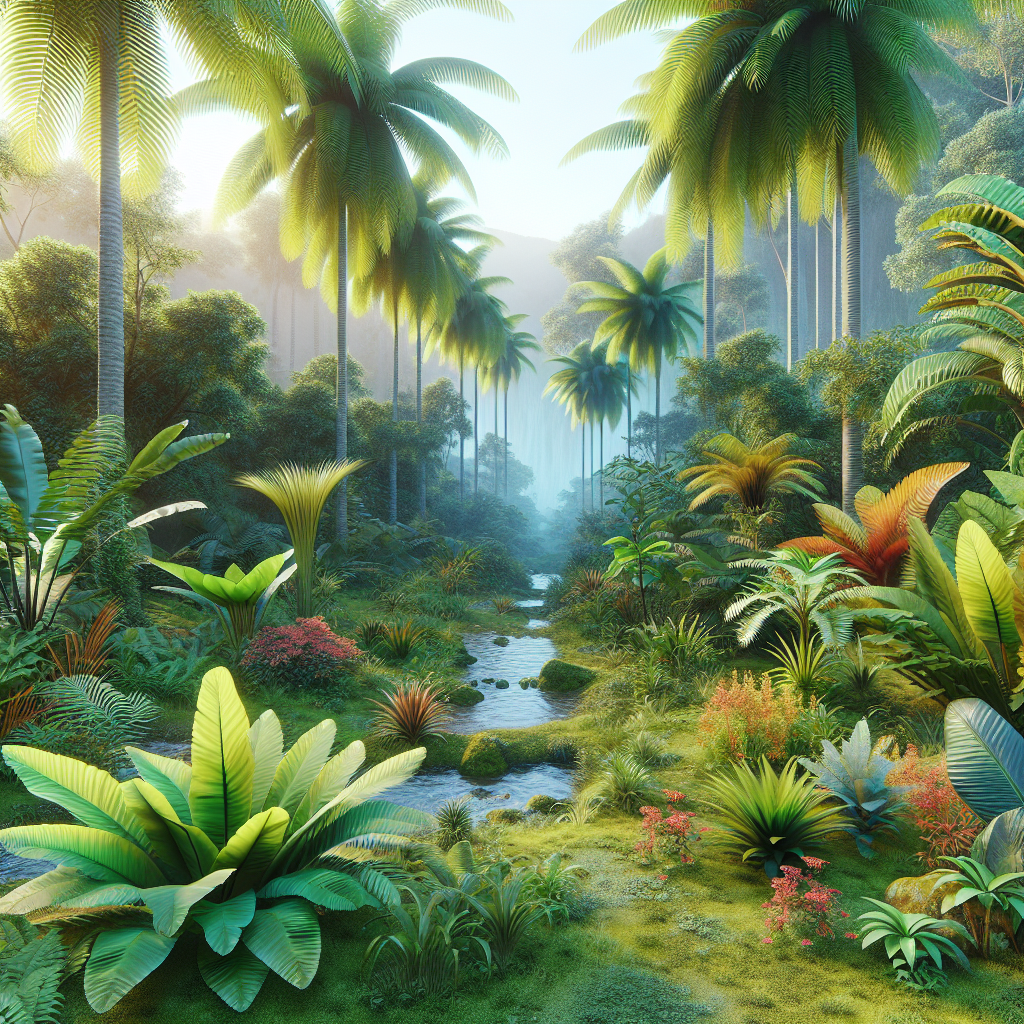
Introduction to Zone 9b
Before we dive into the lush world of tropical plants suitable for Zone 9b, it’s essential to understand what this zone entails. Zone 9b is characterized by a mild climate where winter temperatures typically remain between 25°F to 30°F. This means that gardeners in this zone can nurture a plethora of tropical and subtropical plants that many believe are too sensitive to frost.
This article will guide you through the hottest tropical plants suited for Zone 9b, their care requirements, and tips for successful gardening. Additionally, we will address frequently asked questions to help both novice and experienced gardeners cultivate a thriving tropical paradise in their backyards.
What Makes Tropical Plants Ideal for Zone 9b?
Tropical plants thrive in warm temperatures, high humidity, and ample rain. Fortunately, Zone 9b offers a climate that can cater to these needs, making it ideal for a vibrant tropical garden. These plants showcase stunning foliage, vibrant blooms, and sometimes even intoxicating fragrances, transforming any garden into a lush oasis.
Climate Considerations
In Zone 9b, the summers are warm to hot, and the growing season extends long enough for various tropical species to flourish. Make sure to consider the following:
-
Frost Dates: The average last frost date in spring is around mid-March, while the first frost typically arrives in late November. This gives gardeners plenty of time to grow tropical plants that may be sensitive to cold.
-
Humidity Levels: While humidity levels can vary, you can create a humid microenvironment for your plants through methods like misting, incorporating a pebble tray, and planting moisture-loving species.
-
Rainfall: Regular watering is essential, but tropical plants often thrive during the rainy season. Utilizing mulch can help retain moisture in the soil.
The Top Tropical Plants for Zone 9b
1. Bird of Paradise (Strelitzia reginae)
Characteristics:
- Height: 3-5 feet tall
- Flowers: Orange and blue blooms resemble a bird in flight.
- Foliage: Large, banana-like leaves that can reach up to 18 inches long.
Care:
- Sunlight: Full sun to partial shade.
- Watering: Keep the soil consistently moist but not waterlogged. Water regularly during hot months.
- Soil: Well-draining loamy soil enriched with organic matter.
Why Choose Bird of Paradise?
This plant not only creates a tropical ambiance with its striking flowers and foliage, but it also attracts pollinators like hummingbirds, enhancing your garden’s biodiversity.
2. Hibiscus (Hibiscus rosa-sinensis)
Characteristics:
- Height: 4-8 feet, depending on the variety.
- Flowers: Large, showy blooms in shades ranging from red to yellow.
- Foliage: Glossy leaves that provide an attractive backdrop.
Care:
- Sunlight: Full sun to part shade.
- Watering: Keep the soil consistently moist, especially during the flowering season.
- Soil: Prefers loamy, well-drained soil rich in nutrients.
Why Choose Hibiscus?
Hibiscus plants are great for adding a tropical touch and produce abundant flowers, providing color throughout the growing season.
3. Banana Plant (Musa spp.)
Characteristics:
- Height: 6-30 feet, depending on the variety.
- Fruit: Produces edible bananas.
- Foliage: Large, paddled leaves that can grow 2-3 feet long.
Care:
- Sunlight: Full sun.
- Watering: Needs regular watering, especially during dry spells; mulch can help retain moisture.
- Soil: Thrives in fertile, well-draining soil rich in organic matter.
Why Choose Banana Plants?
Aside from their striking appearance, banana plants can produce your own fruit. They’re fast-growing and make for an exotic landscape feature.
4. Bougainvillea (Bougainvillea spp.)
Characteristics:
- Height: Varies from 1-30 feet, depending on the growth habit.
- Flowers: Not actually flowers, the bracts come in vivid colors like pink, purple, and orange.
- Foliage: Rich green leaves provide a beautiful backdrop for the colorful bracts.
Care:
- Sunlight: Full sun is essential for prolific blooming.
- Watering: Drought-tolerant once established, requires regular watering in the first growing season.
- Soil: Well-drained soil; avoid heavy clay.
Why Choose Bougainvillea?
This beautiful climber or shrub will bring vibrant colors and can cover walls and fences, creating a stunning visual effect.
5. Passion Flower (Passiflora spp.)
Characteristics:
- Height: Vines can grow up to 30 feet.
- Flowers: Unique, exotic blooms that can have an incredible fragrance.
- Foliage: Lobed leaves that can grow over large areas.
Care:
- Sunlight: Full sun for best flowering but can tolerate partial shade.
- Watering: Moderate watering; not drought-tolerant but avoid waterlogging.
- Soil: Well-drained loamy soil enriched with organic matter.
Why Choose Passion Flower?
Beyond its unique flowers, many species produce edible fruit. It’s also great for attracting pollinators like bees and butterflies.
6. Fiddle Leaf Fig (Ficus lyrata)
Characteristics:
- Height: Can reach up to 6 feet indoors and 10-15 feet outdoors.
- Foliage: Large, glossy, violin-shaped leaves that can grow to be quite imposing.
Care:
- Sunlight: Prefers bright, indirect sunlight.
- Watering: Allow the topsoil to dry before watering; avoid overwatering.
- Soil: Well-draining potting mix with good aeration.
Why Choose Fiddle Leaf Fig?
They provide a bold foliage statement and can be used as both indoor and outdoor plants in Zone 9b.
Frequently Asked Questions
1. What are the best methods for overwintering tropical plants in Zone 9b?
Overwintering tropical plants can involve several strategies:
- Microclimates: Create microclimates around your plants using windbreaks or frost cloths.
- Containerizing: Some plants may thrive in containers, allowing you to bring them indoors when temperatures drop.
- Mulching: Use mulch to protect their root systems if left in the ground.
2. Are there any pest issues with tropical plants in Zone 9b?
Yes, common pests include aphids, spider mites, and mealybugs. Regular inspections, neem oil treatments, and keeping plants healthy will help mitigate pest issues.
3. Do tropical plants require special fertilizers?
While tropical plants do benefit from regular fertilization during their growing season, a balanced fertilizer should suffice. Organic options like compost or fish emulsion are excellent choices.
4. Can I grow tropical plants in pots?
Absolutely! Many tropical plants thrive in pots and containers. Ensure the pots have adequate drainage holes and use a quality potting mix. Regular watering and fertilization are important in a contained environment.
5. What are some companion plants for a tropical garden in Zone 9b?
Consider integrating:
- Lantana: Drought-tolerant and attracts pollinators.
- Palms: They provide height and an additional tropical feel.
- Ferns: They thrive in the shady parts of the garden and provide lush greenery.
6. How often should I water tropical plants?
Generally, tropical plants prefer consistently moist soil. Watering should be adjusted based on the season and environment. Monitor your plants regularly to prevent drought stress or overwatering.
7. How can I achieve the best drainage in my tropical garden?
To promote drainage:
- Raised Beds: Use raised beds for your tropical plants.
- Soil Mix: Incorporate perlite or sand to improve drainage.
- Mulching: A layer of mulch can help regulate moisture levels and prevent root rot.
8. What is the best time to prune tropical plants?
The best time to prune is usually late winter to early spring, just before the growing season, to encourage new growth. However, deadheading after blooms will prolong flowering seasons.
9. Should I consider planting native species alongside my tropical plants?
Yes! Native species can complement tropical landscapes while offering benefits like attracting local pollinators and promoting biodiversity. Additionally, native plants may require less maintenance and are better adapted to local soil and climate conditions.
Creating Your Tropical Paradise
With careful planning, you can create a tropical haven right in your backyard. Here are some strategies to achieve that:
-
Layering: Use layers of plants to create depth in your garden. Taller plants, like banana trees, can offer a backdrop for mid-height plants like hibiscus, while ground covers can fill in the base.
-
Color Coordination: Choose plants with complementary colors to create visual interest. Use the golden hues of bougainvillea alongside the vibrant pinks and purples of hibiscus blooms.
-
Textural Variety: Combine plants with different textures (like the broad leaves of banana plants and the delicate foliage of passion flowers) to create contrast.
-
Water Features: Adding a small pond or fountain can provide a serene focal point, enhance humidity, and attract wildlife.
-
Pathways and Seating Areas: Design pathways using bricks or stones, leading to seating areas where one can relax amidst the tropical splendor.
Conclusion
Gardening in Zone 9b offers endless possibilities for cultivating lush, vibrant tropical plants. By selecting the right species and providing them with proper care, you can create a stunning tropical paradise. With knowledge, creativity, and a bit of effort, you can transform your outdoor space into a colorful, fragrant oasis bursting with life.
Happy gardening!