
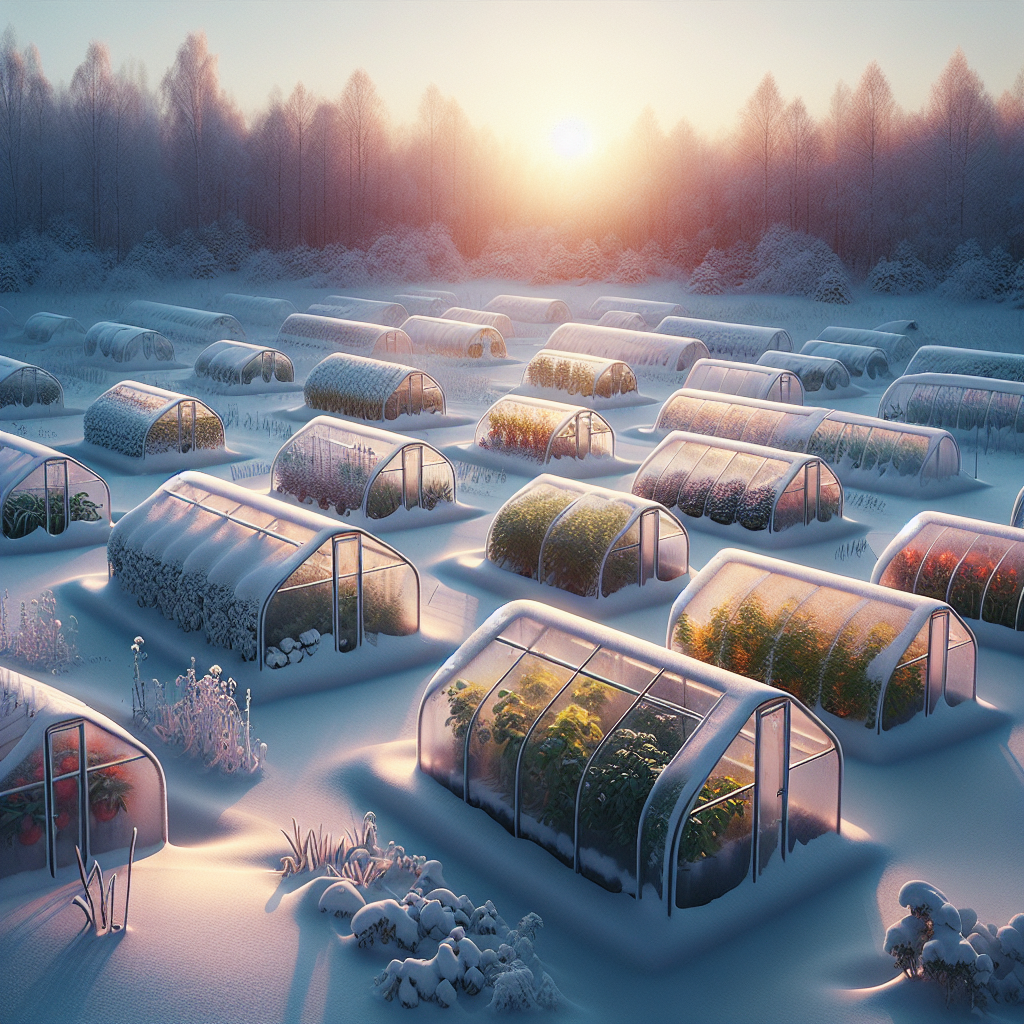
As winter casts its frosty spell across the landscape, most gardeners stow their tools and dream of the blooms and bounties of warmer seasons. However, there exists a secret passage to continued gardening: the cold frame. This innovative method can extend your gardening season into the frigid months, allowing you to cultivate fresh produce, herbs, and even flowers when the world outside is cloaked in winter white. In this comprehensive piece, we will explore the concept of cold frame winter gardening, address common questions, and provide practical tips for successfully growing a lush winter garden.
What is a Cold Frame?
A cold frame is a bottomless greenhouse, equipped with a transparent lid, designed to keep the interior warm and protect plants from harsh winter elements. It uses passive solar energy by trapping heat from the sun during the day and maintaining a higher temperature than the surrounding air at night. These structures can be as simple as wooden frames with a glass top or as sophisticated as purpose-built greenhouses.
How Does a Cold Frame Work?
The mechanics of a cold frame are fascinating. During sunny days, sunlight enters through the transparent cover, warming the air and soil inside. The warmth is retained even after the sun sets, as the glass or plastic top acts as insulation.
Temperature Regulation:
-
Daytime Warmth: The temperature inside a cold frame can be significantly higher than outside. On sunny winter days, the temperature can rise by 20 to 30 degrees Fahrenheit (11 to 17 degrees Celsius).
-
Nighttime Cooling: At night, temperatures may drop, but the internal temperature generally remains higher than the outside air, providing a buffer against frost.
Why Garden in Winter?
You may wonder: why bother gardening in winter when it’s so easy to wait for spring? Here are several compelling reasons:
-
Extended Growing Season: Cold frames can allow for earlier planting in spring and a longer harvest season in fall and winter.
-
Fresh Produce: Enjoy fresh greens, herbs, and root vegetables when they are most scarce in supermarkets.
-
Pest Reduction: Many pests that plague gardens in spring and summer hibernate in the winter, making it easier to cultivate your plants without the need for chemical pesticides.
-
Soil Health: Winter gardening can contribute to nutrient cycling in your soil, reducing the need for fertilizers in warmer months.
-
Education and Enjoyment: For enthusiasts, winter gardening provides a unique opportunity to learn about plant behavior and engage with nature during a quieter season.
Getting Started: Setting Up Your Cold Frame
Choosing the Right Location
To make the most of your cold frame, positioning is key:
- Sun Exposure: Choose a location that receives full sun (6 hours per day) to maximize solar gain.
- Shelter from Wind: Placing the cold frame near a building or a hedge can protect against strong winds.
Materials Needed
You can build or buy a cold frame, depending on your budget and desire for DIY projects. Here’s a breakdown of commonly used materials:
- Wood: Untreated lumber or reclaimed wood are commonly used to create the frame.
- Glass or Plastic: The lid can be made of glass, plexiglass, or even clear plastic sheeting. Glass provides better insulation but is heavier and more fragile.
- Hinges: Use sturdy hinges to easily lift the lid for ventilation.
Building Your Cold Frame
Starting with a basic rectangular shape is advisable for beginners:
- Construct the Frame: Build a rectangular box without a bottom. The size can vary, but a 3×6-foot frame is easy to manage.
- Add Height: Create a sloped top by ensuring one edge is higher than the other. This slope allows rain to run off and ensures optimal light capture.
- Install the Glazing: Attach the glass or plastic to the top. Ensure the glazing is secure and sealed to maintain warmth.
- Ventilation: Incorporate a way to vent the frame by making one side of the lid hinged, allowing you to adjust the air circulation as needed.
What Can You Grow in a Cold Frame?
Perhaps the most exciting aspect of cold frame gardening is the variety of plants you can grow:
Leafy Greens
-
Lettuce: Quick to germinate and grow, lettuce thrives in cooler temperatures.
-
Spinach: This hardy green is known for its ability to withstand frost, becoming even sweeter after exposure to cold.
-
Kale: Another resilient green, kale can be harvested throughout winter if protected from extreme cold.
Root Vegetables
-
Carrots: Plant seeds in late summer or early fall, and they can be harvested throughout the winter.
-
Beets: Like carrots, beets are robust and can be harvested in winter.
Herbs
-
Parsley: A biennial that can provide fresh leaves in winter if protected.
-
Thyme: Hardy in most climates, this herb can be grown throughout winter.
Flowers
-
Pansies: Brighten up your cold frame with these hardy blooms that can survive the winter.
-
Snapdragons: These can be planted in fall and will bloom beautifully in early spring.
Common Questions About Cold Frame Winter Gardening
How Do I Manage Temperature Inside the Cold Frame?
Monitoring temperature is vital for the health of your plants. Here are some management tips:
-
Thermometers: Installing a thermometer inside your cold frame can help track temperature changes.
-
Opening the Lid: On sunny days, be mindful of overheating. Open the lid to vent excess heat, especially in the afternoon.
-
Closing Up: Be sure to close the lid before sunset to retain warmth for the night.
How Often Should I Water Plants in a Cold Frame?
Watering needs will vary based on temperature and humidity:
-
Check Soil Moisture: Use your finger or a moisture meter to check if the soil is dry. The soil inside a cold frame can dry out faster due to heat build-up.
-
Watering Schedule: Water less frequently in winter than in summer, as cooler temperatures reduce evaporation.
What Are the Challenges of Winter Gardening in a Cold Frame?
While cold frames offer many advantages, challenges may arise:
-
Frost Protection: In extremely cold temperatures, add temperature-grade blankets or bubble wrap at night.
-
Pests and Diseases: While reduced, some issues may persist. Regularly inspect your plants for signs of pests and diseases.
Can I Use a Cold Frame for Seed Starting?
Absolutely! Cold frames can serve as excellent nurseries for seedlings:
-
Timing: Start seeds indoors before transferring them to the cold frame to benefit from a head start on the growing season.
-
Transplanting: Once seedlings are hardy enough, acclimate them to the outdoor conditions by gradually exposing them to the environment.
What Maintenance Does a Cold Frame Require?
Maintaining your cold frame is relatively simple:
-
Cleaning: Regularly clean the glass to maximize light penetration.
-
Checking for Damage: Inspect for cracks, broken hinges, or other issues that might affect its functionality.
-
Seasonal Preparedness: In spring, be ready to transition to more traditional gardening as your cold frame warms up.
Best Practices for Cold Frame Winter Gardening
-
Layering Soil: Consider adding layers to your soil, such as compost and mulch, to create ideal growing conditions.
-
Companion Planting: Plant compatible species together to maximize space and encourage beneficial interactions between plants.
-
Protection: Utilize row covers or other protective materials to safeguard against extreme cold or heavy snowfall.
-
Harvesting: Keep harvesting regularly to promote new growth and prevent overcrowding.
-
Seasonal Transition: As temperatures rise, consider transitioning to spring crops while still utilizing the cold frame for other gardening processes.
Conclusion: A Bounty of Benefits Awaits
Cold frame winter gardening opens a world of possibilities for those willing to embrace the chill. With an understanding of how cold frames function and the best practices for using them, you can enjoy a flourishing garden, complete with greens, herbs, and colorful blooms, even in the depths of winter.
So, as the frost settles upon your garden, remember—your plants are just a cold frame away. With the right materials, location, and care, you can cultivate not just food, but a deeper connection to nature and the joy of gardening year-round. So grab your gloves, and don’t let winter keep you inside; break the ice and dive into the wonderful world of cold frame gardening!