
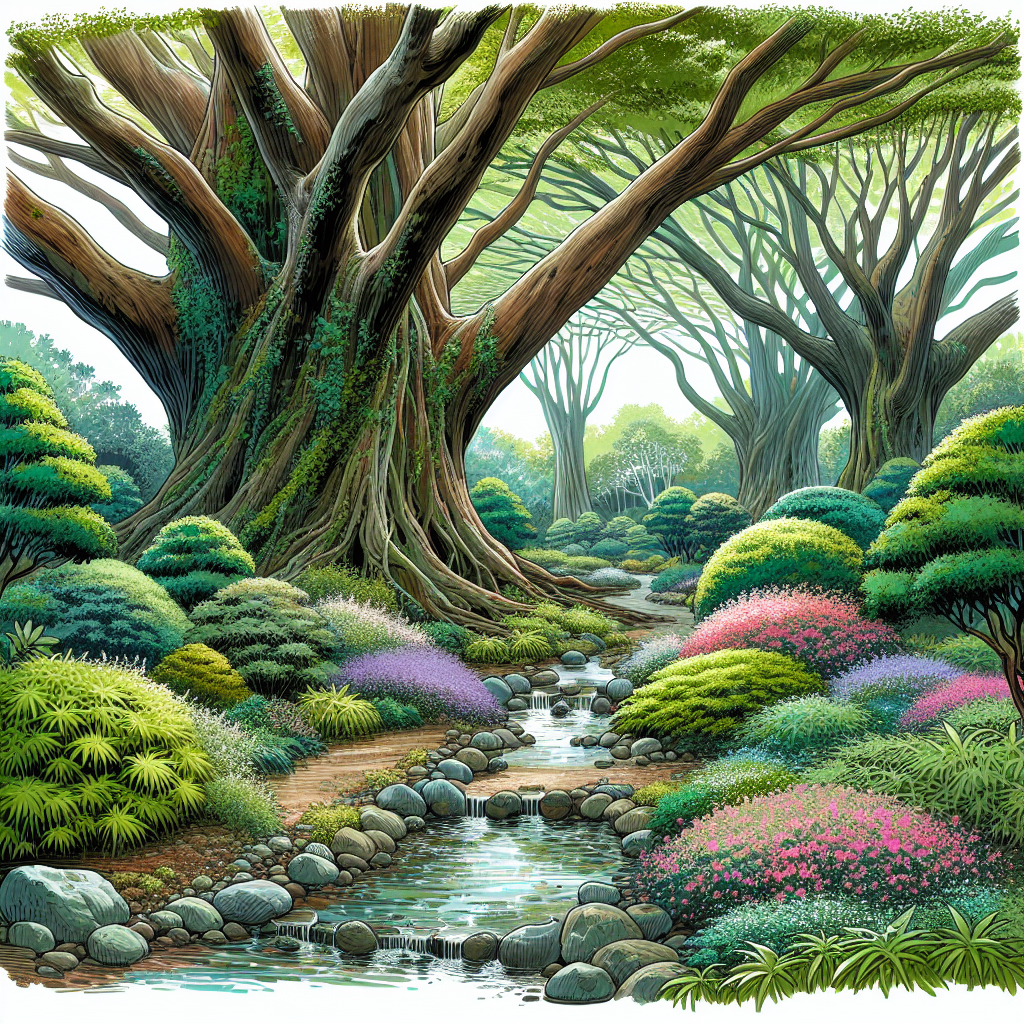
In the lush tapestry of the natural world, large trees stand as monumental guardians—providing shade, beauty, and critical habitats for countless organisms. However, as majestic as they are, the areas beneath and around these towering giants can face significant challenges, particularly when it comes to soil erosion. Enter the rain garden: a sustainable, aesthetically pleasing solution that can mitigate erosion and enhance the ecosystem. This article delves into the intricacies of rain gardens, specifically focusing on their potential to control erosion around large trees, detailing their construction, ecological benefits, and ongoing maintenance.
What is a Rain Garden?
A rain garden is a specially designed garden that captures and absorbs rainwater runoff from impervious surfaces like roofs, driveways, and sidewalks. Unlike conventional gardens, rain gardens boast a shallow depression filled with native plants and soil that facilitate the absorption of rainwater while promoting groundwater recharge. This design not only controls erosion but also enhances water quality.
Why are Rain Gardens Essential for Erosion Control?
Soil erosion occurs when wind or water washes away the topsoil, the most fertile layer of soil that contains essential nutrients for plants. Under large trees, this erosion can be exacerbated by several factors:
- Compacted soil: Root systems can compact the soil, making it less permeable to water.
- Canopy cover: While tree foliage provides shade, it can also impede water absorption by redirecting rainwater away from the roots.
- Runoff: Impervious surfaces around the tree can lead to increased runoff, causing soil to wash away.
A rain garden can help mitigate these effects by allowing rainwater to be absorbed and filtered in situ, thereby reducing the force of runoff and anchoring the soil.
How Does a Rain Garden Work?
Understanding how rain gardens function is key to appreciating their significance in preventing soil erosion around large trees. Here’s a breakdown:
-
Design and Location: Rain gardens are typically located in areas where water tends to pool after rainfall. The garden should be positioned at least 10 feet away from the tree to avoid root disturbance.
-
Soil Amendment: The soil in a rain garden is specially amended with organic matter. This enhances its capacity to absorb water, allows for improved drainage, and fosters healthy microbiological activity conducive to plant growth.
-
Native Plants: Utilizing native plants is crucial as they are adapted to local conditions and require less maintenance. Their deep root systems help stabilize soil and absorb water effectively.
-
Infiltration and Filtration: When rainwater enters the garden, it infiltrates the soil, removing pollutants in the process. This filtration not only improves water quality but also reduces the volume and speed of runoff.
-
Water Management: A properly designed rain garden can handle a significant volume of water, effectively managing runoff through its porous medium.
The Ecological and Aesthetic Benefits of Rain Gardens
Beyond their primary function, rain gardens have numerous ecological and aesthetic advantages:
-
Biodiversity: By providing a habitat for insects, birds, and other wildlife, rain gardens contribute to local biodiversity. This ecosystem service can help pollinate nearby plants, including your beloved trees.
-
Water Quality: Rain gardens filter out pollutants such as heavy metals, oils, and fertilizers before the water reaches local waterways, contributing to healthier ecosystems.
-
Aesthetic Appeal: When designed thoughtfully, rain gardens can complement the surrounding landscape. Through the use of colorful, perennial plants, they create eye-catching spaces that enhance property value and enjoyment.
-
Community Engagement: Rain gardens promote environmental stewardship. They can serve as educational platforms for local communities, offering opportunities for children and adults to learn about water conservation and ecological responsibility.
Designing a Rain Garden Under a Large Tree
Planning and Site Assessment
Before installing a rain garden, it’s essential to evaluate the site thoroughly:
-
Drainage Patterns: Observe how water naturally drains in your yard during rainfall. Identify the area where water tends to pool.
-
Soil Quality: Conduct a soil test to determine texture and drainage capabilities. You may need to amend compacted soils with organic matter.
-
Sun and Shade: Note the sun patterns around your tree. This will dictate the types of plants that will thrive in your rain garden.
Size and Shape
The size of your rain garden should be proportional to the area of impervious surfaces that will drain into it. Generally, a rain garden should be about 20% of the area draining into it. For functional aesthetics, a natural, curvilinear shape often blends better with the environment than rigid geometric forms.
Plant Selection
Choosing the right plants is critical. Opt for a combination of deep-rooted perennials, grasses, and ground covers that can withstand both wet and dry conditions:
-
Deep-rooted plants: Species such as native grasses or wildflowers have extensive root systems that help hold the soil in place.
-
Ground covers: Plants like creeping thyme or sedum can help reduce surface erosion by holding the soil together.
-
Trees and bushes: Small understory trees or shrubs can provide added stability and visual interest.
Soil Composition
The ideal rain garden soil mix consists of:
- 50% sandy loam
- 30% compost or organic matter
- 20% gravel or stone to facilitate drainage
This mix promotes infiltration while providing essential nutrients for plant growth.
Maintenance of Rain Gardens
Watering Needs
Immediately after installation, ensure that the plants receive adequate moisture, especially during dry spells. Once established, most native plants require minimal watering.
Weeding and Mulching
Regular weeding is essential to prevent invasive species from outcompeting desired plants. Mulching helps retain moisture, suppress weeds, and enhance soil quality as it decomposes.
Monitoring Soil Erosion
Periodically check the soil around the rain garden and tree roots. If you notice excessive erosion or transfer of soil into the garden, consider adjusting the garden design or adding additional plants to reinforce the area.
Frequently Asked Questions (FAQs)
Can a rain garden be installed near existing large trees?
Yes, rain gardens can be installed near large trees. However, ensure the garden is at least 10 feet away to avoid soil disturbance affecting the roots. The garden can also help manage the water that collects near the tree, improving overall health.
What kind of maintenance is required for rain gardens?
Rain gardens typically require less maintenance than conventional gardens because they are designed with native plants that are adapted to local conditions. Regular tasks include monitoring plant growth, weeding, and occasional mulching.
Will a rain garden attract pests?
While rain gardens may attract beneficial insects such as butterflies and bees, they can also attract pests. However, the key is to incorporate native plants that support a balanced ecosystem, naturally keeping pest populations in check.
Can I use rain gardens to filter water from my driveway?
Absolutely! Rain gardens can effectively filter water runoff from driveways and other impervious surfaces. Just ensure the garden is strategically located to capture this water without overwhelming it.
What happens if it rains too much?
Well-designed rain gardens can handle substantial rainfall due to their infiltration capacities. However, if excessive water accumulates, it may drain slowly. Ensure you have a proper overflow method to direct excess water safely.
Is it possible to customize the design of a rain garden?
Yes! Rain gardens are highly customizable. You can choose different plants, sizes, and shapes to suit your landscape and aesthetic preferences. Engaging a landscape designer specializing in sustainable gardens can yield rewarding results.
Conclusion: A Harmonious Solution for a Greener World
Building a rain garden under a large tree is an investment not only in aesthetic beauty but also in environmental health and resilience. As we’ve explored, rain gardens play a crucial role in controlling erosion, nurturing biodiversity, and improving water quality. When thoughtfully designed and maintained, they can transform your landscape into an ecological oasis and serve as a testament to the harmonious coexistence of nature and human efforts.
In today’s world, where the impacts of climate change are becoming increasingly apparent, small actions can lead to significant changes. Embracing solutions like rain gardens empowers individuals to take a proactive role in preserving the environment—one garden at a time. From the rustling leaves of a sturdy oak to the vibrant blossoms of native wildflowers, every rain garden tells a story of resilience and transformation, making our shared spaces healthier and more beautiful. So, let’s embrace the magic of rain gardens as effective tools for controlling erosion around large trees, and in doing so, ensure that we respect and nurture the natural world around us.