
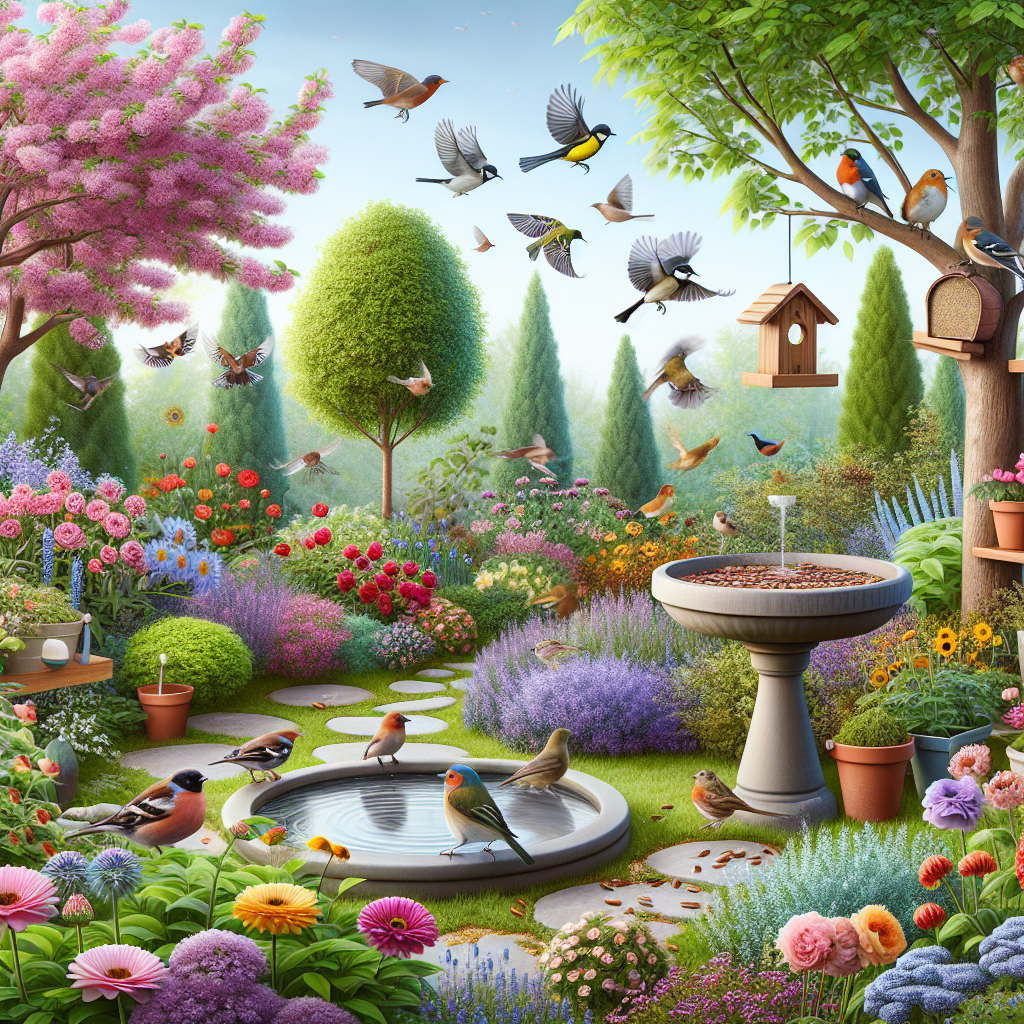
Creating a vibrant and diverse garden is a dream for many nature enthusiasts. One of the most fulfilling ways to enhance your garden’s ecosystem is by attracting native birds. Not only do these avian visitors bring life and color to your outdoor spaces, but they also play essential roles in pollination and pest control. This article will explore detailed strategies to attract native birds to your garden, answering common questions and equipping you with knowledge to create a feathered paradise.
Understanding Native Birds
What Are Native Birds?
Native birds are species that are naturally found in your specific region, having adapted to the local ecosystem over thousands of years. These birds are not just unique to an area; they are integral to the local biodiversity and contribute to the balance of the ecosystem.
Why Attract Native Birds?
- Biodiversity: Supporting local bird species helps maintain a balanced ecosystem.
- Pest Control: Many native birds feed on insects and help control pests naturally.
- Pollination: Some birds, like hummingbirds, are excellent pollinators.
- Educational Opportunities: Observing native birds can be a great way for families to engage in nature and learn about local wildlife.
How to Create a Bird-Friendly Garden
1. Provide Food Sources
What Do Native Birds Eat?
The diet of native birds varies by species. Common food sources include:
- Seeds: Sunflower seeds, millet, and thistle seeds attract a variety of birds.
- Fruits: Native berry-producing plants like elderberry and hawthorn are favorites of many species.
- Nectar: Hummingbirds are attracted to nectar-rich flowers like bee balm and trumpet vine.
- Insects: Establish a healthy ecosystem that supports a variety of beneficial insects, providing a natural food source.
What Should I Plant?
Choose plants that produce food at different times throughout the year for year-round bird interest. Consider including:
- Sunflowers (Helianthus spp.): Great for various finches.
- Cornelian Cherry (Cornus mas): Offers berries in late winter.
- Milkweed (Asclepias spp.): Attracts insects and butterflies, which are food for birds.
2. Create Water Sources
Why is Water Important?
Freshwater is critical for birds, especially in hot climates or during dry seasons. Birds need water for drinking and bathing, which helps keep their feathers clean.
How Can I Provide Water?
- Birdbaths: A shallow dish filled with fresh water will attract birds. Ensure it’s cleaned and replenished regularly.
- Water Features: Ponds, waterfalls, or even small fountains provide water and create a soothing environment.
3. Offer Shelter and Nesting Sites
What Kind of Shelter Do Birds Need?
Native birds require safe places to rest, hide from predators, and nest. To provide suitable habitats:
- Deciduous Trees: Oaks, maples, and willows offer shelter and nesting spots.
- Shrubs: Dense shrubs like elderberry or viburnum provide cover and nest sites.
- Nesting Boxes: Install birdhouses designed for specific native bird species in your area.
4. Choose the Right Garden Design
How Should I Design My Garden?
A diverse landscape is more appealing to birds. Consider these design elements:
- Layering: Create layers of vegetation, from tall trees to smaller shrubs to ground cover. This structure mimics natural ecosystems.
- Wildflower Zones: Incorporate native wildflowers to attract seeds-eating birds and provide habitats for insects.
- Naturalistic Layout: Avoid rigid geometric shapes; use natural curves and group plants in clusters to create a more welcoming environment.
Seasonal Considerations
How Do Bird Needs Change Throughout the Year?
Understanding how birds’ needs change with the seasons can help you provide essential resources year-round.
- Spring: Birds need food sources for nesting. Plant early-flowering native plants and have nesting boxes ready.
- Summer: Provide ample water sources. Fruit-bearing plants attract various species.
- Autumn: Ensure seeds and berries are available as birds prepare for migration.
- Winter: Keep feeders stocked with high-energy foods like suet and black-oil sunflower seeds .
Creating a Chemical-Free Sanctuary
Why Is It Important to Avoid Chemicals?
Chemical pesticides and herbicides harm not only target insects but also beneficial ones that birds rely on for food. A healthy garden avoids these chemicals. Instead:
- Use Organic Methods: Implement natural pest control methods like companion planting and beneficial insects.
- Embrace Biodiversity: Cultivate a mix of plants to attract a variety of predators that naturally keep pest populations in check.
Attracting Specific Native Bird Species
Which Birds Can I Attract?
Bluebirds
Environment: Grassy fields, open woodlands.
Tips: Install bluebird houses and provide mealworms.
Hummingbirds
Environment: Cottage gardens and floral landscapes.
Tips: Plant trumpet vine and bee balm; clean nectar feeders regularly.
Goldfinches
Environment: Open areas with thistles and sunflowers.
Tips: Offer thistle feeders, and let some flowers go to seed.
Cardinals
Environment: Shrubby areas and woodland edges.
Tips: Plant dense shrubs and provide sunflower seeds and fruit sources.
Common Questions About Attracting Native Birds
How Long Will It Take for Birds to Start Visiting My Garden?
Attracting birds can take time. It may take a few weeks for them to notice the changes in your garden. Consistency in providing food, water, and habitat is key.
Will Feeding Birds Make Them Dependent?
Feeding birds does not make them dependent. They will continue to forage for natural food sources. Just ensure that feeders and water sources are consistently available.
Is It Better to Use Bird Feeders or Plant Native Plants?
Both options are beneficial. Bird feeders can attract birds quickly, but native plants provide a more sustainable food source. A combination of both is ideal.
How Can I Get My Kids Involved?
Encourage children to help with planting, creating birdhouses, and maintaining feeders. Consider starting a birdwatching journal where they can document visits and species.
The Joy of Birdwatching
Why is Birdwatching Beneficial?
Birdwatching promotes a connection with nature, reduces stress, and enhances mental well-being. It can also foster community engagement, as many birding clubs and local societies welcome newcomers to share in the joy.
Tips for Successful Birdwatching
- Be Patient: Spend time quietly observing your garden.
- Use Binoculars: A pair of binoculars lets you see details up close without disturbing the birds.
- Keep a Field Guide: A bird field guide can help you identify species and learn about their behaviors and habitats.
Conclusion
Transforming your garden into a native bird haven is not only a rewarding endeavor but also a crucial contribution to your local ecosystem. By providing food, water, shelter, and a natural environment, you can attract a diverse array of bird species while fostering an appreciation for the natural world among your family and friends. With patience and care, your garden can become a paradise for native birds, offering them sanctuary and providing you with endless joy. So grab your gardening tools, pick up some seeds, and prepare to welcome your feathered friends in a vibrant, thriving habitat.