
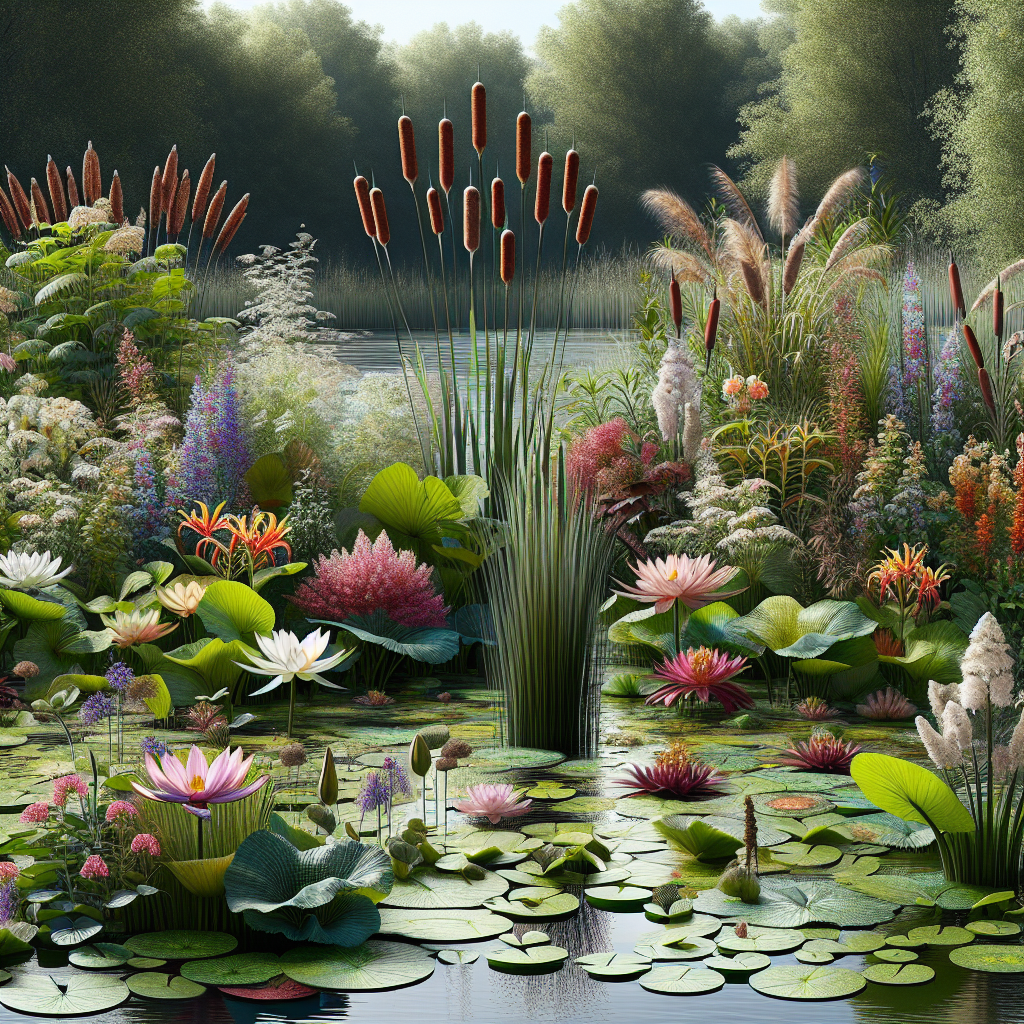
Water gardens are captivating, serene environments that mimic the beauty of nature. Among the lush foliage and shimmering waters, one particularly fascinating aspect of these gardens is the inclusion of bog plants. Not only do they enhance the aesthetics, but they also play a pivotal role in the ecosystem of a water garden. This article delves into the world of water garden bog plants, offering a thorough exploration of their types, benefits, care, and frequently asked questions.
Understanding Bog Plants
What Are Bog Plants?
Bog plants are specialized flora that thrive in wet, waterlogged environments. Unlike true aquatic plants that are submerged in water, bog plants are typically found in the shallow areas of ponds, marshes, and wetlands. They prefer nutrient-rich, acidic soils, often characterized by high organic matter and low oxygen levels.
Why Choose Bog Plants?
-
Ecological Benefits:
- Water Filtration: Bog plants contribute to water purification by absorbing excess nutrients and toxins.
- Habitat Creation: They provide shelter for various wildlife, including amphibians, insects, and birds, creating a balanced ecosystem.
- Carbon Sequestration: These plants help sequester carbon, mitigating climate change effects.
-
Aesthetic Appeal:
- The diversity of textures, colors, shapes, and sizes among bog plants adds visual interest to water gardens.
- Seasonal changes in foliage or flowering create a dynamic landscape.
-
Ease of Care:
- Many bog plants require minimal maintenance once established, making them a practical choice for gardeners.
Types of Water Garden Bog Plants
1. Sedges and Grasses
- Carex spp. (Sedges): These hardy plants thrive in waterlogged soils and provide a grassy appearance, creating an elegant backdrop in your garden.
- Juncus spp. (Rushes): Known for their architectural form, rushes stand tall and straight, adding vertical elements to your water garden.
2. Wildflowers
- Caltha palustris (Marsh Marigold): Its vibrant yellow flowers are one of the earliest bloomers in spring, providing bright splashes of color.
- Lobelia siphilitica (Great Blue Lobelia): This perennial offers beautiful blue blooms in late summer, attracting pollinators like bees and butterflies.
3. Ferns
- Osmunda regalis (Royal Fern): One of the few ferns that can thrive in wet areas, its fronds create a lush, layered look.
- Onoclea sensibilis (Sensitive Fern): This plant adapts well to moist, shady areas, bringing a soft textural element to your garden.
4. Shrubs and Small Trees
- Ilex verticillata (Winterberry): A deciduous holly that produces bright red berries in the winter, offering both beauty and food for birds.
- Cornus sericea (Red Osier Dogwood): This shrub provides striking red stems in winter, making it a great visual feature in any garden.
5. Aquatic Plants
- Pontederia cordata (Pickerel Weed): Known for its heart-shaped leaves and purple flower spikes, it thrives in shallow waters.
- Thalia geniculata (Giant Water Canna): With tall, stately growth and broad leaves, it provides a dramatic presence in any water garden.
Setting Up a Bog Plant Area
What Are the Steps to Create a Bog Garden?
- Location Selection: Choose a shady or partially sunny area that receives consistent moisture.
- Preparation: Dig a hole approximately 12-24 inches deep, depending on your plant selection.
- Soil Mix: Use a mix of sand, peat moss, and compost to facilitate good drainage while retaining moisture.
- Plant Selection: Choose a variety of bog plants considering their height, bloom time, and foliage color for a visually appealing display.
- Planting: Set the plants in the prepared soil, ensuring to leave space between them for growth and airflow.
- Watering: After planting, water thoroughly and maintain consistent moisture levels as the plants establish.
Caring for Your Bog Plants
What Maintenance Do Bog Plants Require?
- Watering: Keep the soil consistently moist, especially during dry spells. However, avoid overwatering as it may drown roots.
- Mulching: Use natural mulches like bark or leaves to retain moisture and suppress weeds.
- Fertilization: Light fertilization in spring can support healthy growth, but many bog plants often thrive on naturally occurring nutrients.
- Weeding: Regularly check for unwanted plants and remove them to prevent competition with your bog plants.
- Pruning: Deadhead spent flowers to promote continued blooming and prune dead or damaged foliage to maintain plant health.
Frequently Asked Questions
What Are the Best Bog Plants for Beginners?
Starting with easy-to-grow plants is wise for novice gardeners. Here are a few recommendations:
- Marsh Marigold: Hardy and vibrant, it adapts well to various moisture conditions.
- Pickerel Weed: An absolute favorite, easy to care for, and it attracts wildlife.
- Blue Flag Iris: Beautiful and resilient, ideal for adding color and structure.
How Do Bog Plants Contribute to Water Quality?
Bog plants enhance water quality through their ability to absorb excess nutrients, especially nitrogen and phosphorus. In doing so, they help prevent algae blooms, providing a healthier environment for fish and other aquatic life.
Can Bog Plants Survive Through Winter?
Many bog plants are perennials, meaning they can survive winter conditions. While some may die back, others have adaptations allowing them to withstand frost. Be sure to research specific varieties for hardiness in your region.
Are Bog Plants Suitable for Container Gardens?
Yes, many bog plants do well in containers, provided they have enough moisture. Containers should ideally be positioned in a location that remains consistently wet. Consider using a water feature or placing them in shallow dishes to maintain humidity.
How Can I Attract Wildlife to My Water Garden?
- Diverse Planting: Include a variety of flowering and structural plants that provide food and shelter for birds, bees, and butterflies.
- Water Sources: Ensure there’s standing water for birds to drink and bathe in.
- Leave Some Undisturbed Areas: Allow natural growth and areas for wildlife to find shelter.
What Are Some Common Pests or Diseases I Should Watch For?
While bog plants generally have fewer pests than traditional gardens, keeping an eye out for:
- Aphids: Small, green insects that may cluster on young shoots.
- Slugs: Common in damp environments; they can cause damage to soft foliage.
- Powdery Mildew: A fungal disease that can affect many plants under the right conditions.
Can I Incorporate Fish into My Water Garden with Bog Plants?
Yes, many bog plants and fish coexist harmoniously. The plants provide shade and shelter for the fish, while fish can control certain algae populations and help keep the ecosystem balanced. Ensure the fish species is suitable for your pond’s size and environment.
Creating a Harmonious Ecosystem
How Do Bog Plants Fit into the Larger Ecosystem?
Bog plants play an essential role in a water garden ecosystem. They not only improve water quality but serve as a habitat for various organisms. The interdependence created by these plants, insects, birds, and aquatic life results in a thriving ecosystem that fosters biodiversity.
Promoting Biodiversity with Bog Plants
- Plant Diversity: Having a range of bog plants can attract wider varieties of wildlife.
- Companion Planting: Some bog plants can benefit each other, such as planting marsh marigold near insect-attracting plants.
- Pollinator Support: Choose flowering bog plants that provide nectar and pollen to support local pollinators.
Final Thoughts
Creating a water garden rich in bog plants offers not only stunning scenery but also a pathway to an ecological sanctuary. The diverse variety of colors, shapes, and textures can transform your outdoor space into a vibrant ecosystem that attracts a multitude of wildlife. Understanding how to care for these plants and knowing their role in the ecosystem will deepen your appreciation for these unique flora.
With careful planning and thoughtful selection, your water garden can become a testament to nature’s beauty, a refuge for wildlife, and a source of tranquility for all who encounter it. Embrace the allure of bog plants, and watch as your water garden flourishes into a place of serenity and life.