
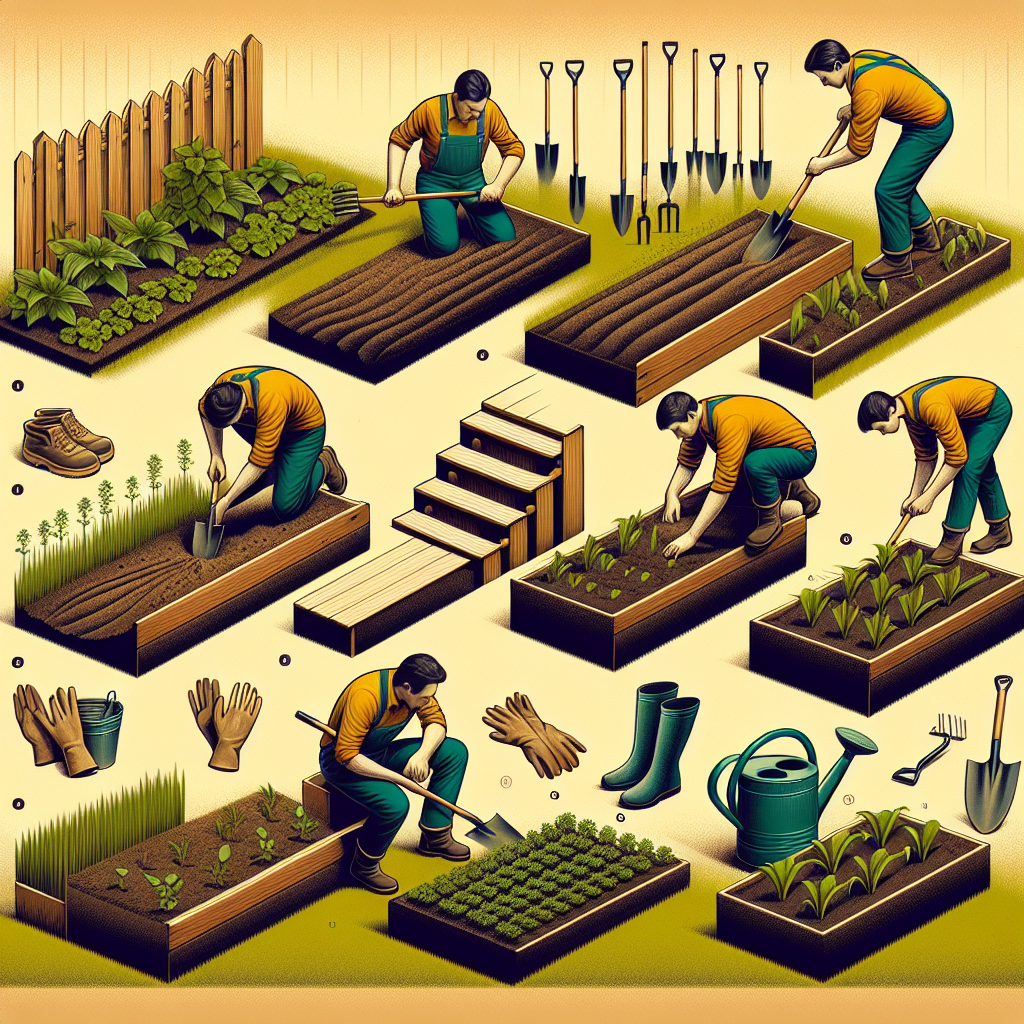
Creating a new garden bed can be an exciting and rewarding endeavor. Whether you are a seasoned gardener or just stepping into the world of horticulture, preparing a new garden bed sets the groundwork for a fruitful and aesthetically pleasing outdoor space. This article will guide you through the process, addressing common questions and detailing every step of the preparation phase. From planning to soil amendment, we’ll provide a thorough blueprint to ensure your garden thrives.
Table of Contents
- Understanding Your Space
- Choosing the Right Location
- Assessing Soil Quality
- Planning Your Garden Design
- Gathering Tools and Materials
- Clearing the Area
- Soil Preparation
- Amending the Soil
- Building the Garden Bed
- Planting Your First Seeds or Seedlings
- Ongoing Maintenance
1. Understanding Your Space
Before diving into the physical work of preparing your garden bed, it’s essential to understand your space.
Question: Why is it important to know my gardening zone?
Answer: Knowing your gardening zone helps you understand which plants will thrive in your climate. Different zones have varying temperatures, precipitation levels, and growing seasons. This knowledge informs your choices when selecting plants.
2. Choosing the Right Location
The location of your garden bed is critical to its success.
Factors to Consider:
- Sunlight: Most vegetables and flowering plants require at least 6-8 hours of direct sunlight per day.
- Access to Water: Ensure your location is close to a water source for effortless irrigation.
- Proximity to Structures: Avoid areas too close to large trees or buildings that may cast shade.
Question: Can I have a garden bed in partial shade?
Answer: Yes! Some plants thrive in partial shade. However, you’ll need to select shade-tolerant varieties if full sunlight is not available.
3. Assessing Soil Quality
The vitality of your plants depends heavily on soil quality.
Question: How do I check my soil’s quality?
Answer: Conduct a soil test to analyze pH level, nutrient content, and texture. Home garden centers often offer testing kits, or you can send samples to a local agricultural extension.
4. Planning Your Garden Design
Before you start digging, put some thought into your garden’s layout.
Considerations:
- Size: Determine how much space you have available and how large you want your garden bed to be.
- Plant Types: Decide on annuals vs. perennials, vegetables vs. flowers, and how you want to arrange them.
- Pathways: Ensure there are sufficient pathways for maintenance and harvesting.
Question: How can I utilize vertical gardening?
Answer: Consider trellises, vertical planters, or planting upward, especially in smaller spaces. This maximizes space and creates an appealing visual layer.
5. Gathering Tools and Materials
Ensure you have everything you need before you start.
Essential Tools:
- Gardening spade
- Rake
- Hoe
- Trowel
- Garden fork
- Watering can or hose
- Compost or organic material
- Mulch
Materials:
- Soil amendments (compost, peat moss, etc.)
- Garden stakes (if you plan to install borders)
- Landscape fabric (optional)
6. Clearing the Area
Once you have your design planned and tools ready, begin clearing the area.
Steps:
- Remove Existing Vegetation: Use a spade to cut and remove grass and weeds.
- Discard Debris: Gather rocks, debris, and roots that may hinder plant growth.
- Evaluate Drainage: Check if water collects in low spots, which may indicate drainage issues.
Question: Should I use chemical herbicides to clear the area?
Answer: It’s preferable to use physical methods for clearing the bed to maintain a healthy ecosystem. Chemical herbicides can have lasting negative effects on soil health.
7. Soil Preparation
Soil preparation is arguably one of the most crucial steps in creating a thriving garden bed.
Step-by-Step Guide:
- Loosen the Soil: Use a garden fork to till the soil to a depth of 12-16 inches.
- Break Up Clumps: Ensure that all soil clumps are broken down to create a smooth bed.
- Crumble Large Clods: This promotes good aeration.
8. Amending the Soil
Improving soil health is pivotal for plant growth.
Common Amendments:
- Compost: Adds nutrients and improves soil structure.
- Peat Moss: Enhances water retention in sandy soils and improves drainage in clay soils.
- Perlite or Vermiculite: Increases aeration and drainage capabilities.
Question: How much compost do I need to add?
Answer: Usually, a 2-4 inch layer of compost is recommended for amendments. However, it’s best to follow the guidelines from your soil test results for specific nutrient needs.
9. Building the Garden Bed
Once the soil is prepared, decide if you want a raised garden bed or a traditional in-ground bed.
Building a Raised Garden Bed:
- Choose Material: Common options include wood, metal, or stone.
- Size Dimensions: Typical sizes are 4 feet by 4 feet or 4 feet by 8 feet.
- Assembly: If using wood, ensure edges are securely fastened and elevated for drainage.
Question: What are the advantages of a raised garden bed?
Answer: Raised beds improve drainage, heat the soil faster in spring, provide better control over soil quality, and can reduce issues with pests and weeds.
10. Planting Your First Seeds or Seedlings
With your garden bed ready, it’s time for the exciting part—planting!
Steps for Planting:
- Plan Your Layout: Sketch a plan of where you want each type of plant.
- Follow Spacing Guidelines: Check seed packets for specific spacing and depth for each type of plant.
- Water Immediately After Planting: This helps settle the soil around roots.
Question: What is companion planting, and should I consider it?
Answer: Companion planting involves placing different plants in close proximity for mutual benefits—like pest control and improved pollination. Research compatible plants to enhance your garden’s health.
11. Ongoing Maintenance
Creating a garden bed is just the beginning. Ongoing care ensures your plants thrive.
Regular Tasks Include:
- Watering: Consistent moisture is key, especially during hot, dry spells.
- Weeding: Keep an eye out for unwanted plants that may compete for nutrients.
- Mulching: Apply a layer of mulch to retain moisture and suppress weeds.
- Fertilizing: Depending on your plants, a regular fertilization schedule may be necessary.
Question: How often should I check my garden bed for issues?
Answer: Regular checks weekly are ideal. This allows you to catch any problems like pests, diseases, or nutrient deficiencies early.
Conclusion
Preparing a new garden bed may seem daunting initially, but understanding each step and taking the time to plan and prepare will pay off in a vibrant, productive garden. As you embark on this journey, remember that gardening is not only about growing plants but also about cultivating patience and learning from nature. With the right knowledge and enthusiasm, you’ll create a beautiful garden bed that provides joy and nourishment for years to come.
As you dig into this new project, embrace the journey, enjoy the process, and let your garden grow. Happy gardening!