
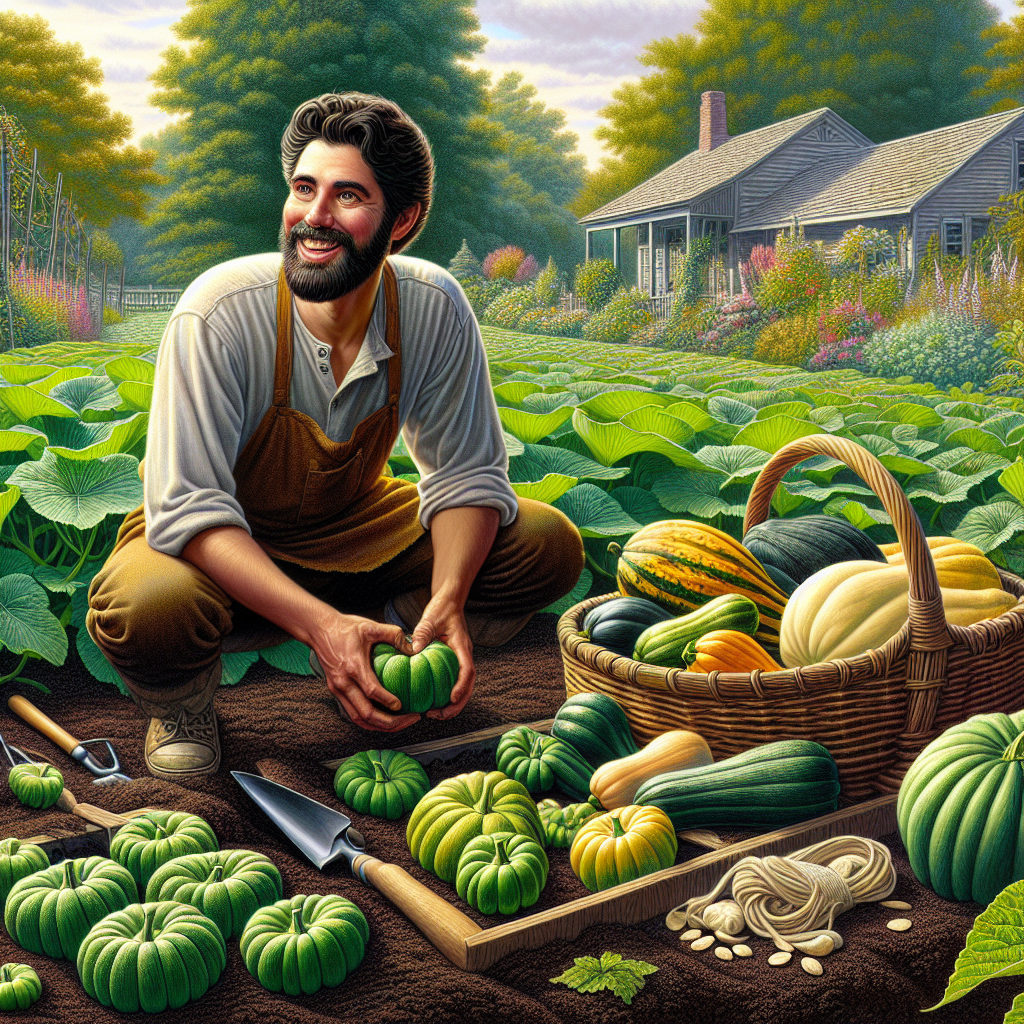
As the sun rises over the rolling hills of Tennessee, seasoned gardeners and enthusiastic novices alike eagerly look forward to the gardening season. Among the many crops that thrive in this vibrant Southern state, squash stands out for its versatility, flavor, and nutritional benefits. This comprehensive article will explore everything you need to know about when to plant squash in Tennessee, answering frequently asked questions and providing invaluable tips for a bountiful harvest.
Understanding Squash Varieties
Before we dive into the specifics of planting squash in Tennessee, it’s essential to understand the various types of squash. Each variety has its unique growing requirements and ideal planting times.
Summer Squash vs. Winter Squash
- Summer Squash: Includes varieties such as zucchini, yellow squash, and pattypan. These are generally quicker to grow, maturing within 40 to 70 days after planting.
- Winter Squash: Includes varieties like butternut, acorn, and pumpkin. These take longer to mature, typically needing 80 to 120 days. They are harvested in the fall and often stored for winter use.
Ideal Growing Conditions
Before planting, it’s crucial to understand the growing conditions squash need for optimal development:
- Soil: Well-draining, loamy soil with a pH between 6.0 to 7.5 is ideal.
- Sunlight: Squash plants thrive in full sunlight; ensure they receive at least 6-8 hours of direct sunlight per day.
- Water: Consistent watering is essential, especially during dry spells. Squash plants need about an inch of water per week.
When to Plant Squash in Tennessee
Frost Dates
Tennessee’s climate varies across its three distinct regions: East, Middle, and West Tennessee. Understanding the average frost dates for these areas is crucial for determining the best time to plant squash.
- East Tennessee: Last frost typically around mid-April.
- Middle Tennessee: Last frost usually occurs in late April.
- West Tennessee: Late April to early May marks the last frost date.
Planting Seasons
With the frost dates in mind, the optimal times for planting squash are:
-
Summer Squash: Directly sow seeds in the ground around the last frost date, typically from late April to early May. For transplants, start seeds indoors about 3-4 weeks prior to the last frost date and transplant after the danger of frost has passed.
-
Winter Squash: Plant seeds in late May to early June, as these varieties require a longer growing season. Like summer squash, you can start seedlings indoors about 4-6 weeks before the last frost date.
Ideal Soil Temperature
The ideal soil temperature for planting squash is between 70°F to 95°F. You can monitor soil temperatures using a soil thermometer. This is crucial because cool soil can inhibit seed germination and stunt growth.
Preparing Your Garden
Choosing a Location
Select a location that receives ample sunlight with good drainage. Avoid low-lying areas where water tends to collect. Squash plants can succumb to root rot in excessively wet conditions.
Soil Preparation
Before planting, prepare your soil by removing any weeds, rocks, and debris. Add organic matter such as compost or well-rotted manure to enrich the soil. Test the soil pH and amend it if necessary to match the ideal range for squash.
Creating Hills or Rows
Squash can be planted in mounds or rows. Mounding helps with drainage and warms the soil. Space the mounds approximately 3-4 feet apart, planting 3-4 seeds in each mound and thinning to the strongest plant once they develop a few leaves.
Frequently Asked Questions About Planting Squash in Tennessee
1. Can I plant squash before the last frost date?
While some gardeners attempt to plant squash early to get a head start, it’s risky. Squash seeds are sensitive to frost and can be damaged by cold soil. If you choose to plant early, be prepared to cover the plants if a cold snap occurs.
2. What if I miss the ideal planting window?
If you miss the late April to early June window, you can still plant squash later in the summer. However, ensure that the variety you choose will have enough time to mature before the first frost, typically late October for most of Tennessee.
3. Should I start squash seeds indoors or direct sow?
Both methods have their advantages. Starting seeds indoors gives you a head start and may lead to earlier harvests, while direct sowing is simpler and mitigates transplant shock. If starting indoors, ensure seedlings are hardened off before planting outside.
4. How do I prevent pests and diseases in my squash plants?
Regularly inspect your plants for pests and diseases. Employ crop rotation and plant companion flowers like marigolds to deter pests. Use organic pesticides only as a last resort.
Watering and Fertilizing Squash
Watering Techniques
Squash plants require consistent moisture. Water deeply once a week, ensuring that the soil remains damp but not waterlogged. During hot, dry spells, increase watering frequency.
Fertilizing Squash
A balanced fertilizer can support healthy growth. Apply a slow-release granular fertilizer at the time of planting and follow up with a liquid fertilizer every few weeks as the plants grow. Be cautious not to over-fertilize, as this can lead to lush foliage at the expense of fruit production.
Harvesting Squash
Indicators of Readiness
Timing your harvest is key to ensuring the best flavor and texture. Here’s how to know when your squash is ready to harvest:
- Summer Squash: Look for a shiny skin and a tender texture. Harvest when they are 6-8 inches long for zucchini and yellow squash, typically a few days to a week after flowering.
- Winter Squash: Harvest when the skin hardens and the color changes—usually a deep, rich hue. The stem should also start browning, indicating it’s time to pick.
Best Practices for Harvesting
Use a sharp knife or pruners to cut the fruit off the vine, leaving a small portion of the stem attached to avoid rot. Handle carefully to prevent bruising.
Troubleshooting Common Issues
Disease Management
Squash plants can suffer from various diseases, including powdery mildew and squash vine borers. Here’s how to cope:
- Powdery Mildew: Ensure proper spacing for air circulation. If infected, treat with organic fungicides or simply remove infected leaves.
- Squash Vine Borer: These pests can be managed by using row covers earlier in the season or by handpicking them. Monitor the plants closely and cut into the stem to manually remove the larvae if necessary.
Pest Management
In addition to aphids, beetles, and squash bugs, companion planting can be effective in deterring pests that bother squash. Planting basil, for example, can reduce the incidence of pests.
End-of-Season Care
Preparing for Fall
As the growing season comes to a close, be sure to clean up any debris from the squash plants, which can harbor diseases over the winter. If you’ve planted winter squash, it’s time to store your harvest properly:
- Storage Conditions: Maintain a cool, dark, and dry place. Ideal storage temperatures are between 50°F and 55°F.
Composting
Leftover plant material can be composted to enrich your garden’s soil for next season. However, do not compost diseased plants to prevent spreading pathogens.
Conclusion: Timing is Everything
Planting squash in Tennessee can be a rewarding experience provided you take the right steps and consider the timing. By understanding the local climate, soil conditions, and specific varieties, you set yourself up for a successful gardening season. Remember, patience and attentiveness yield the sweetest fruits—or, in this case, vegetables—from your garden.
Ultimately, whether you’re growing summer squash for fresh summer salads or winter squash for hearty fall soups, the right timing and care will result in bountiful harvests. So grab those seeds, prepare your plot, and get ready to savor the sweet taste of success with your Tennessee-grown squash! Happy gardening!