
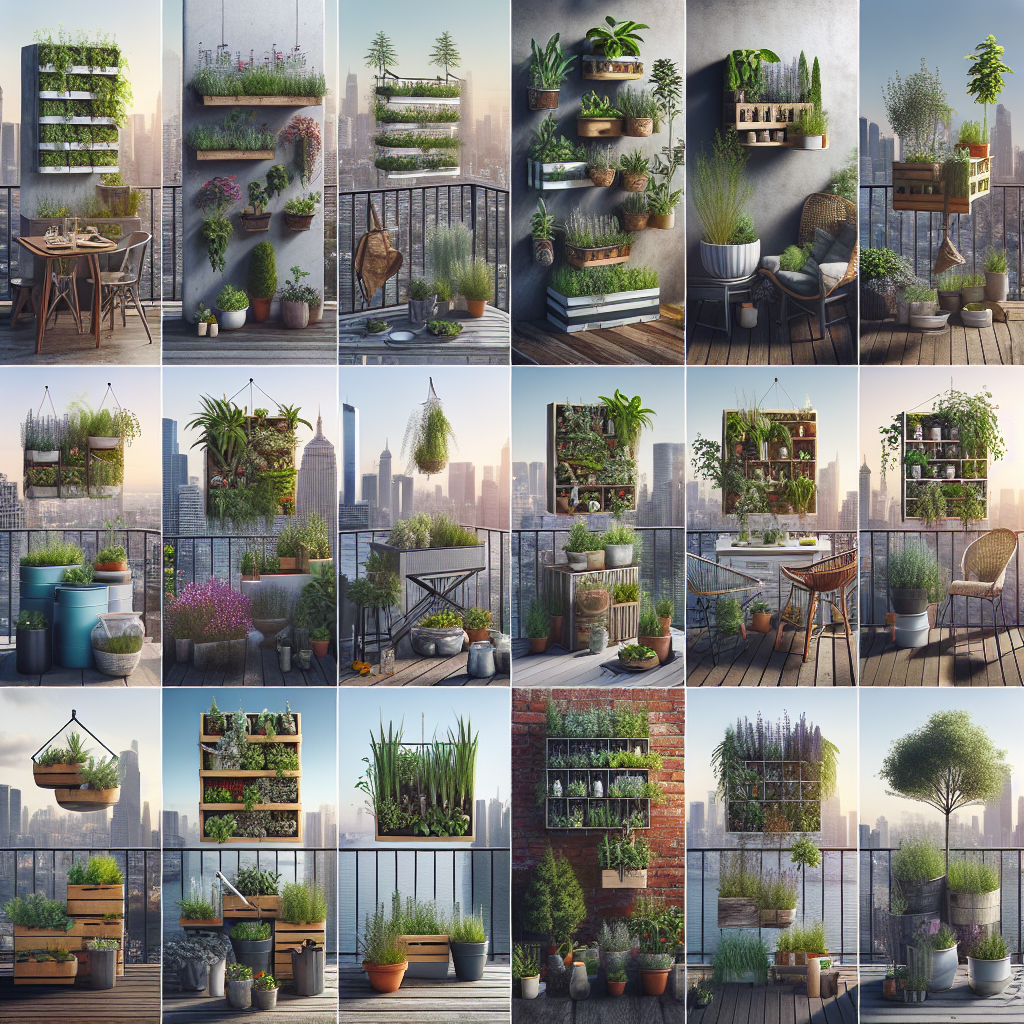
Creating a small culinary herb garden is a delightful endeavor that brings flavor, fragrance, and a bit of greenery right to your home. Whether you have a spacious backyard, a modest balcony, or a sunny windowsill, you can cultivate fresh herbs to elevate your culinary creations. In this article, we will explore various aspects of starting and maintaining a small herb garden, providing answers to common questions, design inspiration, and tips for successfully growing and using herbs.
Why Grow a Culinary Herb Garden?
1. Fresh Flavors on Hand
When you grow your own herbs, you have direct access to fresh flavors that can enhance your cooking. Harvesting herbs at their peak provides an unrivaled taste that dried counterparts simply cannot match. Imagine plucking a sprig of basil for a homemade pesto or snipping chives to sprinkle over a baked potato.
2. Health Benefits
Many culinary herbs are rich in vitamins, antioxidants, and other healthy compounds. For example, parsley is high in Vitamin K, while oregano is known for its anti-inflammatory properties. Growing your own herbs allows you to incorporate these nutritious plants into your diet more easily.
3. Sustainability
By growing your own herbs, you can significantly reduce your carbon footprint. Many herbs are often shipped across the country or even around the world, requiring substantial resources. Having a small herb garden minimizes transportation emissions and reduces waste from packaging.
4. Gardening as a Hobby
Gardening can be therapeutic. The act of tending to plants—watering, pruning, and harvesting—can provide a sense of accomplishment and relaxation.
What You Need to Start a Small Culinary Herb Garden
To embark on your herb gardening journey, you’ll need a few essential items:
1. Containers or Garden Bed
- Containers: If space is limited, pots of varying sizes can work wonders. Look for pots with drainage holes to prevent waterlogging.
- Garden Bed: If you have access to a garden bed, you can directly plant herbs into the ground. Select a sunny spot, as most herbs thrive in full sun.
2. Potting Soil
Good-quality potting mix is crucial, particularly for potted herbs. Soilless mixes designed for container gardening often contain the right blend of nutrients, moisture-retaining materials, and air-whole ingredients to promote healthy root growth.
3. Seeds or Seedlings
You can start your garden from seeds or buy young plants (seedlings) from a local nursery. Starting with seedlings can be more manageable for beginners.
4. Watering Can or Hose
Consistent watering is key to successful herb gardening. Ensure you have a means to water your plants efficiently.
5. Labels
Labeling your herbs can help you track growth and make meal planning easier. You can use wooden sticks, plastic labels, or even recycled materials.
6. Gardening Tools
Basic tools, such as scissors or pruning shears, a trowel, and gloves, make the process smoother.
Choosing the Right Herbs for Your Garden
Selecting the right herbs is crucial for a successful culinary garden. Here’s a list of popular culinary herbs, alongside their flavor profiles, uses, and growing requirements:
1. Basil
- Flavor Profile: Sweet and slightly peppery.
- Uses: Found in Italian dishes, pesto, salads, and as a garnish.
- Growing Requirements: Requires full sun and well-drained soil. Water regularly but avoid waterlogging.
2. Parsley
- Flavor Profile: Fresh and slightly peppery.
- Uses: Common in salads, soups, and as a garnish.
- Growing Requirements: Tolerates partial shade but thrives in full sun. Prefers well-drained soil.
3. Chives
- Flavor Profile: Mild onion flavor.
- Uses: Great for salads, baked potatoes, and soups.
- Growing Requirements: Thrives in full sun and well-drained soil. Water when the top inch of soil is dry.
4. Thyme
- Flavor Profile: Earthy and slightly minty.
- Uses: Versatile herb for marinades, soups, and roasted meats.
- Growing Requirements: Prefers full sun and drier soil, making it perfect for neglectful gardeners.
5. Cilantro (Coriander)
- Flavor Profile: Bright and citrusy.
- Uses: Essential in Mexican and Asian cuisines.
- Growing Requirements: Prefers cool weather, rich soil, and full sun.
6. Mint
- Flavor Profile: Cool and refreshing.
- Uses: Perfect for drinks, desserts, and salads.
- Growing Requirements: Can spread rapidly; consider planting in containers. Requires partial shade to full sun and consistently moist soil.
7. Oregano
- Flavor Profile: Robust and slightly bitter.
- Uses: Commonly used in Italian and Mediterranean dishes.
- Growing Requirements: Likes full sun and well-drained soil.
Planning Your Garden Layout
Container Gardens
If you’re confined to a small space, consider a container garden. Here are some creative ideas:
- Vertical Garden: Use wall-mounted planters or vertical planting systems to save space and add visual interest.
- Tiered Planters: Layered or tiered containers can maximize limited space while providing an attractive display.
- Window Boxes: Install boxes outside your kitchen window for easy access.
Garden Bed
For those with a little more space, consider these layouts:
- Inground Raised Beds: Raised beds can be constructed from wood and filled with quality soil for a dedicated herb space.
- Herb Spiral: Design a spiral garden bed where herbs with different moisture and light needs can thrive at varying heights.
Caring for Your Herb Garden
1. Watering
Herbs generally prefer the soil to dry out slightly between waterings. Check moisture levels by sticking your finger into the soil. In warm months, most herbs will need more frequent watering.
2. Fertilizing
Consider using organic fertilizers like compost or fish emulsion to supply nutrients. Over-fertilizing can lead to lush growth but diminish the flavor of your herbs.
3. Pruning
Regularly harvest herbs to encourage bushier growth. For most herbs, you can snip off the top two inches to promote branching. Be mindful not to take more than one-third of the plant at a time.
4. Pest Management
Keep an eye out for common pests like aphids and spider mites. You can remove them by hand, spray with soapy water, or introduce beneficial insects like ladybugs.
5. Harvesting
The best times to harvest herbs are in the morning when the oils are at their peak. Snip the herbs as needed, making sure to leave enough foliage for continued growth.
Using Culinary Herbs in Your Cooking
One of the most satisfying aspects of tending to your herb garden is using those lovely herbs in your kitchen. Here are creative ways to incorporate them into your meals:
1. Infused Oils and Vinegars
Create flavored oils or vinegars by steeping fresh herbs in your choice of oil or vinegar for a few days. Drizzle infused oil on salads or use flavored vinegar for dressings.
2. Herb Butter
Combine softened butter with finely chopped herbs, refrigerate it, and you’ll have a delicious finishing butter for steaks or vegetables.
3. Soups and Stews
Adding fresh herbs during the last few minutes of cooking enhances the flavor. Thyme, parsley, and cilantro work exceptionally well.
4. Salads
Chop fresh herbs like basil, chives, and parsley, and toss them into salads for added freshness.
5. Garnishes
Fresh herbs can elevate the presentation of a dish. Use whole sprigs of mint or basil to garnish desserts or savory meals.
6. Ice Cubes
Freeze chopped herbs in an ice cube tray with water or broth. These cubes can be used later in soups and stews.
7. Baking
Incorporate herbs like rosemary or thyme into bread recipes for an aromatic twist.
Common Questions About Small Culinary Herb Gardens
Q: How much sunlight do herbs need?
A: Most culinary herbs prefer full sun, which is about 6-8 hours of direct sunlight daily. Certain herbs, like parsley and mint, can tolerate partial shade.
Q: How often should I water my herbs?
A: This can vary based on the climate, container size, and type of herbs. Generally, check soil moisture regularly and water when the top inch of soil feels dry.
Q: Can I grow herbs indoors?
A: Yes! Many culinary herbs thrive indoors, especially if placed near a south-facing window where they can receive ample sunlight. Consider using grow lights for herbs that require more light.
Q: What should I do if my herbs start to flower?
A: While flowering can look beautiful, it typically indicates that the herbs are about to bolt and lose their flavor. If possible, pinch off flower stalks to encourage growth.
Q: Are there herbs that are particularly resistant to pest issues?
A: Yes! Herbs like basil, rosemary, and mint are generally more resistant to pests. Additionally, planting certain herbs together can create a natural pest deterrent.
Q: Can I freeze herbs for later use?
A: Absolutely! The best way to preserve fresh herbs is to chop them, place them in an ice cube tray, cover them with water or broth, and freeze. This allows you to access fresh flavors throughout the year.
Q: What herbs grow well together?
A: Companions like basil, parsley, and cilantro can thrive together. Avoid planting herbs that have vastly different watering needs side-by-side.
Conclusion
Starting a small culinary herb garden can transform your cooking, add health benefits to your diet, and create a sense of peace and satisfaction in your life. With a little time and care, herbs such as basil, chives, parsley, and mint can flourish in even the tiniest of spaces. Embrace your green thumb, experiment with flavors, and enjoy the fruits of your labor. Ultimately, cultivating a culinary herb garden is not just about growing plants; it’s about enhancing your culinary experience and reconnecting with the earth.
As you embark on creating your herb garden, remember that this journey offers the chance to connect with nature, learn about seasonal changes, and enjoy the tangible rewards of your efforts. Whether you choose to sip on mint-infused tea made from your own garden or create a gourmet meal with freshly harvested herbs, the possibilities are endless. Happy gardening!