
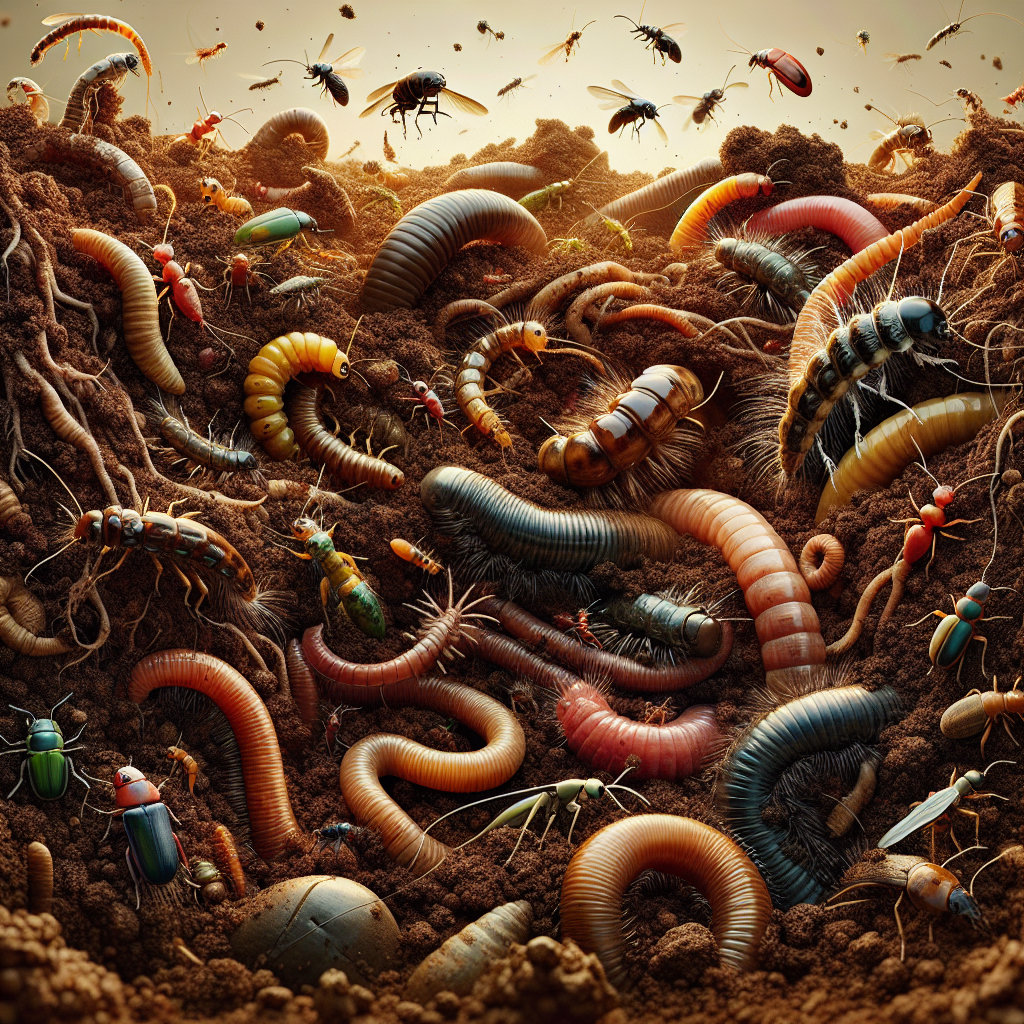
When we think about the natural world, our minds often drift to majestic forests, soaring mountains, and the vast oceans. But beneath our feet lies an equally fascinating ecosystem—the soil, home to countless organisms, among which are the often-overlooked and misunderstood bugs. These minuscule creatures play critical roles in our environment, and many of them can be found living right in our backyards. In this article, we will delve deep into the fascinating world of soil-dwelling bugs, explore their roles in the ecosystem, answer common questions, and highlight their importance to our planet.
The Importance of Soil Bugs
1. What Are Soil Bugs?
Soil bugs encompass a diverse range of species, including insects, arachnids, and even myriapods. Common examples include ants, beetles, earthworms, centipedes, and springtails. Despite their tiny stature, these organisms have substantial impacts on soil health and fertility.
2. Why Are Soil Bugs Important?
Soil bugs play several vital roles in the ecosystem:
a. Decomposition: Many soil-dwelling bugs, such as beetles and springtails, contribute to the breakdown of organic matter. By consuming dead plant material, they recycle nutrients back into the soil, making them available for plants.
b. Soil Aeration: Bugs like earthworms aerate the soil by tunneling through it, allowing air and water to penetrate deeper layers. This enhances root growth and promotes better drainage.
c. Pest Control: Certain soil insects like predatory beetles and spiders help control pest populations, acting as natural biocontrol agents.
d. Seed Dispersal: Some bugs, particularly ants, are involved in seed dispersal. They collect seeds and transport them to their nests, which often leads to more robust plant growth in varied locations.
e. Soil Structure Improvement: Bugs contribute to the soil structure by creating channels and organic matter that help bind soil particles together.
3. How Do Soil Bugs Affect Plant Growth?
Soil bugs are crucial for optimal plant health. By improving soil aeration, enhancing nutrient cycling, and maintaining soil structure, these bugs create fertile ground for robust plant growth. A healthy population of soil bugs often indicates a balanced ecosystem, which is essential for agriculture and horticulture.
Types of Soil-Dwelling Bugs
1. Earthworms: The Soil Farmers
One of the most well-known soil-dwelling bugs is the earthworm. Often referred to as “nature’s plow,” earthworms are vital for soil health. They consume organic matter and excrete nutrient-rich castings, which enrich the soil. An adult earthworm can consume its weight in soil daily, significantly contributing to nutrient cycling.
Life Cycle: Earthworms reproduce by producing cocoons. A single worm can produce up to 20 cocoons in a single week.
Fun Fact: The common earthworm (Lumbricus terrestris) can burrow down to depths of 6 feet, allowing for effective soil aeration.
2. Springtails: The Microscopic Movers
Springtails, although tiny (1-2 mm), play a significant role in decomposing organic matter. They thrive in moist environments and can be found in leaf litter and in soil. Their unique ability to spring away when threatened allows them to escape predators effectively.
Nutrient Cycling: By feeding on decaying organic matter, they help in nutrient cycling, turning dead material into fertile soil.
Interesting Fact: Springtails can reproduce rapidly and have been known to have over 700 species in a single area.
3. Ants: The Skilled Builders
Ants, often seen roaming the surface, spend much of their lives underground. They create complex tunnel systems that improve soil aeration and structure. Ants also aid in decomposition by transporting organic materials back to their colonies.
Diversity: There are over 12,000 species of ants worldwide, and many have specific roles in their ecosystems.
Question: How do ants contribute to pest control?
Ants are known to prey on various soil pests, thereby reducing their populations. Some species even farm fungi, which play a crucial role in nutrient cycling.
4. Beetles: Nature’s Cleaners
Ground beetles and rove beetles are prime examples of predatory insects that inhabit the soil. These beetles feed on a variety of pests, including slugs and caterpillars. Their presence in an ecosystem often indicates a low pest count, benefiting gardeners and farmers.
Trivia: Some beetles can live for several years, during which they can consume thousands of pests.
5. Centipedes and Millipedes: The Detritivores
Centipedes and millipedes are also integral to soil health. Although centipedes are predators that feed on insects, millipedes are detritivores that consume decaying organic matter. Both contribute to nutrient cycling.
Reproduction: Millipedes lay eggs in moist soil, and their young often resemble small adults.
Interesting Fact: Contrary to what their name suggests, centipedes can have a varying number of legs, usually between 15 and 177 pairs.
Common Questions About Soil Bugs
1. How Do Soil Bugs Survive in Different Conditions?
Soil bugs have evolved various adaptations that allow them to thrive in different environments. For example, some bugs have thick cuticles that prevent moisture loss, enabling them to survive in arid conditions. Others can enter a dormant state during unfavorable conditions.
2. Are Soil Bugs Harmful to Humans?
Most soil bugs are harmless to humans. While some insects can bite or sting, they generally do not pose significant health risks. In fact, many soil bugs are beneficial, contributing to soil health and agricultural productivity.
3. How Can I Encourage Soil Bugs in My Garden?
Encouraging soil bugs in your garden can promote soil fertility and plant health. Here are several tips:
- Limit Pesticide Use: Pesticides can harm beneficial soil bugs, so use them sparingly.
- Add Organic Matter: Incorporate compost or aged manure to provide food for soil bugs.
- Mulch: Applying mulch can create a moist environment conducive to soil-dwelling bugs.
- Plant Diversity: Biodiverse planting can provide varied habitats for different soil bugs.
4. Can Soil Bugs Help Fight Climate Change?
Soil bugs contribute to carbon sequestration, a process in which carbon dioxide is absorbed and stored in the soil. By promoting healthy soil ecosystems, we can help mitigate the effects of climate change.
Research: Studies have shown that healthy soil ecosystems, rich in diverse organisms, including soil bugs, can sequester carbon more effectively than depleted soils.
5. How Can Soil Bugs Be Studied?
Researchers study soil bugs using various methods, including:
- Soil Sampling: Collecting soil samples allows researchers to identify and count soil bugs.
- Pitfall Traps: These traps attract and capture ground-dwelling insects, providing insight into their diversity and abundance.
- Molecular Techniques: DNA barcoding is increasingly being used to identify species more accurately.
Fascinating Case Studies
1. The Role of Earthworms in Agriculture
In a groundbreaking study conducted in Iowa, researchers found that fields with a higher density of earthworms yielded more corn compared to those with fewer earthworms. Their burrowing activities not only aerated the soil but also increased water infiltration, ultimately leading to healthier crops.
2. Ants as Ecosystem Engineers
Research conducted in Australia demonstrated that ant populations significantly enhanced soil quality. The study found that ant mounds provided distinct habitat patches that supported various plant species, further promoting biodiversity within the ecosystem.
Soil Bugs and Biodiversity
1. A Microcosm of Life
The world of soil bugs is a microcosm, housing incredible biodiversity. This diversity is essential for healthy ecosystems. Each species has a unique role, contributing to the overall functionality of the ecosystem.
2. The Risks of Declining Soil Bug Populations
With the increasing use of pesticides, habitat loss, and soil degradation, soil bug populations are declining. This poses a risk to ecosystems as the functions they provide—such as decomposition, soil aeration, and pest control—are vital for healthy soil.
Conclusion: A Call to Action
The next time you find yourself walking on the grass or tending to your garden, remember the intricate and vibrant world beneath your feet. Soil bugs, though small, have indispensable roles in our environment. They contribute to nutrient cycling, soil fertility, and biodiversity, and their decline could have significant repercussions for our ecosystems.
As stewards of the Earth, we must strive to protect and encourage these tiny creatures. By adopting sustainable gardening practices, minimizing chemical use, and advocating for policies that protect natural habitats, we can ensure the survival of the remarkable bugs that live in the dirt—our silent partners in maintaining a healthy planet.
In exploring the significance of soil-dwelling bugs, we discover that understanding and nurturing these organisms is crucial for building a sustainable future. Let us take a moment to appreciate the hidden wonders of the soil and engage in practices that protect these essential players in our ecosystems. Whether you are a gardener, farmer, or someone who simply enjoys nature, embracing these tiny allies will lead to bigger wins for our planet.