
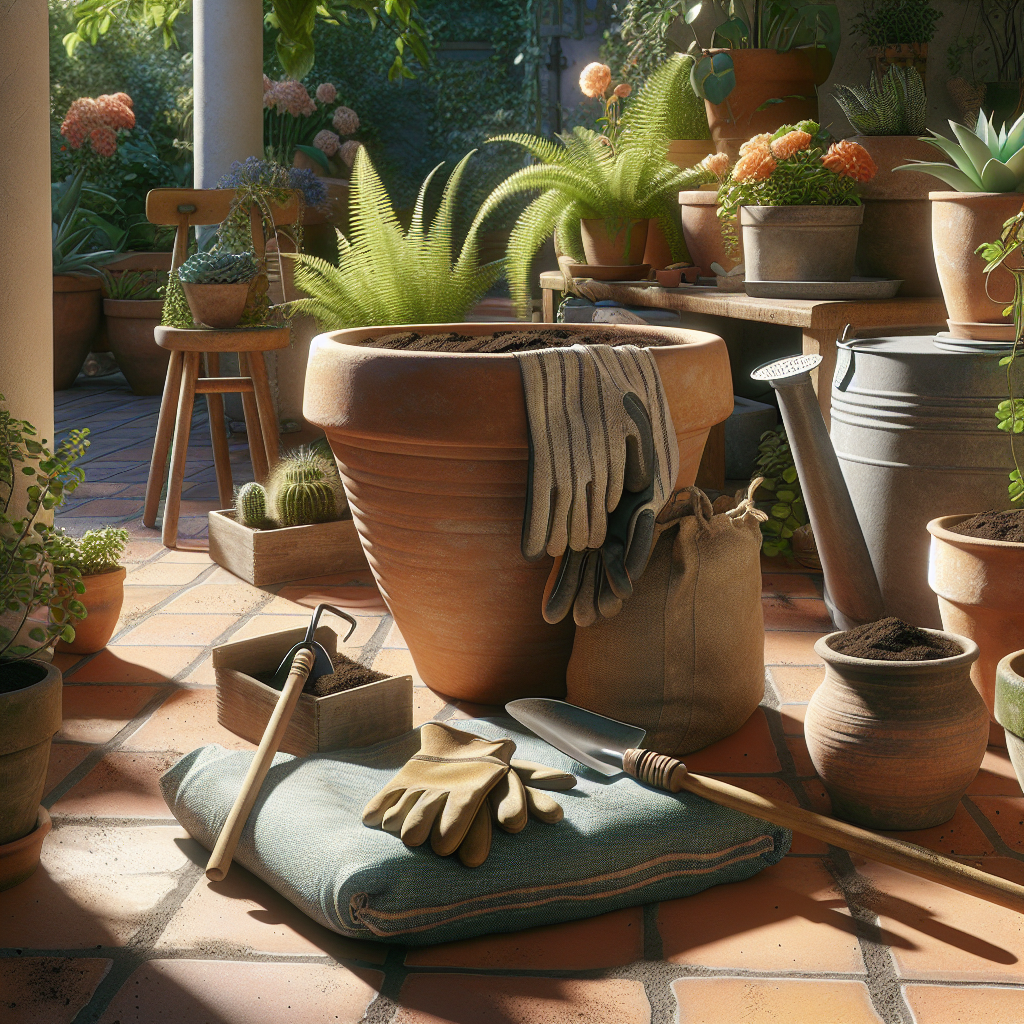
Gardening has long been admired not just as a hobby but as a therapeutic practice that connects us with nature. One of the most impactful aspects of gardening is how you choose to display your plants. Large pots are an excellent choice for both aesthetic appeal and the well-being of your plants. But how do you fill them correctly? In this guide, we will delve deep into the proper techniques, materials, and tips for filling large pots, answering the most common questions along the way.
Understanding Container Gardening
Before we get into the nitty-gritty of filling large pots, let’s take a moment to understand what container gardening is all about. Container gardening refers to the practice of growing plants in containers instead of in the ground. This approach allows for flexibility, creative expression, and control over soil quality, drainage, and overall plant health.
Benefits of Using Large Pots
1. Mobility
Large pots can be moved around, allowing you to change the aesthetics of your garden or patio easily.
2. Soil Quality Control
You can curate the soil mix specifically for the types of plants you intend to grow.
3. Space Efficiency
Large containers allow you to grow more plants in smaller areas, making them ideal for urban gardening.
4. Aesthetic Appeal
They serve as beautiful focal points in gardens or inside homes.
Choosing the Right Pot
Before filling your large pot, consider the following:
- Material: Different materials (ceramic, plastic, terracotta, metal) impact drainage and insulation.
- Size: Ensure the pot is adequately sized for the plants you wish to grow.
- Drainage: Check for drainage holes at the bottom. If not present, you may need to drill some or consider a different pot.
Essential Supplies
-
Quality Potting Mix: High-quality potting soil often contains peat, vermiculite, and perlite, promoting aeration and drainage.
-
Drainage Material: Gravel, pebbles, or broken pots can be used to cover the drainage holes and prevent soil from escaping.
-
Fertilizers: Slow-release fertilizers can help sustain plant growth over time.
-
Watering Can or Hose: Essential for watering after the pot is filled.
Filling Your Large Pot: Step-by-Step Guide
Step 1: Prepare Your Tools and Materials
Gather everything you need: potting mix, drainage materials, fertilizers, tools like a trowel and watering can, and any necessary protective gear.
Step 2: Ensure Proper Drainage
-
Cover Drainage Holes: Start by placing a few pieces of landscape fabric over the drainage holes to keep soil from washing out while allowing water to flow through.
-
Add Drainage Material: Next, pour in a layer of drainage materials like gravel, perlite, or small stones. This layer should be about 1-2 inches thick at the bottom of the pot.
Step 3: Add Potting Mix
-
Layering the Mix: Fill the container about one-third full with your potting mix. It is important to use a mix that is specifically formulated for container gardening.
-
Mixing in Fertilizer: If you’re using slow-release fertilizers, mix them into the potting soil at this stage, following package instructions regarding the appropriate quantity.
-
Layering Technique: Some gardeners prefer a layering technique, where different types of potting mix are added in layers to accommodate various plant types if multiple species are being planted together.
Step 4: Planting Your Greenery
-
Positioning Plants: Before you fill the pot entirely, consider placing your plants at a distance that allows for their mature sizes. Group taller plants in the back and shorter ones in the front for optimal visual appeal.
-
Filling Around Plants: Once you’ve positioned your plants, continue filling the pot with potting mix, leaving about an inch of space at the top for watering. Be careful not to compact the soil excessively, as this can inhibit root growth.
Step 5: Water Thoroughly
Once your plants are in place, water them thoroughly. This step helps eliminate any air pockets and evenly distributes moisture throughout the soil.
Step 6: Add Mulch (Optional)
Adding a layer of mulch on top of the soil can reduce evaporation and limit weed growth. Organic mulches like bark mulch also add nutrients to the soil as they decompose.
Frequently Asked Questions
Q1: Can I use garden soil instead of potting mix?
A1: It is not recommended, as garden soil is often too heavy for containers and may love beneficial organisms that can lead to disease. Potting mix is specially formulated to provide ideal drainage and aeration for potted plants.
Q2: How often should I water my plants in large pots?
A2: Watering frequency depends on various factors, including plant type, pot size, climate, and season. As a general rule of thumb, water when the top inch of soil feels dry.
Q3: Should I fertilize my potted plants?
A3: Yes, most container plants benefit from regular feeding, especially when growing season conditions are favorable. However, be mindful not to over-fertilize, as this can harm your plants.
Q4: What if my plants start wilting?
A4: Wilting may indicate either overwatering or underwatering. Check the soil moisture; it’s wise to adjust your watering schedule and practices accordingly.
Q5: Will large pots retain heat?
A5: Yes, materials like ceramic and metal can absorb heat and affect root temperature. Be cautious during extreme heat, as it can lead to overheating roots.
Key Tips for Successful Container Gardening
1. Choose the Right Location
Make sure to site your large pot in a suitable place. Consider the light requirements of your plants, and adjust based on their needs—full sun, partial shade, or shade will impact growth dramatically.
2. Rotate Your Pots
Periodically rotating your pots can help ensure all sides of your plants receive equal sunlight, leading to more uniform growth.
3. Inspect Regularly
Keep an eye on your plants for any signs of pests or diseases. Early detection will help you take corrective actions before the problem escalates.
4. Refresh Your Soil
Consider replacing or refreshing the potting mix every year or two, as nutrients can be depleted over time.
5. Runoff Management
Ensure that the area around your large pots accommodates runoff water. Saucers can help collect excess water, preventing damage to surfaces beneath your pots.
Troubleshooting Common Container Gardening Issues
-
Dropping Leaves: This could signal overwatering or underwatering. Assess your watering habits based on the soil moisture.
-
Yellowing Leaves: Yellow leaves are often a sign of nutrient deficiency. An application of fertilizer can help resolve this issue.
-
Poor Growth: If your plants are growing slowly, consider repotting with fresh soil and checking your watering and light conditions.
Final Thoughts
Filling large pots for plants is an enriching and rewarding endeavor that goes beyond merely aesthetics. This guide serves as a comprehensive resource for both novice and experienced gardeners looking to maximize their container gardening successes. By carefully selecting your materials, planting strategically, and adhering to best practices, the reward will be a mesmerizing plant display that not only beautifies your space but also fosters a deeper connection with nature.
Remember, gardening is as much about learning and growing as it is about nurturing plants. So, take your time, enjoy the process, and let your gardening journey flourish!