
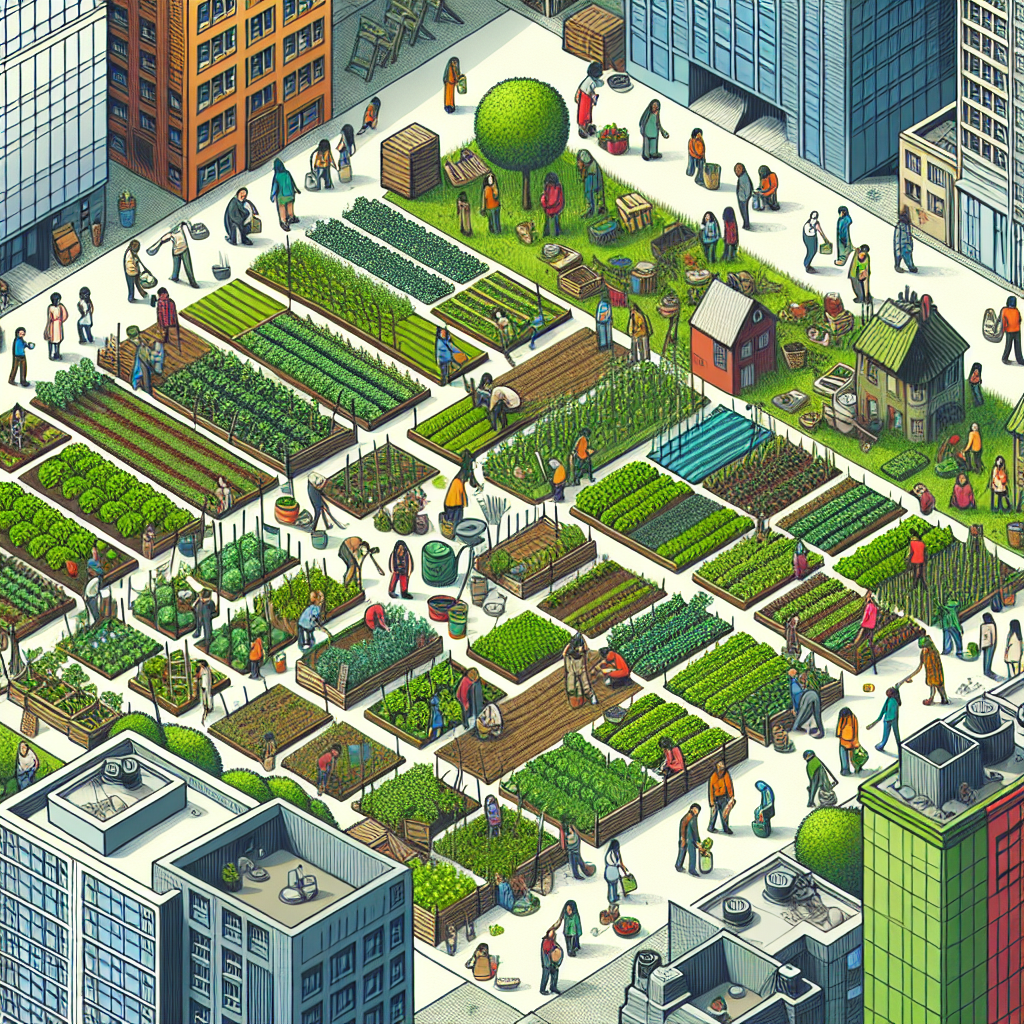
In the evolving landscape of urban agriculture, the concept of nomadic community gardens has garnered attention as a sustainable and innovative approach to food production. These gardens, which pop up in various locations, offer unique opportunities for communities to engage with one another, connect with their environment, and promote ecological awareness. But what exactly are nomadic community gardens? How do they work? What benefits do they offer, and what challenges do they face? This article aims to answer these questions in depth, exploring the many facets of nomadic community gardens and their role in shaping the future of urban agriculture.
What Are Nomadic Community Gardens?
Nomadic community gardens are temporary gardening projects that can occur in various locations instead of being confined to a single, permanent space. These gardens thrive on the principles of mobility, collaboration, and sustainability. They can be established in underutilized spaces, vacant lots, or even rooftops, often integrating principles of permaculture and organic gardening.
Historical Context
While the modern concept of nomadic gardens has emerged in recent years, the practice of utilizing temporary gardening spaces has roots in many cultural traditions. Indigenous cultures have long understood the importance of maintaining a connection to the land, often employing communal gardening techniques that adapt to their movement.
In urban settings, the community gardening movement gained momentum in the 1970s and 1980s. Many cities across the globe faced economic decline, leading to abandoned lots and a rising need for food security. Nomadic community gardens represent a continuation of these ideas, offering a way to harness unused urban spaces while promoting environmental stewardship.
How Do Nomadic Community Gardens Operate?
Establishment and Design
Setting up a nomadic community garden typically starts with identifying a suitable plot of land. This can include abandoned lots, schoolyards, or public parks. The engagement of the community is vital at this stage. Often, local residents are involved in designing the garden layout, choosing plant species, and determining the overall objectives of the gardening project.
Once the site is secured, the design process can begin. This involves considerations such as:
-
Plant Selection: Choosing local, native, and seasonal plants is essential for the health of the ecosystem and making the garden easier to maintain.
-
Layout: Planning the distribution of plants, pathways, and communal areas where people can gather encourages a sense of community and interaction.
-
Soil Quality: Testing and amending soil conditions is crucial, especially in urban environments where contamination may be a concern. Raised beds and container gardening are common solutions.
-
Water Management: Water access must be established; rainwater harvesting systems or drip irrigation can be effective methods.
Community Engagement
The heart of nomadic community gardens lies in their community-centric approach. These gardens often function as hubs for social activity, educational initiatives, and cultural exchange. Residents come together to plant, maintain, and harvest, building relationships and fostering a shared sense of purpose.
Many nomadic gardens host workshops, cooking classes, and cultural events. These activities not only enhance community ties but also promote gardening skills and enhance awareness of sustainability.
Mobility and Transience
The unique aspect of nomadic community gardens is their ability to move. After a defined period, often aligned with the growing season, these gardens may relocate to a new site, leaving behind a legacy of improved community relations and ecological restoration. As they transition, residents often share knowledge and produce with other communities, creating a wider network of engaged citizens.
What Benefits Do Nomadic Community Gardens Provide?
1. Environmental Sustainability
Nomadic community gardens contribute significantly to urban ecology. They:
- Enhance Biodiversity: By planting a variety of species, these gardens attract pollinators, beneficial insects, and other wildlife, fostering urban biodiversity.
- Combat Urban Heat: Vegetation in urban areas aids in cooling, mitigating the urban heat island effect.
- Improve Soil Health: Practices like composting and organic gardening enrich soil, promote healthier ecosystems, and reduce pollution.
- Carbon Sequestration: Plants sequester carbon dioxide, making urban areas more climate-resilient.
2. Food Security
Access to fresh produce is a major concern in many urban neighborhoods, particularly in food deserts where grocery stores are scarce. Nomadic community gardens provide:
- Fresh, Local Produce: Residents can harvest their own fruits and vegetables, reducing dependency on store-bought items.
- Cultural Foods: Communities can grow crops that hold cultural significance, reinforcing individual identities and unity.
3. Educational Opportunities
Nomadic gardens serve as outdoor classrooms where participants of all ages can learn about:
- Ecological Principles: Topics include soil health, composting, native plants, and biodiversity.
- Nutritional Awareness: Participants can learn how to prepare fresh produce, understand food sources, and make healthier choices.
- Community Building: The act of gardening together strengthens social skills, teamwork, and mutual respect among diverse groups.
4. Social Cohesion
As these gardens move, they facilitate connections among community members. They act as platforms for networking and collaboration, bringing together individuals from various backgrounds to work towards common goals. Social cohesion leads to:
- Increased Trust: Residents develop trust, enhancing neighborhood safety.
- Cultural Exchange: These gardens celebrate diversity by allowing different communities to share their gardening customs and food-related practices.
- Empowerment: As communities come together to control food production, residents feel a greater sense of agency and empowerment within their neighborhoods.
What Challenges Do Nomadic Community Gardens Face?
While the benefits of nomadic community gardens are significant, challenges also abound. Understanding these barriers can help communities develop strategies to overcome them.
1. Land Access and Tenure
Securing land for temporary community gardens can be difficult. Many urban areas have stringent regulations governing land use, and the uncertainty of temporary locations may dissuade potential participants.
2. Resources and Funding
Setting up and maintaining gardens requires resources—from seeds and soil to tools and water. Securing funding can be challenging, particularly for community-driven initiatives. Grants, fundraising, and local sponsorship are critical but can be difficult to obtain consistently.
3. Organizational Structure
A successful nomadic garden requires strong organization and commitment, often relying on volunteers who may come and go. Establishing a solid governance structure is essential for continuity and long-term impact.
4. Knowledge and Skills
Not all community members may have prior gardening experience, and effective knowledge transfer becomes crucial. Workshops and ongoing educational opportunities can address these gaps, but finding knowledgeable leaders can be a challenge.
How Can Communities Overcome These Challenges?
1. Partnerships
Forming partnerships with local organizations and businesses can help establish credibility and secure resources. Schools, non-profits, and local governments may be more willing to support garden initiatives when engaged collaboratively.
2. Flexible Planning
Creating adaptable garden plans can alleviate concerns over land tenure. By designing gardens that can be easily dismantled and moved, communities can demonstrate resilience and flexibility.
3. Funding Opportunities
Identifying grant opportunities and applying collectively can enhance the chances of securing financial support. Community-driven crowdfunding campaigns may also be effective in garnering local interest and investment.
4. Skill-Building Workshops
Offering workshops and training sessions can empower community members with the necessary gardening skills to participate actively. Peer-to-peer learning and mentorship models help bridge knowledge gaps while fostering a sense of responsibility and ownership.
Inspiring Examples of Nomadic Community Gardens
1. The Garden of Alea, New York City
The Garden of Alea is a prime example of a nomadic community garden that moves from bleaker underutilized spaces and transforms them into thriving green oases. Established in 2015, the garden leverages different spaces in Brooklyn and organizes seasonal community events, potlucks, and workshops focusing on gardening and nutrition.
2. Urban Oasis, Los Angeles
Urban Oasis operates in various neglected sites in Los Angeles, offering marginalized communities access to fresh produce. This project incentivizes community involvement by hosting educational workshops, cooking classes, and volunteer days, fostering a spirit of community while reclaiming urban land for gardening.
3. The Edible Schoolyard, Berkeley
Although it has more stability, the essence of the Edible Schoolyard captures the spirit of nomadic community gardening. This initiative brings food education to students, encouraging them to participate in planting and harvesting while learning about nutrition and environmental sustainability.
Conclusion
Nomadic community gardens represent a dynamic and revolutionary approach to urban agriculture. By embracing mobility, collaboration, and sustainability, they cultivate more than just food—they nurture community ties, ignite educational opportunities, and foster environmental stewardship. While challenges like land access, funding, and resources remain prominent, innovative solutions and community engagement can drive the success of these initiatives.
As urban landscapes continue to evolve, nomadic community gardens stand as a beacon of hope, proving that sustainable practices can take root in the most unexpected places. Whether through the movement of plants or the connection of people, nomadic gardens embody the principles of resilience, cooperation, and transformation, paving the way for a greener, more interconnected future.
By understanding and championing nomadic community gardens, we can inspire a new generation of urban agrarians, cultivating not just food, but cultures, relationships, and sustainability for years to come.