
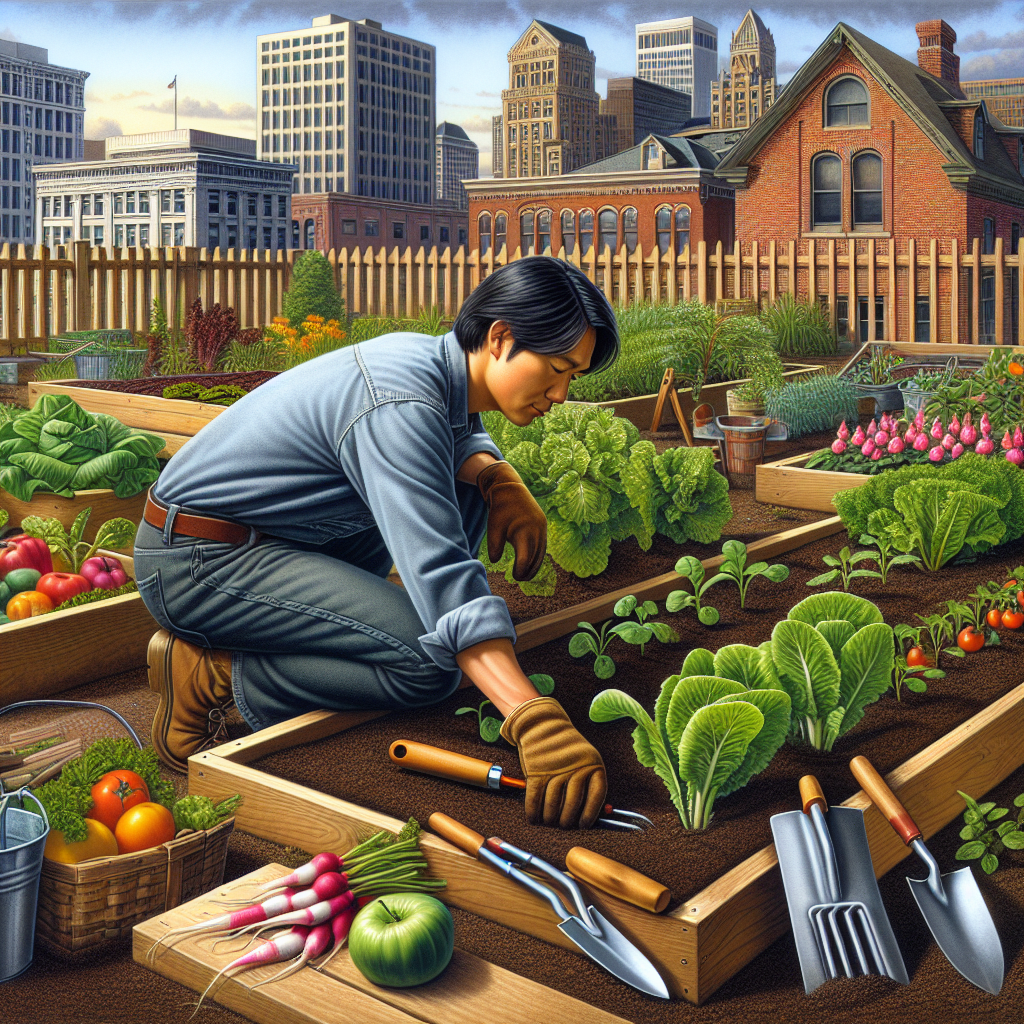
Nestled in the heart of Michigan, Grand Rapids is a city with a rich agricultural history. Known as the “Furniture City,” this vibrant community has transformed over the years into a bustling hub of art, culture, and sustainability. At the core of this transformation is a growing movement centered around edible gardening—a practice that not only beautifies urban spaces but also provides fresh produce, fosters community relationships, and promotes environmental stewardship. This article delves deep into the concept of edible gardens in Grand Rapids, exploring their significance, how to start one, and the myriad benefits they offer.
What is an Edible Garden?
An edible garden is any garden that focuses on growing plants that can be consumed—fruits, vegetables, herbs, and even flowers that are safe to eat. Unlike traditional gardens that primarily focus on ornamental plants, edible gardens are designed with a practical purpose in mind: to supply nutritious food and create a sustainable environment.
Why Edible Gardens?
-
Food Security: As food prices fluctuate and the supply chain becomes increasingly complex, having a personal source of fresh produce can significantly enhance food security. Edible gardens empower individuals and families to grow their own food, reduce reliance on grocery stores, and ensure that they have access to fresh, healthy options.
-
Environmental Impact: Edible gardens play a crucial role in promoting biodiversity. By planting native species and a variety of crops, gardeners can help restore degraded ecosystems and encourage healthy soil. Plants absorb carbon dioxide and release oxygen, contributing to cleaner air.
-
Community Building: Community gardens foster relationships among neighbors. Individuals share gardening tips, swap seeds, and even hold potlucks featuring dishes made from their garden harvests, creating a sense of camaraderie and collective responsibility.
-
Educational Opportunities: Gardening offers tremendous educational benefits, especially for children. It teaches them about where food comes from, responsibility, patience, and the importance of caring for the environment.
The Growing Edible Garden Movement in Grand Rapids
In recent years, Grand Rapids has seen a surge in the interest and implementation of edible gardens. Local organizations and community groups have spearheaded efforts to encourage residents to embrace gardening as a means of promoting health, sustainability, and community engagement.
Notable Community Initiatives
-
Grand Rapids Community College (GRCC): GRCC has established a community garden that serves as a living laboratory for students and volunteers. This garden not only provides food to those in need but also serves as an educational tool for sustainable practices.
-
The Urban Roots Project: This initiative aims to plant gardens at schools and community centers, teaching youth and adults about sustainable gardening practices, the value of local food, and nutrition.
-
Community Supported Agriculture (CSA): Many local farmers offer CSA programs where members of the community can buy shares of a farm’s harvest. This initiative encourages people to have a personal stake in local agriculture while supporting local farmers.
How to Start Your Own Edible Garden in Grand Rapids
Starting your own edible garden can be a rewarding experience. Here’s a step-by-step guide to help you embark on this journey.
1. Choose the Right Location
Location is crucial for the success of your edible garden. Look for spots that receive at least 6-8 hours of sunlight per day. Consider proximity to water sources, wind exposure, and accessibility for maintenance.
2. Assess Soil Quality
Soil health is foundational to a thriving garden. You can check your soil’s health with a DIY soil test, which can be done by purchasing a test kit online or from local gardening centers. Once you know the soil pH and nutrient content, you can amend it with organic matter such as compost.
3. Selecting Plants
Choose crops that thrive in the local climate and season. Some excellent options for Grand Rapids include:
- Vegetables: Tomatoes, peppers, spinach, and kale.
- Fruits: Strawberries, blueberries, and hardy perennial fruits such as rhubarb.
- Herbs: Basil, mint, and cilantro.
4. Gardening Techniques
Begin by deciding whether to plant in raised beds, containers, or directly in the ground. Raised beds improve soil drainage and can be easier to maintain. Container gardening allows you to maximize small spaces.
Seasonal Considerations
In Grand Rapids, the gardening season typically runs from late April to early October. Early spring is favorable for planting cool-season crops, while warm-season crops are best planted after the last frost.
5. Watering and Maintenance
Adequate watering is critical, especially during dry spells. Utilize drip irrigation systems or self-watering pots to conserve water. Regularly check for pests and diseases; employing organic methods such as companion planting can help mitigate this.
6. Harvesting and Enjoying
Monitor your plants to know when they are ready to be harvested. Understand the signs for ripeness so that you can enjoy fresh produce at its peak flavor and nutritional value.
Frequently Asked Questions about Edible Gardens in Grand Rapids
Q1: What types of plants grow best in Grand Rapids?
The climate in Grand Rapids is conducive to a variety of crops, thanks to the USDA Hardiness Zone 5b. Ideal choices include:
- Leafy greens (e.g., lettuce, spinach)
- Brassicas (e.g., broccoli, cabbage)
- Root vegetables (e.g., carrots, radishes)
- Berries (e.g., strawberries, raspberries)
Q2: How can I garden if I have limited space?
Container gardening is a great solution for urban dwellers with limited yard space. Vertical gardening also maximizes space; you can utilize wall-mounted planter boxes or tiered plant stands. Additionally, consider community gardens that often have plots available for local residents.
Q3: Do I need to use chemicals or pesticides?
You don’t have to! Many gardeners practice organic gardening, which emphasizes natural pest control methods and organic fertilizer options. Planting companion plants that deter pests is also an effective strategy.
Q4: How can I harvest rainwater for my garden?
Using rain barrels is an environmentally friendly way to collect rainwater. Position your barrel under a downspout to capture runoff. Ensure that the barrel is covered to prevent mosquitoes from breeding.
Q5: What resources are available for aspiring gardeners?
Grand Rapids boasts numerous resources for both novice and experienced gardeners, including:
- Local Gardening Clubs: Join a community gardening club to meet fellow enthusiasts.
- Local Extension Office: This provides research-based advice for local growing conditions and pest management.
- Workshops and Events: Attend gardening workshops hosted by local farms or community centers to learn hands-on.
The Health Benefits of Edible Gardening
Cultivating an edible garden provides multiple health benefits.
-
Nutrition: Home-grown fruits and vegetables are often more nutritious than store-bought alternatives. Fresh produce retains its vitamins and minerals longer if eaten immediately after harvest.
-
Physical Activity: Gardening is a form of exercise. Digging, planting, weeding, and harvesting involve physical labor that can improve your overall fitness levels.
-
Mental Well-Being: Engaging with nature has been proven to alleviate stress, anxiety, and depression. Gardening offers therapeutic benefits, allowing individuals to connect with the earth and engage in mindful practices.
-
Family Bonding: Involving family members in garden activities promotes teamwork and provides opportunities for learning and sharing. Children can develop a sense of responsibility through caring for plants, while adults can enjoy the relaxing aspects of nurturing nature.
Future of Edible Gardens in Grand Rapids
As Grand Rapids continues to grow, the city’s commitment to sustainability and community engagement will undoubtedly lead to the expansion of edible gardens. Initiatives focusing on food justice and equity will address food deserts and aim to provide fresh produce to underserved communities.
The Grand Rapids Urban Agriculture Initiative encourages urban farming as a viable alternative to traditional food systems. Community members are rallying for policies that support urban farming practices, thus emphasizing the importance of local food production.
Conclusion
Edible gardens in Grand Rapids represent more than just a trend; they embody a vital shift towards resilience, sustainability, and community well-being. By growing our own food, we take an active role in redefining our relationship with the earth, our health, and our neighbors. Every seed planted is a step toward a greener, healthier community—a testament to the vibrant spirit of Grand Rapids.
As you roll up your sleeves and dig into the earth, remember that the journey of an edible garden is not just about the harvest but also about the connections, lessons, and experiences along the way. Whether you start small on your balcony or dive headfirst into a community garden, remember: every effort counts in cultivating joy and sustainability.