
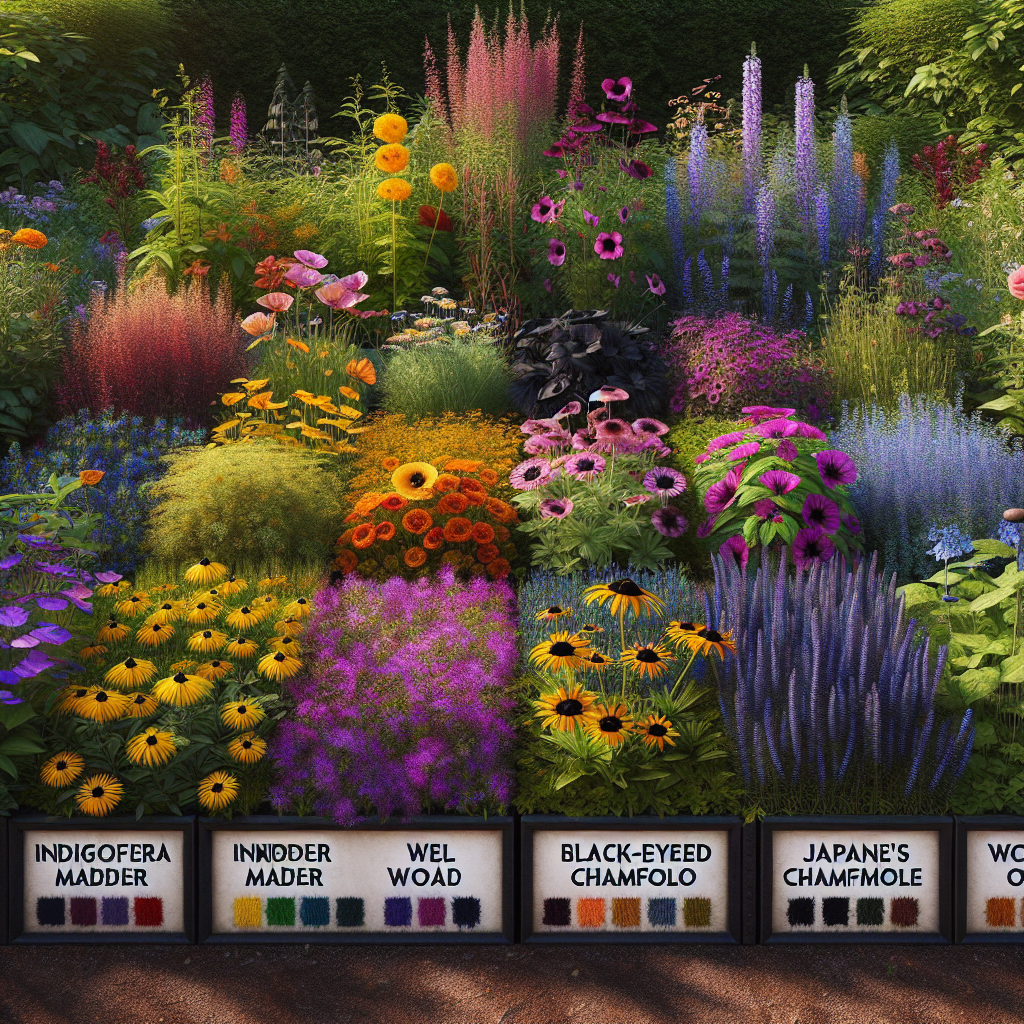
The Vibrant World of Dye Plants: A Guide to Growing Nature’s Palette in Your Garden
When we think of gardens, we often imagine vibrant flowers, lush greens, and calming scents. But have you ever considered the colors that can emerge from your garden, not just for aesthetics, but for dyeing fabrics, wool, or even creating natural paints? Dye plants are a fascinating and practical addition to any garden, providing sustainable and eco-friendly alternatives to chemical dyes. In this article, we will explore some of the best dye plants, delve into their uses, care requirements, and even environmental benefits. We will also address commonly asked questions to equip you with all the information you need to cultivate your own colorful paradise!
What Are Dye Plants?
Dye plants are botanicals that can be used to extract natural colors for fabric dyeing, crafting, and more. These plants possess unique compounds, primarily anthraquinones, flavonoids, and carotenoids, which can impart vibrant hues ranging from yellows and blues to deep reds and purples. Importantly, using dye plants aligns with sustainable practices, reduces our reliance on synthetic dyes, and promotes biodiversity.
The Benefits of Growing Dye Plants
-
Eco-Friendly Alternatives: Most commercially produced dyes are synthetic and can pollute waterways. Dye plants offer a safer and biodegradable alternative.
-
Biodiversity: Many dye plants are non-standard garden fare, adding uniqueness and biodiversity to local ecosystems.
-
Cultural Heritage: Many dye plants have historical importance and can connect us to traditional dyeing practices.
-
Versatility: Apart from dyeing, many plants also have culinary or medicinal uses, adding value to your garden.
The Best Dye Plants to Grow
Here we present a diverse range of dye plants, suited to different climates and gardening styles.
1. Indigo (Indigofera tinctoria)
Color Profile: Deep blue to dark indigo
Growing Conditions: Indigo prefers warm climates and well-drained soil. It thrives best in full sun and can be grown both as an annual or perennial depending on your climate.
Uses: The dye obtained from indigo plants, derived primarily from the leaves, is well known for creating the classic blue of denim. Besides textiles, it can be used in art, and body art, and is also included in traditional medicine.
Tips for Care:
- Water regularly but ensure good drainage to prevent root rot.
- Harvest the leaves during the growing season before they begin to flower for the best dye extraction.
Question: How do I extract the dye from indigo?
Answer: The indigo dye is extracted through a fermentation process. After harvesting the leaves, they should be crushed and soaked in water, allowing natural fermentation to occur. This will release the indigo pigment which can then be strained and prepared for dyeing.
2. Madder (Rubia tinctorum)
Color Profile: Ranges from pinkish-red to deep red
Growing Conditions: Madder is a perennial plant that prefers well-drained, sandy soil and full sun. It’s hardy and can grow in various climates.
Uses: Known for its historical significance, madder has been used for centuries to dye textiles red. The roots are the most concentrated source of the dye.
Care Tips:
- After planting, water moderately. Once established, madder is relatively drought-tolerant.
- Harvest the roots after the plant’s second year for optimal dye yield.
Question: Can madder be grown in pots?
Answer: Yes! Ensure that the pot has adequate drainage and is at least 12 inches deep to accommodate the root growth.
3. Marigold (Tagetes spp.)
Color Profile: Bright yellow to orange
Growing Conditions: Marigolds are very easy to grow, thriving in full sun and tolerating poor soil. They are annuals in most climates.
Uses: Marigold flowers yield a beautiful yellow dye often used for fabrics and natural crafts. Also, they are great companion plants in vegetable gardens to deter pests.
Care Tips:
- Deadheading spent blooms encourages more flowers, which can prolong your dyeing season.
- They prefer regular watering but can withstand some drought once established.
Question: How do I use marigolds for dyeing?
Answer: Harvest the flowers, dry them if desired, and then steep them in water. The petals will release their vibrant color, which can then be used for dyeing fabrics.
4. Weld (Reseda luteola)
Color Profile: Bright yellow
Growing Conditions: Weld prefers well-drained soil and a sunny spot. It can tolerate a range of soil types but thrives in sandy soils.
Uses: Historically significant since the Middle Ages, weld was a primary source for yellow dye before synthetic dyes were available.
Care Tips:
- Regular watering during dry spells will help it thrive.
- Weld’s leaves can be harvested multiple times in a season.
Question: Does weld require special treatment for dye extraction?
Answer: No special treatment is needed, but it does require chopping or crushing the leaves before boiling them in water to extract the dye.
5. Coreopsis (Coreopsis tinctoria)
Color Profile: Bright yellow to orange
Growing Conditions: Coreopsis is a drought-tolerant plant that thrives in full sun and poor soils. They are annual or perennial based on the species.
Uses: This cheerful flower is great for dyeing wool and cotton and makes excellent cut flowers for arrangements.
Care Tips:
- They require minimal care but benefit from deadheading to encourage more blooms.
- It attracts pollinators, making it a great addition to any garden.
Question: How long can I store coreopsis flowers for dyeing?
Answer: Dried flowers can be stored in a cool, dark place for up to a year. However, for the best dyeing results, use fresh flowers.
6. Safflower (Carthamus tinctorius)
Color Profile: Yellow to orange
Growing Conditions: Safflower is drought-resistant and grows well in poor, dry soils with full sun exposure.
Uses: Besides its seed oil and culinary uses, safflower petals can yield a lovely yellow dye.
Care Tips:
- Regular irrigation may be necessary during dry spells but reduce watering during the flowering stage.
- Harvest the flowers when fully opened to maximize dye extraction.
Question: Is safflower the same as saffron?
Answer: No, while they are related, safflower is a different plant and is used for dyeing, while saffron is the dried stigma of Crocus sativus, used as a spice.
Growing and Harvesting Dye Plants: Tips and Techniques
Planting
-
Location: Choose a sunny spot in your garden, as most dye plants thrive in full sun.
-
Soil Preparation: Test your soil’s pH and enrich it with organic matter. Well-drained soil is critical for most dye plants.
-
Planting: Follow the specific planting depth and spacing requirements for each species.
Maintenance and Care
-
Watering: Understand the watering needs of each plant. While some need regular moisture, others are more drought-tolerant.
-
Fertilization: Using organic compost can support plant health, but be cautious not to over-fertilize, which can lead to lush foliage at the expense of flower production.
-
Pest Management: Use companion planting strategies and organic pest control methods to maintain plant health.
Harvesting
-
When to Harvest: Timing is crucial. Most dye plants should be harvested when the flowers or leaves are at their peak.
-
Techniques: For leaves, cut them carefully to avoid damaging the plant. For flowers, gather them fully opened, and for roots, dig them up in the second or third year.
Dye Extraction Techniques
-
Cold Extraction: This method is useful for delicate flowers. Soak the plant materials in cold water for an extended period.
-
Hot Extraction: Suitable for tougher materials, boiling them in water will release more dye. Once boiled, let the mixture steep before straining.
-
Mordanting: This is the process of treating fabrics with a mordant (like alum) before dyeing to enhance adherence and brightness of the dye.
Commonly Asked Questions
1. Can I dye fabrics without any chemicals?
Yes! Many dye plants can impart color directly to fabrics without the need for mordants. However, for improved results, using natural mordants like alum or vinegar can help.
2. Do dye plants require extra care compared to regular plants?
Most dye plants are not significantly more difficult to grow than their ornamental counterparts. Basic care in terms of soil, sunlight, and water is usually sufficient.
3. What are the best fabrics to dye with natural dyes?
Natural fabrics like cotton, wool, and silk tend to absorb natural dyes more effectively compared to synthetic blends.
4. Are there seasonal considerations?
Indeed! Most dye plants have specific growing seasons, but the harvest times can also depend on the locality, so it’s crucial to recognize climate impacts.
5. How can I store my dyes?
Natural dyes are best used fresh, but they can be stored in the refrigerator for a couple of weeks. If dehydrated or concentrated, they can sometimes be frozen for longer storage.
Conclusion
Incorporating dye plants into your garden not only creates a diverse and colorful environment but also emphasizes sustainability and creativity. From the deep blues of indigo to the sunny yellows of marigold, these plants offer a vibrant palette for anyone interested in textile arts or simply looking to add a unique touch to their gardening experience.
By understanding the growing requirements, harvest techniques, and dye extraction processes, you can cultivate a garden that contributes to a healthier planet while expressing your creativity. So grab your trowel, plant a variety of these fantastic dye plants, and embark on your colorful journey into the world of natural dyes! Happy gardening!