
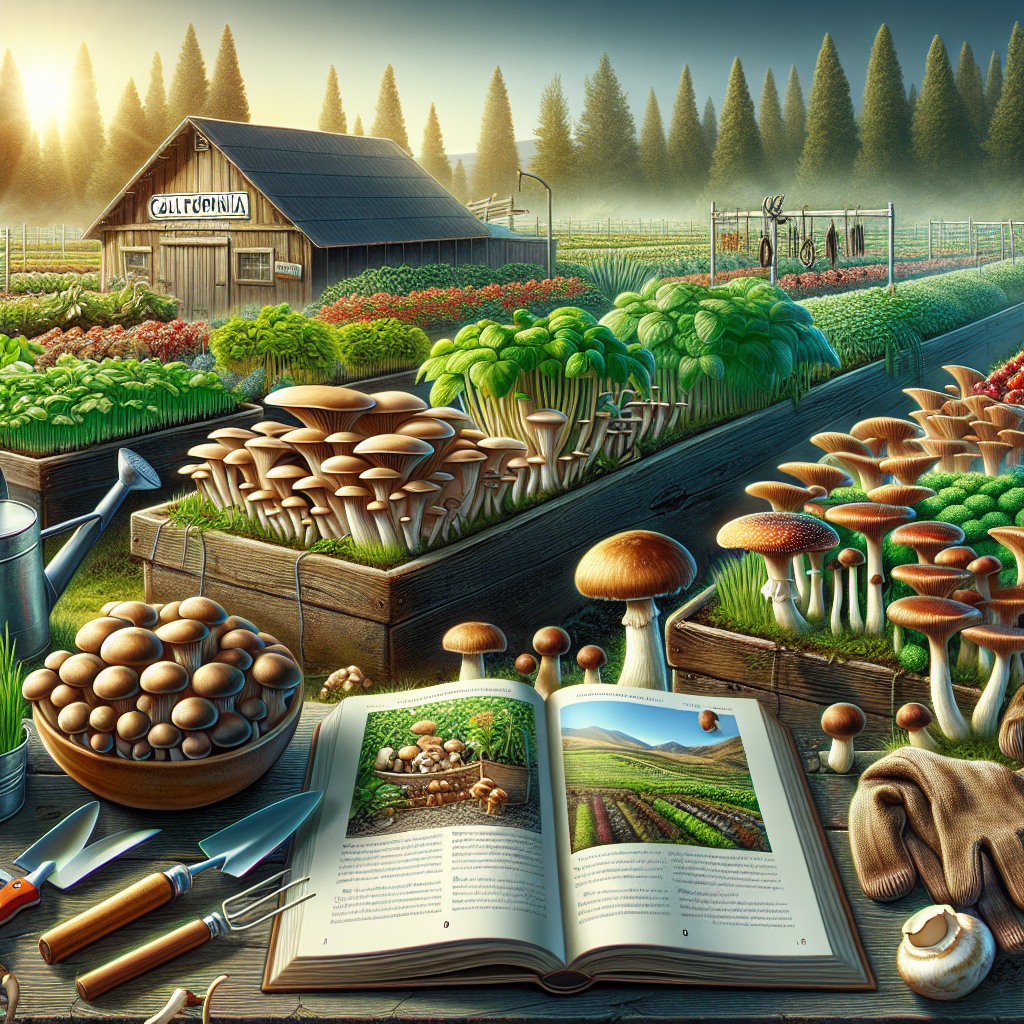
Mushrooms, often seen as elusive culinary wonders or mysterious forest dwellers, are gaining popularity not just for their unique flavors but also for their nutritional benefits and sustainable growing practices. California, with its diverse climate, rich soil, and vibrant agricultural culture, provides a perfect backdrop for mushroom cultivation. In this comprehensive article, we’ll explore everything you need to know about growing mushrooms in California, including the benefits, methods, and the intricacies of the mushroom lifecycle.
Why Grow Mushrooms in California?
Abundant Resources
California boasts a diverse climate that varies from coastal fogs to dry desert heat, creating microclimates ideal for different species of mushrooms. The state’s agricultural industry also supplies ample organic materials such as straw, wood chips, and coffee grounds used in mushroom cultivation.
Nutritional and Culinary Benefits
Mushrooms are incredibly nutritious, offering vitamins, minerals, and antioxidants. They are low in calories and high in dietary fiber, making them an excellent choice for health-conscious consumers. Varieties such as shiitake, oyster, and maitake mushrooms are not only flavorful but have also been linked to various health benefits, including enhanced immune function and potential anti-cancer properties.
Sustainable Agriculture
Mushroom farming is an environmentally friendly agricultural practice. Mushrooms can be cultivated on waste products like sawdust, straw, and agricultural byproducts, reducing waste while producing food. This sustainable approach is particularly appealing in a state like California, known for its focus on environmental conservation.
Getting Started: Questions and Answers about Growing Mushrooms in California
1. What types of mushrooms can be grown in California?
California’s climate allows for the cultivation of a wide variety of mushrooms, including:
- Button Mushrooms (Agaricus bisporus): The most common type, often found in grocery stores.
- Shiitake Mushrooms (Lentinula edodes): Known for their rich flavor and health benefits.
- Oyster Mushrooms (Pleurotus ostreatus): Fast-growing and versatile in cooking.
- Lion’s Mane Mushrooms (Hericium erinaceus): Distinct for its unique appearance and potential cognitive benefits.
2. Where can I grow mushrooms in California?
Mushrooms can be cultivated indoors, outdoors, or in controlled environments. Each method has its benefits:
-
Indoor Cultivation: This allows for year-round growth and control over environmental factors like light, humidity, and temperature.
-
Outdoor Cultivation: Ideal for mushrooms that require natural conditions. It often involves a shaded area, as most species prefer indirect sunlight.
-
Backyard Mushroom Gardens: Many enthusiasts start small in their gardens, using logs or substrate beds to grow various types.
3. What equipment do I need to start growing mushrooms?
Here’s a basic list of equipment and supplies needed:
-
Spores or Spawn: The starting point for cultivation, available for various species.
-
Growing Medium: Depending on the mushroom type, this could be straw, sawdust, coffee grounds, or even logs.
-
Containers: If growing indoors, consider using plastic containers or bags to maintain humidity.
-
Humidity Control: Misters, humidifiers, or terrariums can help maintain adequate moisture levels.
-
Temperature and Light Control: Thermostats and grow lights can provide the right environment.
4. How do I choose the right substrate for my mushrooms?
The substrate is crucial for providing the nutrients your mushrooms need. Common substrates include:
-
Straw: Good for oyster mushrooms and easy to work with.
-
Hardwood Sawdust: Ideal for shiitake and other wood-loving species.
-
Coffee Grounds: Easily accessible and excellent for varieties like oyster mushrooms.
5. What is the mushroom lifecycle?
Understanding the lifecycle of mushrooms is essential for successful cultivation. Here are the main stages:
-
Spore Germination: Spores need moisture and optimal conditions to germinate and form mycelium.
-
Mycelium Growth: The mycelium is the network of fungal threads that colonizes the substrate, breaking down organic material for nutrients.
-
Pinning: Under the right conditions, knots or pins appear as the mycelium transitions into the fruiting stage.
-
Fruiting: These pins develop into mature mushrooms, ready for harvest.
6. How do I maintain optimal growing conditions?
-
Temperature: Most mushrooms thrive between 50°F – 75°F. However, this varies by species, so check the specific requirements.
-
Humidity: Mushrooms require a moist environment. Relative humidity should be kept around 80-90% during the fruiting stage.
-
Airflow: Proper ventilation prevents the buildup of CO2 and supports healthy growth.
7. When should I harvest my mushrooms?
Mushrooms are best harvested just before the caps open fully. This is when they are still firm and flavorful. For example, with shiitake mushrooms, you want to pick them when they are still convex, not flat. Use a sharp knife for clean cuts, and always handle mushrooms gently to avoid bruising.
8. How do I prevent contamination?
Contamination can be a major issue in mushroom cultivation. Here are some best practices:
-
Sterilization: Sterilize substrates and containers to prevent unwanted bacteria and molds.
-
Cleanliness: Work in a clean environment, wash hands, and wear gloves if possible.
-
Monitor Conditions: Keep an eye on humidity and temperature to avoid mold growth.
The Economics of Mushroom Farming in California
Market Demand
The demand for gourmet and specialty mushrooms has grown in California due to the rise in plant-based diets and culinary interest. Restaurants and farmers’ markets often seek locally sourced mushrooms, making this a lucrative venture.
Profitability & Costs:
-
Costs: Starting small can limit upfront expenses. You can spend anywhere from $100 to $500 to set up a small indoor growing system.
-
Profit Margins: Depending on the type of mushrooms grown, prices can range from $5 to $25 per pound at farmers’ markets or direct sales. Specialty varieties, like lion’s mane and shiitake, can demand even higher prices.
Business Considerations
While starting as a hobbyist is a great way to learn, scaling up into a business requires careful planning:
-
Licensing: Check local regulations regarding mushroom sales. Some regions may require permits.
-
Branding: Creating a strong brand and marketing strategy can set your farm apart.
-
Distribution: Explore opportunities with local restaurants, grocery stores, and farmers’ markets.
The Joy of Mushroom Foraging in California
For those who prefer the natural routes, California offers abundant opportunities for mushroom foraging. However, caution is vital. Here are some popular foraging spots and mushrooms to look for:
Notable Foraging Locations
-
California’s Coastal Redwoods: These areas can yield chanterelles and morels.
-
Sierra Nevada Mountains: Known for black trumpets and oyster mushrooms.
Safety First:
Foraging can be exciting, but misidentifying mushrooms can lead to serious health issues. Ensure you have a good guidebook or consider joining a local mycology club.
Tips for Safe Foraging
-
Research: Familiarize yourself with different mushroom species, both edible and toxic.
-
Harvest Responsibly: Only take what you can use, and avoid over-harvesting.
-
Consult Experts: Join guided foraging tours to learn from experienced foragers.
Final Thoughts: Embracing the Mushroom Movement in California
Growing mushrooms in California offers a blend of sustainability, culinary exploration, and potential economic reward. Whether you choose to cultivate them indoors, start a backyard garden, or venture into foraging, mushrooms can enrich your life and contribute positively to the environment.
Encouragement for New Growers
If you’re considering jumping into mushroom cultivation, start small and experiment with different varieties and methods. Join local mushroom clubs or online communities, share experiences, and learn from others. The fascinating world of fungi awaits, offering endless possibilities.
Resources for Mushroom Growers
-
Books: Consider titles like “The Mushroom Cultivator” by Paul Stamets for in-depth techniques.
-
Online Courses: Many universities and organizations offer courses on mushroom cultivation.
-
Local Workshops: Check community centers or agricultural extensions for workshops on mushroom growing.
With the bounty of California at your fingertips, the journey of growing mushrooms can be both rewarding and delicious. Embrace this fascinating endeavor and become part of the mushroom revolution!