
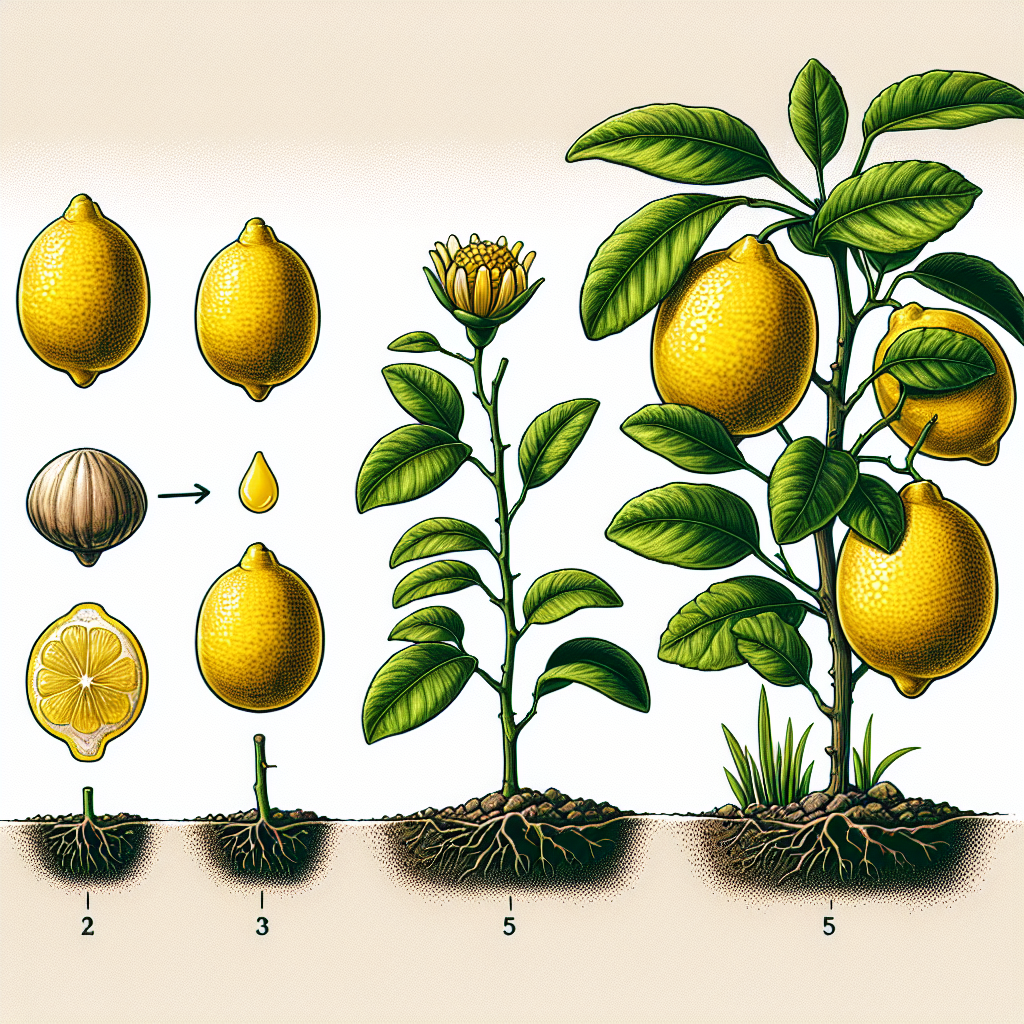
Lemon trees, scientifically known as Citrus limon, are a favorite among home gardeners and commercial growers alike. Not only do they produce one of the most beloved fruits in the world, but they also add beauty and fragrance to any garden. Understanding the various stages of lemon growth can enhance your ability to cultivate these vibrant trees and ensure healthy, bountiful harvests. This article delves deep into the stages of lemon growth, addressing common questions and providing a wealth of information for both novice and seasoned gardeners.
1. Introduction to Lemon Cultivation
Lemons thrive in warm, temperate climates, although they can be grown in containers in cooler regions. They are evergreen trees, characterized by their glossy leaves, delightful blossoms, and aromatic fruit. The journey from seed to fruit involves several stages, including germination, vegetative growth, flowering, and fruit development.
1.1. Why Grow Lemons?
The allure of growing lemons goes beyond their culinary uses. Here are a few compelling reasons to cultivate these citrus gems:
- Culinary Versatility: From lemonade to marinades, lemons enhance dishes with their zesty flavor.
- Nutritional Value: Lemons are high in vitamin C, antioxidants, and offer numerous health benefits.
- Aesthetic Appeal: Lemon trees can add greenery to your garden, along with beautiful white and yellow blossoms.
- Environmentally Friendly: Growing your own lemons reduces the carbon footprint associated with transporting fruits.
2. Stage 1: Seed Germination
2.1. What is Germination?
Germination is the initial stage in the life of a lemon tree, marking the transition from seed to seedling. This process normally occurs when conditions are favorable—adequate moisture, optimal temperature, and suitable light.
2.2. How to Germinate Lemon Seeds
-
Seed Selection: Start with fresh, organic lemon seeds from a healthy lemon fruit. Avoid seeds from hybrid or genetically modified lemons, as they may not germinate properly.
-
Preparation: Clean the seeds thoroughly to remove any pulp, as residual sugars can inhibit germination.
-
Soaking: Soak the seeds in water overnight to encourage swelling and accelerate germination.
-
Planting: Use a well-draining potting soil to plant the seeds about 1/2 inch deep in small pots or seed trays. Keep the soil moist but not soggy.
-
Light and Temperature: Place the pots in a warm location with indirect sunlight, maintaining a temperature between 70°F and 85°F (21°C to 29°C). Using a plastic cover can help retain moisture.
2.3. Common Questions
-
How long does germination take?
Germination generally takes 2-4 weeks, depending on the variety and conditions. -
What if my seeds don’t sprout?
Factors like incorrect moisture levels, temperature extremes, or old seeds can inhibit growth. Be sure to check your growing conditions.
3. Stage 2: Seedling Development
3.1. What Happens During Seedling Development?
Once germination occurs, the seedling begins to develop its first set of true leaves, commonly referred to as “cotyledons.” These leaves are crucial for photosynthesis and energy production.
3.2. Care for Seedlings
-
Watering: Water the seedlings regularly to keep the soil moist but not waterlogged. Overwatering can lead to root rot.
-
Light: Lemon seedlings require bright, indirect sunlight. A south-facing window or grow lights can be optimal.
-
Fertilizing: After a few weeks, you can introduce a balanced fertilizer tailored for young plants, diluting it to half strength.
3.3. Common Questions
-
When should I transplant my seedlings?
Once the seedlings have grown several sets of true leaves and are about 6 inches tall, they can be transplanted into larger pots. -
How do I know if my seedling is healthy?
A healthy lemon seedling has vibrant green leaves, a sturdy stem, and minimal pest activity. Wilting or yellowing leaves can indicate problems.
4. Stage 3: Vegetative Growth
4.1. The Transition to Vegetative Growth
As your lemon tree matures, it enters the vegetative growth stage, where it focuses on developing a robust root system and lush foliage. This stage can last for several months to a few years, depending on the growing conditions.
4.2. Factors Influencing Growth
-
Watering: Continue regular watering, ensuring the soil remains moist. However, allow the top inch of soil to dry out between waterings.
-
Fertilization: Feed your lemon tree with a nitrogen-rich fertilizer during the growing season. This promotes healthy leaf development.
-
Pruning: Lightly prune the tree to encourage bushier growth and remove any dead or diseased branches.
-
Sunlight: Provide at least 8–10 hours of bright sunlight daily to encourage vigorous growth.
4.3. Common Questions
-
How tall can my lemon tree grow?
In ideal conditions, lemon trees can reach heights of 10 to 20 feet. However, potted varieties may remain smaller, around 3 to 6 feet. -
When will my tree start producing flowers?
Expect to see flowers within 3 to 5 years, although some varieties may bloom sooner.
5. Stage 4: Flowering
5.1. The Magic of Flowering
The flowering stage is a delightful and fragrant period when lemon trees produce aromatic white flowers with hints of purple. This stage indicates that your tree is nearing maturity and could soon bear fruit.
5.2. Encouraging Flower Development
-
Pollination: While lemon trees are self-pollinating, you can gently shake the branches to assist in pollination or attract bees and other pollinators by planting companion flowers nearby.
-
Watering: Maintain a consistent watering schedule, ensuring the tree is not stressed from drought.
-
Fertilization: Switch to a fertilizer high in phosphorus and potassium to encourage blooming.
5.3. Common Questions
-
What do flowering lemon trees look like?
Flowers typically bloom in clusters and have a star-like shape. The petals are white with purple streaks and emit a fresh fragrance. -
Will all flowers turn into fruit?
Not all flowers will develop into fruit; it’s normal for some to fall off without maturing.
6. Stage 5: Fruit Development
6.1. From Flower to Fruit
After successful pollination, the flowers will begin to wither, and small green fruits will appear—a process that can take several weeks. As the fruits grow, they will change color from green to yellow over time.
6.2. Care During Fruit Development
-
Watering: Increase your watering slightly since fruiting trees require more moisture to support fruit development.
-
Fertilization: Use a balanced fertilizer every 4-6 weeks during the fruiting season, ensuring adequate nutrients for the growing fruit.
-
Pest Management: Keep an eye out for common pests such as aphids, spider mites, and scale. Neem oil or insecticidal soap can be effective treatments.
6.3. Common Questions
-
How long does it take for lemons to mature?
From the moment of pollination to harvest, lemons typically take 6 to 9 months to mature, depending on the variety. -
What signs indicate my lemons are ripe?
Ripe lemons will be bright yellow, slightly glossy, and firm to the touch, with a fragrant citrus aroma.
7. Stage 6: Harvesting
7.1. Knowing When to Harvest
Harvesting is the final stage, and it’s a rewarding period for both amateur and professional growers.
7.2. How to Harvest Lemons
-
Tools Needed: Use sharp garden shears or scissors to cut the fruit to avoid damaging the tree.
-
Method: Cut the lemon above the stem to ensure a clean detachment.
-
Frequency: Regularly harvest throughout the fruiting season to promote further growth and prevent overloading the branches.
7.3. Common Questions
-
Can I pick lemons before they are completely yellow?
Yes, slightly under-ripe lemons can be harvested for culinary uses, but they may not have the full flavor and tang as fully ripe lemons. -
How should I store my harvested lemons?
Store lemons in the fridge for up to three weeks or keep them at room temperature for a week.
8. Challenges in Lemon Growth
While lemon cultivation can be rewarding, several challenges may arise:
8.1. Common Pests and Diseases
-
Pests: Aphids, whiteflies, and spider mites can affect healthy lemon growth. Regular inspection and treatment with organic pest control can keep these pests at bay.
-
Diseases: Root rot, leaf spot, and citrus greening can pose threats to lemon trees. Proper watering practices and maintaining soil health are essential in preventing these diseases.
8.2. Environmental Factors
- Temperature: Lemon trees thrive in well-drained soil and can be sensitive to extreme temperature changes.
- Humidity Levels: Low humidity can lead to stress in lemon trees, impacting fruit quality.
9. Conclusion
The journey of lemon growth is a delightful and educational experience, from planting the seed to enjoying the fruits of your labor. Understanding each stage—from germination and vegetative growth to flowering and fruit development—can significantly impact your success as a lemon grower. Whether you are planting a single tree in your backyard or managing a larger orchard, paying close attention to your tree’s needs will lead to a satisfying and fruitful endeavor.
In cultivating lemons, not only do you nourish your body with fresh, homegrown produce, but you also foster a deeper connection with nature and an understanding of the intricate processes that sustain life. Cheers to your citrus journey, and may your lemon trees flourish for years to come!