
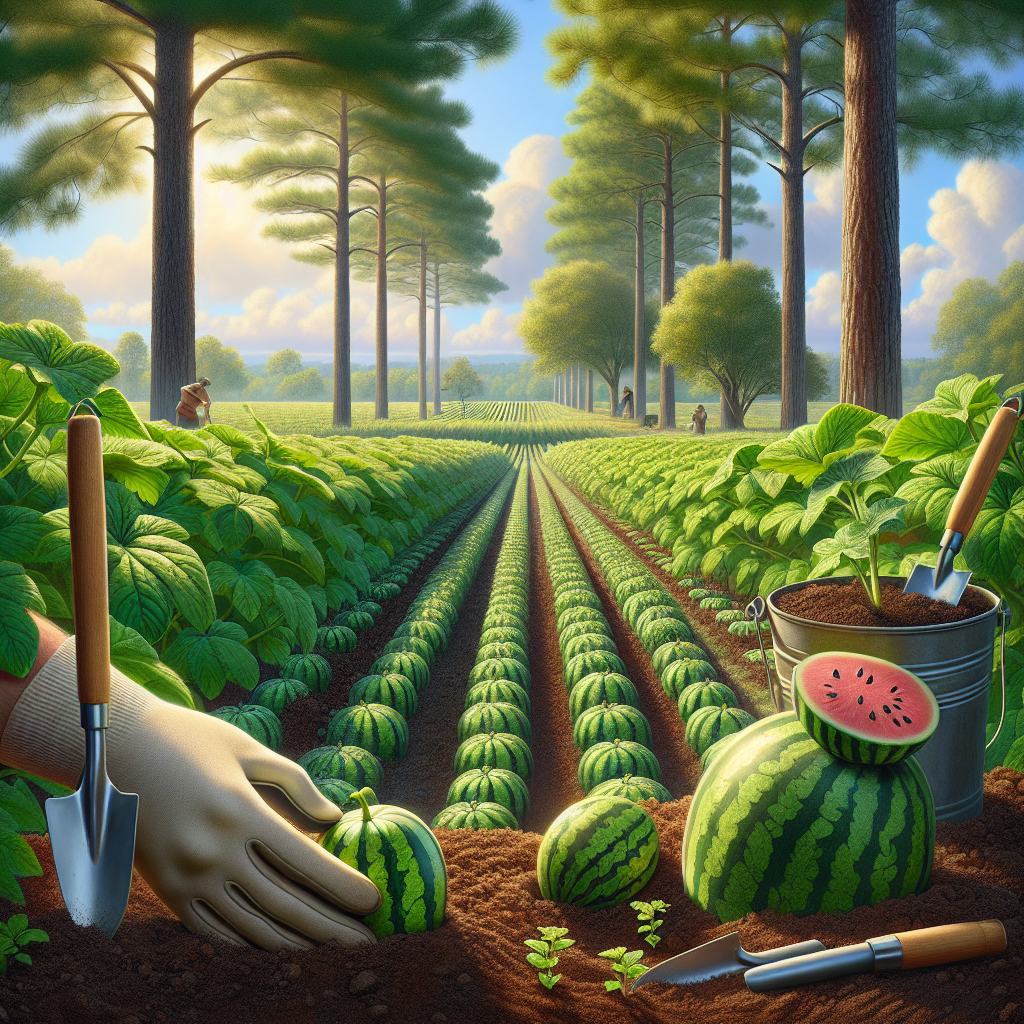
Watermelon, one of summer’s most cherished fruits, brings refreshing sweetness to hot days and is a staple at picnics, barbecues, and family gatherings in Mississippi. But for those eager to grow their own, knowing when to plant watermelon in this humid and subtropical region can be a game changer. This article will dive deep into the intricacies of watermelon cultivation in Mississippi, discuss the optimal planting dates, consider various factors, answer frequently asked questions, and provide tips for ensuring a fruitful harvest.
Understanding Watermelon Varieties
Before diving into when to plant watermelon, it’s essential to understand that there are various watermelon varieties. Some popular varieties include:
-
Seedless Watermelon: These are popular for their convenience and sweet taste. Popular seedless varieties include ‘Triumph’ and ‘Crimson Sweet.’
-
Picnic Watermelon: These are larger watermelons, usually weighing between 15 to 25 pounds. Varieties include ‘Sugar Baby’ and ‘Charleston Gray.’
-
Icebox Watermelon: Small and perfect for storage in refrigerators, these typically weigh under 10 pounds. The ‘Queen of Hearts’ is a well-known icebox variety.
-
Ornamental Watermelon: Not typically for eating, ornamental varieties like ‘Miniature Finger’ add decorative flair to gardens.
Importance of Climate and Soil
Mississippi boasts a warm, humid climate perfect for growing watermelons. However, understanding the local climate’s nuances—like the last frost date, soil temperature, and rainfall patterns—can significantly impact your planting success.
Optimal Planting Dates for Watermelon in Mississippi
When is the Right Time?
The optimal window for planting watermelons in Mississippi generally spans from late March to early June. The exact timing depends on several variables, including:
-
Frost Dates: Watermelons are extremely sensitive to frost. The average last frost date in most parts of Mississippi ranges from mid-March to early April. It is crucial to wait until all chances of frost have passed before planting.
-
Soil Temperature: Watermelons prefer warm soil conditions, ideally between 70°F and 90°F. Soil temperature can generally be monitored with a soil thermometer. Planting while the soil is too cold can stunt growth or result in poor germination rates.
-
Growing Season Length: Mississippi has a long growing season, which is beneficial for watermelons. Typically, watermelons require about 80 to 90 days from planting to harvest. This length allows for ample time to nurture the plants, providing appropriate care ensures that lush, juicy melons are ready for harvesting by mid-summer.
How to Determine the Exact Planting Date
To narrow down your specific planting date within the late March to early June window, consider the following:
-
Local Weather Patterns: Keep an eye on local weather forecasts during spring. Sudden cold snaps can occur, so a week or two of warmer weather after the last frost can be the perfect time to start planting.
-
Soil Preparation: Ensure your soil is ready for planting. You can prepare the soil in early spring by tilling in organic matter and ensuring good drainage. A well-prepared seedbed can often warm up faster than unprepared soil.
Preparing the Soil for Watermelon
Soil Composition
Watermelons thrive best in well-drained, sandy loam soil with a pH ranging from 6.0 to 7.5. Here’s how you can prepare your soil for optimal growth:
-
Testing Soil: Use a soil test to determine pH and nutrient content. This can be done via local extension services or garden centers.
-
Amending the Soil: Based on test results, you might need to amend the soil. Adding compost, well-rotted manure, or other organic materials can enhance nutrient content and improve drainage.
-
Tilling: Tilling the soil breaks up clumps, aerates it, and allows for a healthier root system.
Seedlings or Direct Sowing?
Another consideration is whether to start your watermelons indoors or sow them directly into the ground. Here are the pros and cons of each:
-
Starting Indoors:
- Pros: You can get a jump start on the growing season and choose the healthiest plants.
- Cons: Transplant shock can occur, and timing is critical since your seedlings should ideally go outside after any chance of frost has passed.
-
Direct Sowing:
- Pros: Watermelons do not transplant well, making direct sowing often more successful.
- Cons: Seeds may rot if planted too early in cold soils.
FAQs About Planting Watermelon in Mississippi
1. What if I want to plant watermelon earlier?
If you are eager to get started earlier, you may consider using plastic mulch or row covers. These methods can warm the soil and provide some protection from colder temperatures.
2. Can I grow watermelons in containers?
Yes! Container gardening is an option if you lack space. Choose varieties that are known for their smaller size. Ensure the container is at least 5 gallons to allow for proper root development.
3. How much space do watermelon plants need?
Watermelon plants have sprawling vines that can take up a lot of space. Ideally, each plant should be spaced about 3 to 5 feet apart in a row, with rows 6 to 8 feet apart.
Caring for Watermelon Plants Post-Planting
Once your watermelon seeds are in the ground or your transplants are settled, focus on the following care tips:
Watering
Watermelons have high water requirements, considering they’re approximately 92% water. However, avoiding over-watering is vital as this can lead to rot and other diseases. As a guideline:
- Water deeply but infrequently, allowing the soil to dry out between watering sessions.
- During extreme heat, you may need to adjust your watering to avoid stressing the plants.
Fertilization
Watermelons are heavy feeders. It’s beneficial to apply a balanced fertilizer at planting and then follow up with a fertilizer high in phosphorus (the middle number in an N-P-K ratio) after the plants start to flower. Avoid too much nitrogen; while it promotes leafy growth, it may reduce fruit set.
Pest and Disease Management
Mississippi’s climate fosters many pests that can threaten your watermelon crop, including aphids, cucumber beetles, and beet armyworms. Here are some preventative measures you can take:
-
Row Covers: Use these for early protection against pests when plants are young.
-
Companion Planting: Marigolds and nasturtiums can deter some pests when planted alongside watermelons.
-
Crop Rotation: Avoid planting watermelons in the same spot each year to diminish disease prevalence.
Harvesting Your Watermelons
Knowing when to harvest is just as crucial as knowing when to plant. Here are some tips for determining the perfect time to pick your watermelons:
-
Visual Cues: Look for a uniform, well-rounded shape. The skin should be dull, not shiny. The spot where the melon sits on the ground (the ground spot) should turn yellow.
-
Tendrils: Check the tendrils near the fruit; they should turn brown and dry.
-
Sound Test: When you tap on the watermelon, it should produce a hollow sound—it indicates ripeness.
Conclusion
Planting watermelon in Mississippi offers a rewarding experience, especially when you time it just right and nurture your plants diligently. By considering all the factors we’ve discussed, from ideal planting dates to care techniques and harvesting indicators, even novice gardeners can successfully grow this delicious fruit.
Watermelons not only provide a bounty of sweet, juicy flesh for summer enjoyment but also add a touch of beauty with their sprawling vines and vibrant green leaves. Furthermore, growing your own watermelons can lead to a profound connection with the soil, the weather, and the changing seasons.
As you dig into this delightful gardening journey, remember that patience and care will yield the sweetest rewards. Happy gardening!