
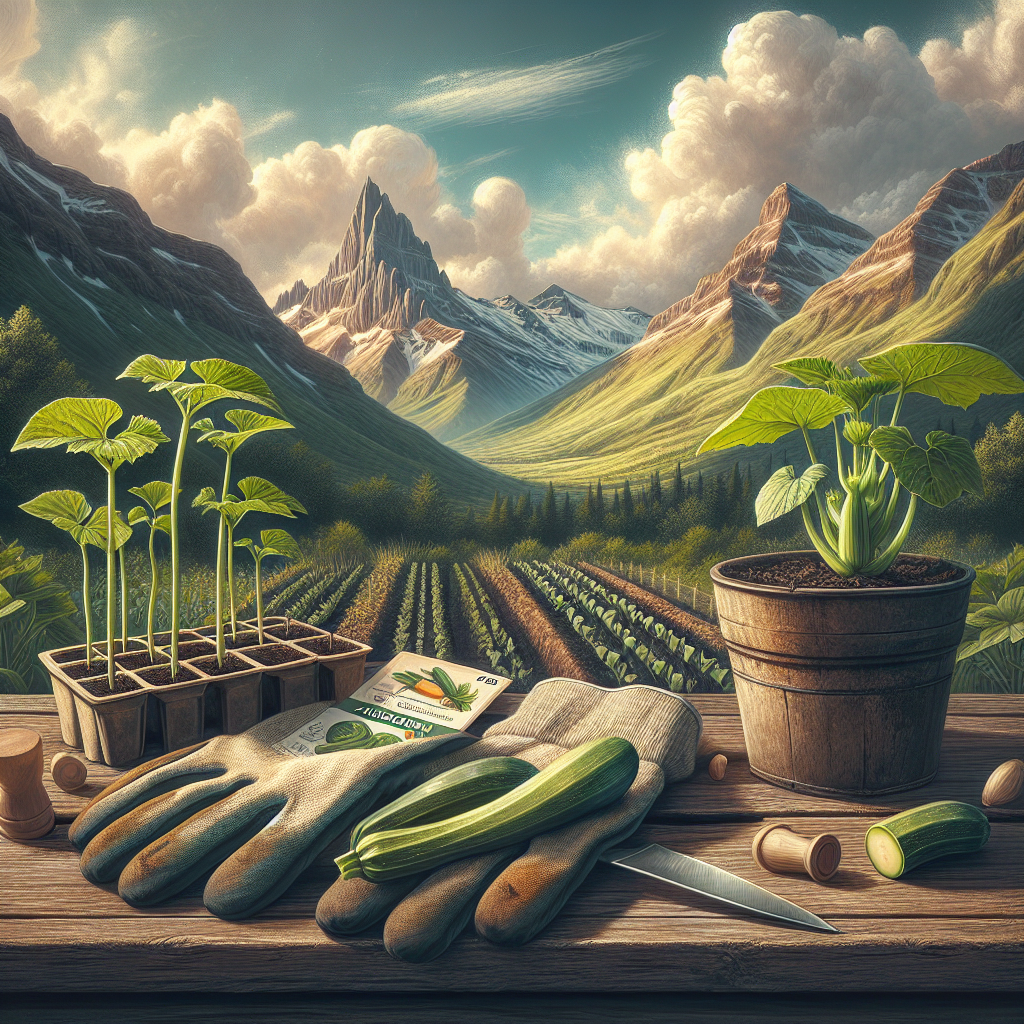
When it comes to home gardening, few vegetables are as rewarding and versatile as zucchini. Known for its vibrant green color, rich flavor, and nutritional benefits, zucchini is a staple in many kitchens. However, successfully growing zucchini in Utah requires understanding the region’s unique climate and soil conditions, particularly timing your planting. This comprehensive guide will delve into when to plant zucchini in Utah, how to care for it, and answer common questions that gardeners may have.
Understanding Utah’s Climate
Utah is notable for its diverse climate zones, which range from arid deserts in the southern part of the state to colder mountain regions in the north. The growing season varies significantly, averaging anywhere from 90 to 150 days based on elevation and geographic location. The USDA hardiness zones in Utah range from 3b to 8a.
Temperature Considerations
Zucchini thrives in warm weather. The ideal soil temperature for planting zucchini is between 70°F and 95°F. Zucchini plants are susceptible to frost, and while they can tolerate some cooler temperatures, exposure to temperatures below 50°F can hinder their growth. Therefore, timing your planting is crucial to avoid any frost risk.
When to Plant Zucchini in Utah
Ideal Planting Dates
- Last Frost Date: Generally, the last frost in northern Utah occurs around mid to late May. In southern Utah, particularly in the lower elevations, you may safely plant as early as mid to late April.
- Soil Temperature: Before planting, ensure the soil temperature is consistently above 70°F. You can use a soil thermometer to check this.
Regional Breakdown
-
Northern Utah (Zones 6a to 6b):
- Planting Time: Late May to early June is ideal for direct sowing. If you want to start seedlings indoors, begin around mid-April.
-
Central Utah (Zones 6b to 7a):
- Planting Time: Mid May is usually a safe time for direct sowing. Seedlings can be started indoors about 3-4 weeks earlier.
-
Southern Utah (Zones 7a to 8a):
- Planting Time: You can begin sowing seeds as early as late April. Starting seedlings indoors can be done around mid-March.
Understanding Your Microclimate
While these dates are useful, it’s beneficial to understand your own microclimate. Factors such as proximity to water bodies, wind patterns, and elevation can impact your growing season. For example, if you live near a lake, you may experience a moderated temperature, potentially allowing for earlier planting.
Preparing for Planting
Soil Preparation
-
Soil Type: Zucchini prefers well-drained, sandy loam soil rich in organic matter. Conduct a soil test to determine the pH and nutrient levels. The ideal pH for zucchini is between 6.0 and 7.5.
-
Fertilization: Incorporate organic matter, such as compost or well-rotted manure, into your soil weeks before planting. This will enrich the soil, providing essential nutrients for young plants.
-
Soil Temperature: As mentioned earlier, ensure your soil is consistently above 70°F before planting.
Choosing the Right Variety
Different varieties of zucchini have varying maturity dates, typically ranging from 50 to 70 days.
- Standard Varieties: These may include ‘Black Beauty’ and ‘Burpless’ zucchini.
- Heirloom Varieties: Such as ‘Costata Romanesco’ offer unique flavors and textures but may require slightly longer growing periods.
Planting Your Zucchini
Direct Sowing vs. Transplanting
-
Direct Sowing: This method is often preferred for zucchini plants. Create hills or mounds spaced about 3-4 feet apart and plant 2-3 seeds in each hill. Thin them to one or two seedlings once they germinate.
-
Transplanting: If you choose to start seeds indoors, use biodegradable pots to minimize root disturbance when transplanting. Harden off seedlings by exposing them to outdoor conditions gradually over a week before planting them in the garden.
Planting Depth and Spacing
- Depth: Sow seeds approximately 1 inch deep.
- Spacing: Plant zucchini plants at least 24 to 36 inches apart to allow for adequate airflow and growth.
Caring for Zucchini Plants
Watering
Water your zucchini plants consistently, especially in the early stages. The goal is to keep the soil moist but not soggy. Aim for about 1-2 inches of water per week, adjusting for rainfall.
Mulching
Applying a layer of organic mulch helps conserve moisture, suppress weeds, and maintain a consistent soil temperature, which is especially beneficial in Utah’s hot summers.
Fertilizing
Once your plants are established, you can apply a balanced fertilizer every few weeks to encourage growth. Look for a fertilizer with a higher potassium content, as it enhances fruiting.
Pest Control
Zucchini is susceptible to several pests:
- Squash Bugs: Monitor for these pests and remove them by hand if spotted.
- Cucumber Beetles: Consider planting companion plants like radishes, which repel these beetles.
- Powdery Mildew: Ensure good airflow around your plants, use resistant varieties, and consider organic fungicides if needed.
Harvesting Your Zucchini
Harvester knows the right time to pick zucchini is essential for squash quality. Zucchini is usually ready for harvest about 50-70 days after planting.
- Harvest Size: Ideally, zucchini should be picked when they are about 6-8 inches long. At this size, they are tender and have a flavor that is irresistible in various recipes.
- Technique: Use a sharp knife or scissors to cut the fruit from the vine, ensuring to leave the stem intact.
Frequently Asked Questions
1. Can I plant zucchini in containers?
Absolutely! Zucchini can thrive in containers. Ensure the pot is at least 5 gallons in size and has good drainage. Place it in a sunny location and ensure you water regularly.
2. What if I miss the planting window?
If you miss the ideal planting window, you can still plant, but be vigilant about protecting your plants from temperature fluctuations. Using row covers can extend your growing season.
3. Can zucchini be grown in partial shade?
Zucchini prefers full sun but can tolerate partial shade. However, be aware that reduced sunlight can lead to smaller yields.
4. How do I know if my zucchini is overripe?
Overripe zucchini can become woody and have large seeds. It’s best to harvest regularly and refrain from letting zucchinis grow too large.
5. How do I store harvested zucchini?
Zucchini is best stored in a cool, dry place or in the refrigerator’s crisper drawer. It usually stays fresh for about a week.
6. Can I save seeds from my zucchini?
Yes, you can save seeds from your zucchini, but choose seeds from healthy, well-formed squash. Keep in mind that cross-pollination can occur if you have multiple varieties in your garden.
Common Mistakes to Avoid
-
Interplanting with Incompatible Crops: While some plants can enhance zucchini growth (like corn or beans), others may compete for nutrients, like tomatoes. Avoid planting them close together.
-
Neglecting to Thin Seedlings: If you’ve sown seeds directly, make sure to thin them once they germinate. Crowded plants can lead to disease and reduced yields.
-
Ignoring Pest Alerts: Keep an eye on your plants. Catching pest problems early can prevent larger infestations.
Conclusion
Planting zucchini in Utah presents an exciting opportunity for home gardeners of all levels. By understanding the state’s unique climate, properly preparing your soil, and following the appropriate care techniques, you can enjoy a bountiful harvest.
Whether you prefer to enjoy zucchini grilled, baked, or in a refreshing salad, the satisfaction of growing your own vegetables is unmatched. The journey from seed to table not only nurtures your body but also cultivates a deeper connection to the land you live on. Happy gardening!