
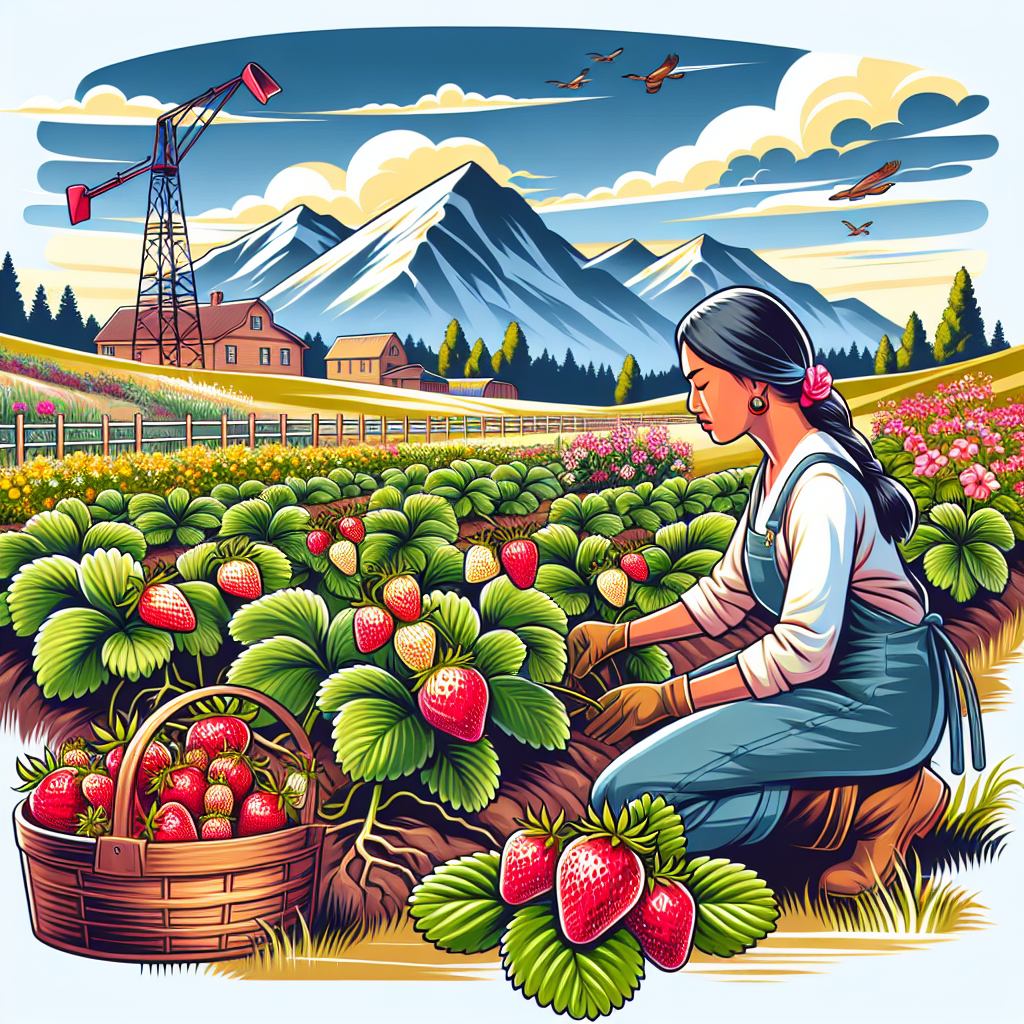
Strawberries are among the most beloved fruits in the world, not only for their sweet and juicy flavor but also for their versatility in the kitchen. Whether enjoyed fresh, in desserts, or as part of savory dishes, strawberries are hard to resist. However, if you’re a Colorado gardener looking to grow your own strawberry patch, understanding the optimal planting timing is essential to ensure a bountiful harvest. In this comprehensive guide, we will delve into everything you need to know about when to plant strawberries in Colorado, answering common questions and offering tips for successful strawberry cultivation.
Understanding the Colorado Climate and Its Impacts on Strawberry Planting
What Makes Colorado Unique?
Colorado boasts a unique climate that sets it apart from other gardening zones in the U.S. With its high elevation, diverse microclimates, and fluctuating weather patterns, Colorado presents both challenges and opportunities for gardeners. The state experiences warm summers, cool winters, and a relatively short growing season, making timing crucial for successful strawberry planting.
USDA Hardiness Zones
Before diving into when to plant strawberries, it’s important to comprehend where your specific location lies in Colorado’s USDA hardiness zones. In general, most of Colorado ranges from Zone 5 to Zone 7, with some areas even reaching Zone 8. These zones guide gardeners on which plants will thrive in their local climates.
- Zone 5: Generally features the coldest temperatures of -20°F to -10°F.
- Zone 6: Has a colder range of -10°F to 0°F.
- Zone 7: Experiences milder temperatures with lows of 0°F to 10°F.
Understanding your zone will help you determine the best strawberry varieties to plant and the best times for planting.
Selecting the Right Strawberry Varieties
What Types of Strawberries Can Be Grown in Colorado?
Strawberries can be categorized into three main types:
-
June-bearing Strawberries: These are the most popular type among Colorado gardeners. They produce a single, large harvest in late spring to early summer—usually from late May through June.
-
Ever-bearing Strawberries: These plants produce two harvests per season: one in late spring and another in late summer or early fall.
-
Day-neutral Strawberries: These varieties can produce berries continuously throughout the growing season, provided conditions are right.
For Colorado’s diverse climate, June-bearing strawberries are often the most reliable choice; however, ever-bearing and day-neutral varieties can be great for extending the harvest period.
When to Plant Strawberries in Colorado
Ideal Planting Times
Spring Planting
- Recommended Timing: Late March to early May is the ideal timeframe for planting strawberries in Colorado.
- Why This Timing?: Colorado often experiences late frosts in April, so it’s important to wait until the risk of frost has significantly decreased. Planting in early spring allows the plants to establish roots before the heat of summer sets in.
Fall Planting
- Recommended Timing: Late August to early September can also be a suitable time for planting strawberries, particularly if you’re aiming for a larger harvest the following season.
- Why This Timing?: Fall planting allows the plants to establish themselves before winter, as they can take advantage of the cool temperatures and increased moisture.
How to Check for Last Frost Dates
Knowing the average last frost date in your area is key for properly timing your strawberry planting. In Colorado, most areas see the last frost date between mid-April to late May. It’s always a good idea to consult local gardening resources or your local extension office for precise dates.
What if I Miss the Ideal Planting Window?
If you happen to miss the perfect window—don’t fret! Strawberries can still be planted later in the season; however, this could affect the yield and the plants’ ability to establish effectively for the following year.
Preparing Your Garden for Strawberry Plants
How to Choose the Right Location
Sunlight Requirements
Strawberries prefer full sun, requiring at least 6-8 hours of direct sunlight daily. Select a location that ensures your plants will receive adequate sunlight, especially during the growing season.
Soil Quality
- Soil Type: Strawberries thrive in well-draining, loamy soil rich in organic matter. They prefer slightly acidic soil (pH between 5.5 to 6.5).
- Preparation Steps: Before planting, test your soil for pH and amend it with organic compost if needed. Consider adding straw or peat moss to improve drainage and provide organic nutrients.
How to Prepare the Bed
Creating an optimal growing bed for strawberries is crucial for maximum yield. Here are some tips for preparing your planting area:
-
Weed Removal: Clear your planting site of weeds and debris to eliminate competition for nutrients.
-
Raised Beds: If your garden soil is heavy clay or poorly draining, consider using raised beds to improve drainage and soil quality.
-
Soil Amendments: Mix in compost or well-rotted manure to provide essential nutrients and improve soil structure.
Planting Strawberries
How Should I Plant My Strawberries?
-
Spacing: When planting strawberries, space June-bearing varieties about 18-24 inches apart in rows that are 3-4 feet apart. Ever-bearing and day-neutral varieties can be planted closer together.
-
Depth: When planting, ensure the crown (the part where the roots meet the stem) is at soil level—planting too deep can lead to rot, while too shallow can expose roots and crowns to harsh elements.
Watering Techniques
Once planted, strawberries require ample moisture to establish roots. It’s best to water them regularly, aiming for about 1-1.5 inches of water per week, particularly during dry spells. A soaker hose or drip irrigation can be effective for maintaining consistent soil moisture without wetting the foliage.
Caring for Your Strawberries
Fertilization
Fertilizing strawberries properly is essential for robust growth. Use a balanced, slow-release fertilizer at the time of planting, then follow up with additional feeding in mid-summer for optimal growth and yield.
Mulching
Applying mulch around your strawberry plants helps retain moisture, suppresses weeds, and keeps berries clean. Straw, pine needles, or wood chips work well as organic mulch options.
Pest and Disease Management
Like any crop, strawberries can face challenges from pests and diseases. Keep an eye out for:
-
Common Pests: Aphids, spider mites, and slugs can all affect strawberry plants.
-
Diseases: Fungal issues such as gray mold or powdery mildew can occur, especially in humid conditions. Ensure your plants have good air circulation and avoid overhead watering to minimize disease risk.
Pruning
When and How to Prune Strawberries
Post-harvest is the best time for maintenance pruning. For June-bearing varieties, after you’ve harvested your last berries, cut back the foliage to about 1-2 inches above the crown. This encourages healthy growth for the next season.
What to Expect After Planting
First-Year Growth
In the first year, most plants will produce a limited amount of fruit. Focus on developing a strong root system rather than overharvesting. It’s often advised to remove flowers from newly planted strawberries in their first season to bolster growth for the following year.
Yearly Harvest Expectations
Once established, you can expect a fruit harvest to be maximized in the second year, particularly with June-bearing varieties. Continue to care for your plants diligently, and you’ll be rewarded with a lush strawberry bounty in subsequent years.
Frequently Asked Questions
Can I Grow Strawberries in Containers?
Yes! Strawberries adapt well to container gardening, which is particularly useful if you have limited garden space. Ensure the container has sufficient drainage holes and use a quality potting mix enriched with organic matter.
How Long Do Strawberry Plants Live?
Strawberries can typically produce well for about 3-4 years, after which the yield may decline. Rotating your strawberry patch and planting new varieties every couple of years can maintain productivity.
How Can I Extend the Harvest Season?
To extend your harvest, consider planting a mix of June-bearing and ever-bearing varieties. This ensures that while one variety may be finished producing, the other will still be yielding berries.
What Should I Do With Leftover Strawberries?
If you find yourself with an abundance of strawberries, consider preserving them through canning, freezing, or making jams and jellies. Dried strawberries can be a delicious snack, too!
Conclusion
Growing strawberries in Colorado can be a rewarding endeavor, provided you pay close attention to the timing and care required for successful cultivation. From understanding the local climate to selecting the right varieties and preparing your garden, each step adds to your potential for a fruitful strawberry patch. With the right planning and diligent care, you’ll be well on your way to enjoying your sweet and succulent homegrown strawberries for years to come. So, roll up your sleeves, head in your backyard, and plant those strawberries—your taste buds will thank you!