
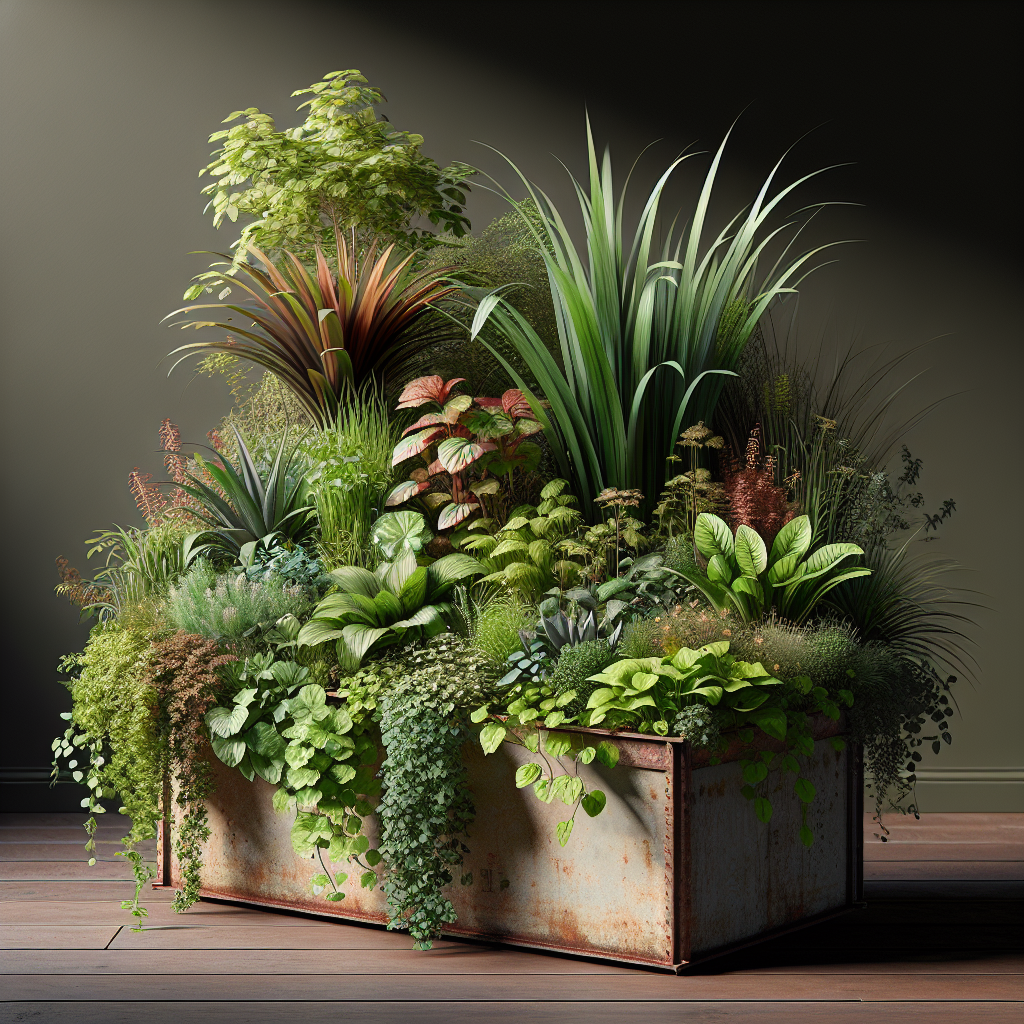
Container bog gardens are an innovative and visually appealing way to bring the lush landscapes of wetlands into our urban and suburban living spaces. Imagine the stunning contrast of unique colors and textures, the gentle sounds of water, and the allure of moisture-loving plants right outside your door. Whether you have a spacious backyard or a small balcony, creating a bog garden in containers can add beauty, biodiversity, and tranquility to your environment. In this comprehensive guide, we will explore the essential aspects of designing and maintaining a container bog garden, focusing on the types of plants that thrive in such environments, care tips, and a wealth of information to inspire your gardening journey.
What Is a Container Bog Garden?
A container bog garden is a water garden in a pot or container that simulates a natural wetland environment. These gardens typically consist of moisture-loving plants, such as orchids, ferns, and carnivorous plants. Unlike standard pots, the unique setup allows for increased water retention, mimicking the saturating conditions of a bog.
Why Choose a Container Bog Garden?
- Space-Efficient: Even if you live in an apartment with limited outdoor space, container bog gardens can thrive on balconies, patios, and terraces.
- Aesthetic Ambiance: These gardens add a refreshing touch of green and vibrant color, creating an oasis of aesthetic beauty that can also attract beneficial wildlife such as butterflies and frogs.
- Eco-Friendly: A container bog garden supports biodiversity by promoting habitats for various plant and animal species, including pollinators.
- Unique Plants: One of the exciting aspects is the variety of unusual and exotic plants you can cultivate, many of which might not thrive in standard garden settings.
Planning Your Bog Garden: Key Considerations
1. Selecting the Right Containers
Choosing the right container is crucial for the success of your bog garden. Here are some factors to consider:
- Material: Containers should ideally be made of porous materials (like clay or ceramic) that allow for the evaporation of excess moisture. Avoid sealed containers unless you implement adequate drainage systems.
- Size: Depending on the plants you choose, containers can range from small pots to large barrels. Larger containers offer more stability for plant roots and require less frequent watering.
- Drainage: While bog gardens need to be wet, proper drainage is equally important to avoid rotting roots. Ensure the container has holes at the bottom, and consider adding a layer of gravel to help with excess water drainage.
2. Location, Location, Location!
Where you place your bog garden significantly impacts your plants’ success. Most moisture-loving plants appreciate full sun to partial shade. Observing sun patterns in your chosen space will help you determine the best location.
- Sunlight: Most bog plants thrive with at least 6–8 hours of sunlight a day, though certain ferns and shade-tolerant plants will do well in less light.
- Accessibility: Choose a location that’s convenient for regular maintenance and watering. An accessible spot will also allow you to quickly admire and enjoy your bog garden.
3. Understanding the Moisture Levels
A bog garden’s essence is its ability to retain moisture. Understanding this fundamental aspect is crucial for your plants’ health.
- Watering: The water level should be maintained consistently high, usually about 1–2 inches above the soil line.
- Water Quality: Use dechlorinated water or rainwater when possible, as tap water can adversely affect sensitive bog plants.
4. The Right Soil Mix
Bogs require a special soil mix to replicate their natural environment:
- Peat-based Mix: Start with a mixture containing peat moss, perlite, and sand. This combination improves moisture retention and drainage.
- Acidity: Many bog plants prefer acidic environments. You can achieve this by adding peat moss or using specially formulated acidic soils available at gardening centers.
Choosing the Perfect Plants for Your Container Bog Garden
Selecting the right plants is the most exciting part of creating your container bog garden. Below are some categories of plants suitable for such gardens, including descriptions, growing tips, and interesting insights.
1. Carnivorous Plants
Carnivorous plants not only add an exotic look but also showcase unique adaptations to nutrient-poor environments. They trap insects to meet their nutrient requirements.
- Examples:
- Sundews (Drosera): These plants feature glandular hairs on their leaves that secrete a sticky substance to trap insects. They flourish in sunlight and typically grow in a sandy peat mix.
- Pitcher Plants (Sarracenia): Known for their tubular shape, pitcher plants lure insects into their deep cavities filled with water. Perfect for full sun, they thrive in moist conditions and show stunning flowers in late spring.
2. Wetland Grasses
Grasses provide a soft, flowing look while being hardy and low maintenance. Their roots help stabilize the soil and capture nutrients.
- Examples:
- Soft Rush (Juncus effusus): This grass can handle moist soil and even some standing water. It’s erosion-resistant and attracts wildlife.
- Blue Flag Iris (Iris versicolor): Featuring stunning purple flowers, this iris thrives in consistently wet soil and adds a vibrant pop of color to your garden.
3. Ferns
Ferns bring lush greenery and texture to your garden and are often used as understory plants in mixed plantings.
- Examples:
- Royal Fern (Osmunda regalis): This majestic fern prefers consistently wet conditions and can grow tall, providing a woodland vibe to your container garden.
- Sensitive Fern (Onoclea sensibilis): Known for its resilience, it can thrive in shady spots and enjoys moist soil.
4. Mosses and Liverworts
Mosses and liverworts are excellent choices for ground cover and add a soft touch to your bog garden.
- Examples:
- Sphagnum Moss: Commonly used in bog gardens, it helps retain moisture and creates a soft, lush ground cover.
- Creeping Thyme Liverwort (Marchantia polymorpha): This liverwort creates a carpet-like ground cover, especially effective in shady areas of your garden.
5. Flowering Plants
Incorporating flowering plants in your bog garden will attract pollinators and provide a visual focal point.
- Examples:
- Tiger Lily (Lilium lancifolium): This vigorous grower features stunning orange flowers and can tolerate wetter conditions.
- Cardinal Flower (Lobelia cardinalis): Known for its brilliant red flowers, this plant blooms in mid-summer and thrives in moist to wet soil.
Maintenance Tips for Your Container Bog Garden
Creating a bog garden is just the beginning; regular maintenance is key to its longevity and beauty.
1. Watering
As mentioned earlier, keep your container consistently moist but not waterlogged. Check the soil regularly, especially during hot and dry seasons, to ensure it retains the necessary moisture levels.
2. Fertilizing
Unlike traditional gardens, bog gardens thrive in nutrient-poor conditions. Over-fertilizing can be detrimental. Use slow-release fertilizers sparingly, if at all. For carnivorous plants, it’s generally better to rely on their natural diet of insects for nutrients.
3. Pruning and Deadheading
Regularly prune dead leaves and maintain the shape of your plants. For flowering plants, deadheading spent blooms can encourage additional flowering and promote growth.
4. Pest Control
Keep an eye out for pests, as the moisture can attract aphids and other insects. Most can be controlled with insecticidal soap or neem oil, but it’s essential to check your plants regularly for signs of infestations.
5. Winter Care
In regions with cold winters, consider bringing the container indoors or insulating it. Many bog plants are hardy, but the deeper roots of larger containers can be vulnerable to freezing conditions.
Common Questions About Container Bog Gardens
1. can I use regular potting soil for a container bog garden?
Regular potting soil often contains fertilizers and poorly retains moisture, making it unsuitable for bog gardens. A specialized peat-based mix will work better.
2. How can I increase humidity around my bog garden?
Container bog gardens generally retain moisture well. However, adding a layer of rocks or pebbles around the base of containers can create a micro-humid environment, benefitting humidity-loving plants.
3. Can I plant non-native species in my bog garden?
While non-native species may thrive in terms of growth, consider their potential environmental impact as they can disrupt local ecosystems.
4. How do I know if my plants are getting enough water?
If leaves appear droopy or start browning, the plant may need more moisture. Additionally, if the soil feels dry to touch, it’s time to water.
5. Can I make a container bog garden without a water source nearby?
Yes! You can maintain a self-sufficient bog garden using a rain barrel or simply by manually managing water levels.
Conclusion
Creating a container bog garden offers a captivating journey into the intricacies of wetland ecosystems right at your doorstep. With a touch of creativity and a bit of care, you can craft a stunning oasis that provides beauty, tranquility, and a sanctuary for wildlife. With the right selection of plants, careful planning, and ongoing maintenance, your bog garden can thrive for years, enhancing the diversity of your garden space while they support your local ecosystem. Dive into the world of bog gardening; you might discover that gardening can be as much about creating art as it is about cultivating plants!