
Introduction
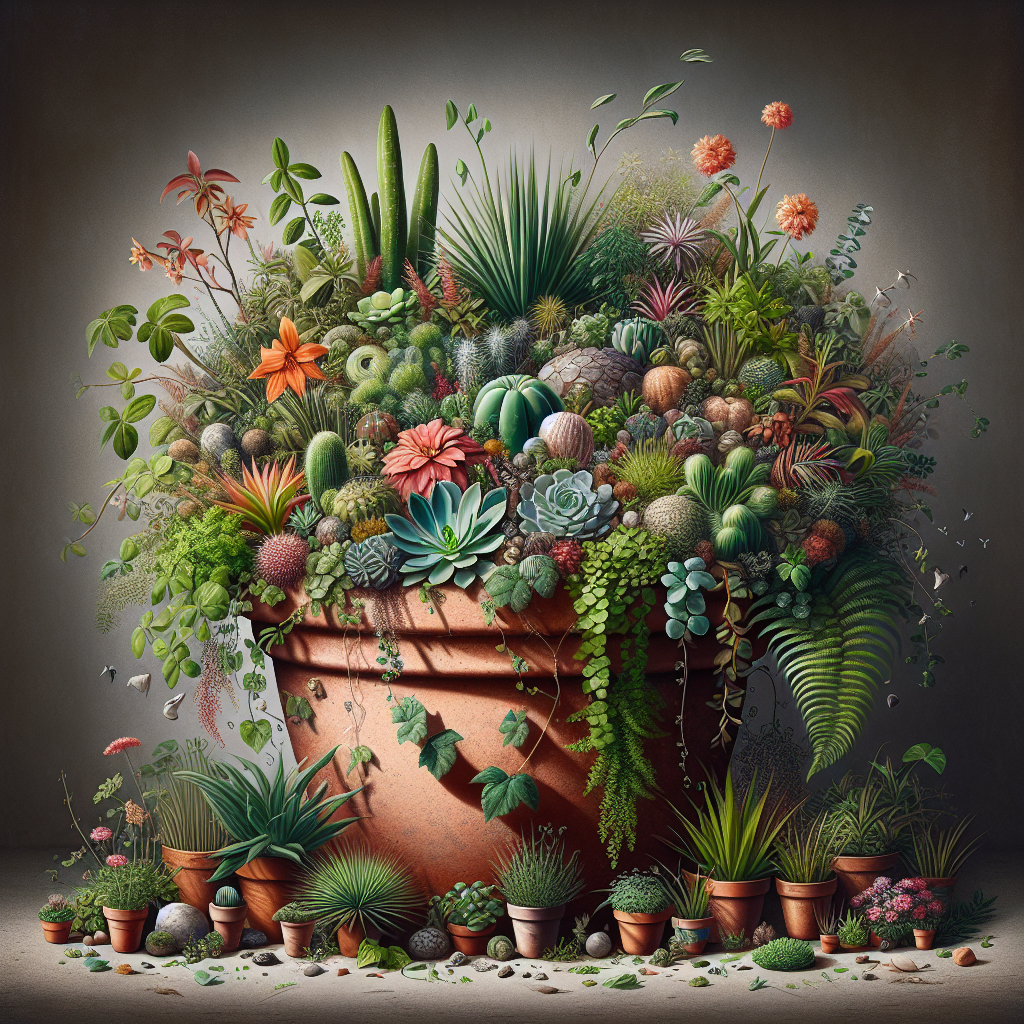
When we think of indoor gardening or outdoor landscaping, the aesthetic appeal often takes center stage. But behind every thriving plant display is a careful balance of horticultural principles and artistry. One common question that arises for both novice and experienced gardeners is: “How many plants can I put in one pot?” The answer isn’t straightforward, as it depends on a variety of factors, including the type of plants, their growth habits, and the pot size.
In this in-depth article, we will explore the intricacies of multi-plant pots. We’ll delve into considerations such as plant compatibility, pot size, growth patterns, and maintenance, alongside answering common questions to help you optimize your gardening experience.
Understanding the Basics: Pot Size and Plant Growth
1. The Importance of Pot Size
Pot size is one of the most critical factors to consider when adding multiple plants into one container. A pot that is too small can limit root growth, leading to stunted plants and lower overall health. Conversely, a pot that is overly large can lead to poor drainage and root rot.
Recommended Pot Sizes for Multiple Plants
- Small Pots (4-6 inches): Best for smaller, slow-growing plants or herbs such as succulents, herbs, or small flowering plants. Typically, you can fit 1-2 plants comfortably.
- Medium Pots (8-12 inches): Suitable for moderate-sized plants, a medium pot can accommodate 3-5 smaller plants or 1-2 larger plants. Think of plants like peace lilies or snake plants.
- Large Pots (14 inches and above): For larger varieties or plants with extensive root systems, a large pot allows for 5-10 smaller plants or 2-4 larger specimens. This includes varieties such as ferns, philodendrons, or a combination of flowering plants.
2. Root Depth and Spread
Understanding how roots grow and spread is essential. The root systems of plants can range from shallow to deep, and some plants have expansive networks of roots while others have compact root systems.
Questions to Consider:
-
How deep do the roots need to go?
Some plants, such as tomatoes and carrots, require deeper pots because they develop long taproots. Others, like many herbs, can thrive with shallow roots. -
How wide do the roots spread?
Certain plants, such as bamboo, can have aggressive lateral roots that compete for space with adjacent plants.
Plant Compatibility
1. Companion Planting
Some plants thrive alongside each other, while others can hinder each other’s growth. Understanding compatibility is vital for successful multi-plant arrangements.
What is Companion Planting?
Companion planting is the practice of growing different plants close together for mutual benefit. This can include pest reduction, improving nutrient uptake, and stabilizing growth patterns.
Examples of Compatible Plants:
- Herbs: Many herbs, like basil, cilantro, and chives, can thrive together due to similar water and light requirements.
- Flowers: Marigolds can deter pests when planted with vegetables like tomatoes.
- Succulents: Most succulents can coexist due to their similar drought-resistant needs.
2. Plant Size and Growth Rate
When arranging plants in one pot, consider their mature size and growth rate.
Questions to Consider:
-
Will one plant outgrow the others?
If you mix fast-growing plants with slow growers, the faster plant may overshade or outcompete the slower one for resources. -
Can they share nutrients without conflict?
Some plants are heavy feeders, while others are light feeders. Understanding these needs is crucial in creating a harmonious growing environment.
Environment and Care
1. Light Conditions
Different plants have varying light requirements, which can significantly influence how many can thrive in one pot.
Questions to Consider:
- Do all plants require the same amount of sunlight?
Plants with different light needs may not fare well together in one pot. For example, combining sun-loving plants with shade-tolerant ones can lead to unhealthy plants.
2. Watering Requirements
Watering needs can also differ dramatically among plant species.
Understanding Water Needs
- Drought-resistant vs. Moisture-loving: Plants like succulents can be adversely affected in a pot shared with moisture-loving plants. It’s essential to group plants with similar watering needs.
3. Nutrient Needs
Another vital factor is the nutrient requirements of the plants being grown together.
How to Manage Nutrient Requirements
- Using a high-quality potting mix can create a balanced environment for diverse plants. Organic fertilizers can help replenish nutrients as they are depleted.
Practical Steps for Arranging Multi-Plant Pots
1. Planning
Before you plant, spend some time on planning. Consider the traits of each plant and how they will interact within their shared space.
Questions to Consider:
- What is the height and width of each plant?
- Are there cascading plants that can drape over the sides of the pot?
- How will the colors and textures complement each other?
2. Layering Plants by Size
When planting in a single pot, a great strategy is to layer plants by size; placing shorter plants in the front and taller plants in the back or center (if the pot can be approached from all sides).
3. Creating a Focal Point
To create visual interest, select a focal point plant, which typically would be the tallest or most distinct-looking plant, and arrange the other plants around it.
Maintenance and Care for Multi-Plant Pots
1. Watering Schedule
Establishing an appropriate watering schedule is crucial. Observe your plants closely, as they can give you clues about their water needs.
How to Water Multi-Plant Pots
- Check moisture levels: Stick your finger into the soil to check the moisture before watering.
- Adjust according to the season: Plants may need more water in summer and less in winter.
2. Fertilization
Fertilizing becomes a balancing act when combining different plants with varied nutrient requirements.
New Trends: Organic and Slow-Release Fertilizers
Many gardeners are now opting for organic options like compost tea, which can provide a steady stream of nutrients compatible with a wide variety of plants.
3. Pruning and Maintenance
As plants grow, they will require regular pruning to manage their health and appearance.
Tips for Pruning Multi-Plant Pots
- Regularly remove dead leaves and flowers to encourage new growth and prevent disease.
- Assess plant spacing often to ensure that no plant overshadows another.
Troubleshooting Common Issues
1. Pests and Diseases
Plant companionship doesn’t guarantee immunity against pests. Vigilance is vital.
What to Look For:
- Aphids, mealybugs, and spider mites can affect multiple types of plants.
- Different plants may need various strategies for pest management, so keeping a close eye can save you trouble down the road.
2. Nutrient Deficiencies
Signs of deficiencies can manifest in various ways, such as yellowing leaves or poor growth rates.
How to Diagnose:
- Identify which plant is showing signs of distress and research its specific nutritional needs. Amend your care strategies accordingly.
Conclusion
Gardening in multi-plant pots is both an art and a science. While you’re encouraged to explore your creativity and design arrangements that please your eye, make sure to ground your choices in scientific understanding. The number of plants you can place in one pot is influenced by their compatibility, growth habits, and environmental needs.
By considering pot size, plant compatibility, watering, light, and growth patterns, you can create vibrant, healthy arrangements that illuminate your space and flourish under your care. Ultimately, there is no one-size-fits-all answer to how many plants can thrive in one pot, but through observation and practice, you can find the perfect balance for your unique gardening situation. Happy planting!