
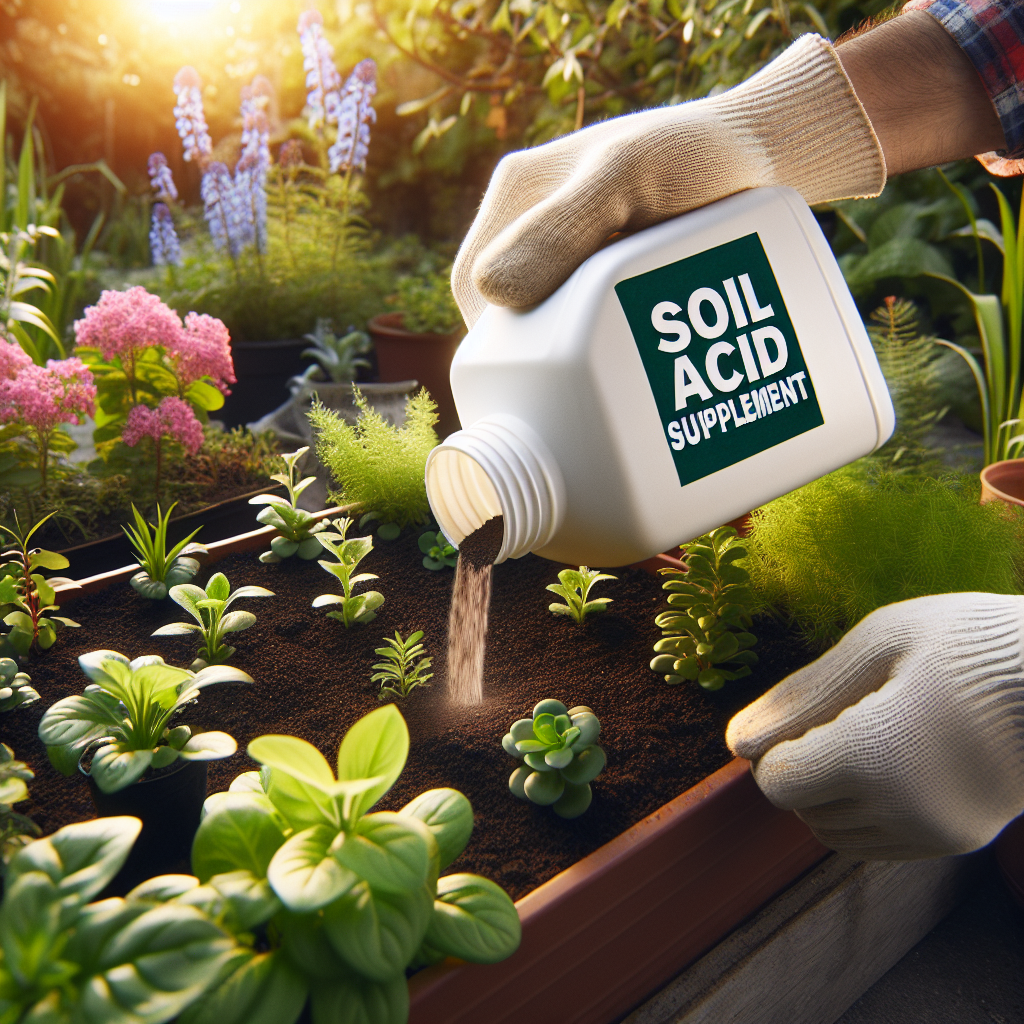
Having the right pH balance in your garden soil is crucial for nurturing healthy plants. Many plants thrive in slightly acidic soil (pH 6.0 to 6.8). If you suspect your soil is too alkaline, this article will guide you through the process of acidifying your garden soil effectively.
What Is Soil pH and Why Is It Important?
Soil pH measures the acidity or alkalinity of the soil ranging from 0 to 14. A pH of 7 is neutral, below 7 is acidic, and above 7 is alkaline. The soil’s pH influences nutrient availability, microbial activity, and overall plant health.
Why Do Some Plants Prefer Acidic Soil?
Certain plants, like blueberries, azaleas, and rhododendrons, thrive in acidic conditions because of their evolved preference for environments where their nutrient needs are optimally met. For example, iron and manganese—critical nutrients, especially for acid-loving plants—are more available in lower pH environments.
How Can You Test the pH of Your Garden Soil?
Before you begin adding acidity to your soil, it’s essential to know your starting point. Here are a few methods:
1. DIY Home Testing Kits
- Purchase a pH Test Kit: These are widely available at garden centers and online. They usually come with a set of easy-to-follow instructions.
- Testing Strips: These strips change color based on pH levels and can be used with soil samples mixed with water.
2. Professional Soil Testing
For the most accurate results, consider sending a soil sample to a local agricultural extension office. They often offer comprehensive testing services that include pH levels, nutrient density, and organic matter content.
3. Using Household Items
You can also conduct a simple DIY test with vinegar and baking soda. Place a small amount of soil in a bowl and add vinegar. If it fizzes, you have alkaline soil. Conversely, add water to another sample and then baking soda. If it fizzes, you yield acidic soil.
Frequently Asked Questions
1. What Are the Symptoms of Alkaline Soil?
Plants in alkaline soil often show nutrient deficiencies, particularly yellowing leaves, stunted growth, and poor flowering or fruiting.
2. How Can I Adjust the pH of My Soil?
You can add various substances to lower the pH. Some popular options include:
- Sulfur: A commonly used soil acidifier. It converts to sulfuric acid in the soil, reducing pH over time.
- Organic Matter: Incorporating organic materials like pine needles, sawdust, or compost can naturally lower soil pH.
- Acidic Fertilizers: Fertilizers like ammonium sulfate and urea acidify the soil while providing essential nutrients.
3. How Much Acidifier Should I Use?
The quantity typically depends on your soil type and the amount needed to lower your pH to the desired level. A general recommendation is to start with a small amount (around 1-2 pounds of sulfur per 100 square feet) and retest the soil after a few months.
4. When Is the Best Time to Add Acid?
The most suitable time for soil acidification is before planting in the spring or during the fall, giving the amendments enough time to adjust pH levels.
Step-by-Step Guide on How to Acidify Your Soil
Step 1: Plan and Prepare
-
Select Acid-Loving Plants: Identify plants that thrive in acidic soil. Common choices include:
- Blueberries
- Camellias
- Gardenias
- Cranberries
- Ferns
-
Gather Your Tools and Supplies: You will need:
- Soil pH test kit
- Organic matter (like compost or pine needles)
- Elemental sulfur or acidic fertilizers
- A shovel and a rake
Step 2: Test Your Soil
Using one of the methods described above, determine your soil’s current pH level. This will establish your starting point and guide your acidification efforts.
Step 3: Determine Your Needs
Using a pH chart, you can gauge how much you need to lower your pH based on the number you got. For example:
- If your soil is at pH 8.0 and you want to lower it to around 6.0, you will likely need to incorporate 4-5 pounds of sulfur per 100 square feet of soil.
Step 4: Choose Your Acidifying Agent
Elemental Sulfur
- Application: Spread the sulfur evenly across the garden bed.
- Incorporation: Work it into the soil to a depth of about 6 inches.
Organic Matter
- Method: Mix in organic materials like pine needles or compost. Not only do they contribute to acidity, but they also improve soil structure, drainage, and nutrient content.
Acidic Fertilizers
- Application: Apply according to the manufacturer’s instructions, ensuring you follow any necessary precautions.
Step 5: Monitor and Maintain
- After the initial application, it is essential to retest your soil after a few months. This allows you to gauge the effectiveness of your acidifying methods.
- If the pH is still high, consider repeating the process.
Step 6: Time and Patience
Soil acidification is not an overnight process. It may take several months to impact the soil’s pH significantly. Keep an eye on your chosen plants to see how they are responding.
Additional Tips and Tricks
-
Mulching: Use pine bark or needles as mulch around plants. They gradually break down, providing a slow source of acidity.
-
Liquid Soil Acidifiers: Products like sulfuric acid or aluminum sulfates can be utilized for immediate, short-term solutions but be cautious about the long-term effects they may have on soil health.
-
Rotation and Diversity: Rotate your crops and diversify your planting strategy to ensure long-term soil health and maintain a balanced pH.
-
Observe Weather Patterns: Natural rainwater is slightly acidic (pH around 5.6) and can help lower soil pH over time. Regions with more acid rainfall may see slower changes.
-
Mycorrhizal Fungi: Partnering with mycorrhizal fungi can help plants absorb nutrients efficiently, even in less-than-ideal pH levels.
Common Mistakes to Avoid
-
Over-Acidifying: It’s crucial not to overdo it. Soil pH changes should be gradual. Rapid changes can harm beneficial microbes and plant roots.
-
Ignoring Other Factors: Soil texture, drainage, and structure also contribute to plant health. Acidifying is just one part of a balanced approach to gardening.
-
Neglecting Additional Amendments: Acidifying agents can remove essential nutrients. It is crucial to supplement with organic matter to ensure a holistic approach to soil health.
Conclusion
Acidifying your garden soil might initially seem like a daunting task, but with the proper knowledge and tools, you can create an optimal environment for your plants to thrive. Remember, gardening is an evolving practice, and patience is key. By continuously monitoring, testing, and adjusting your soil, you can develop a vibrant garden full of flourishing, acid-loving plants. Happy gardening!