
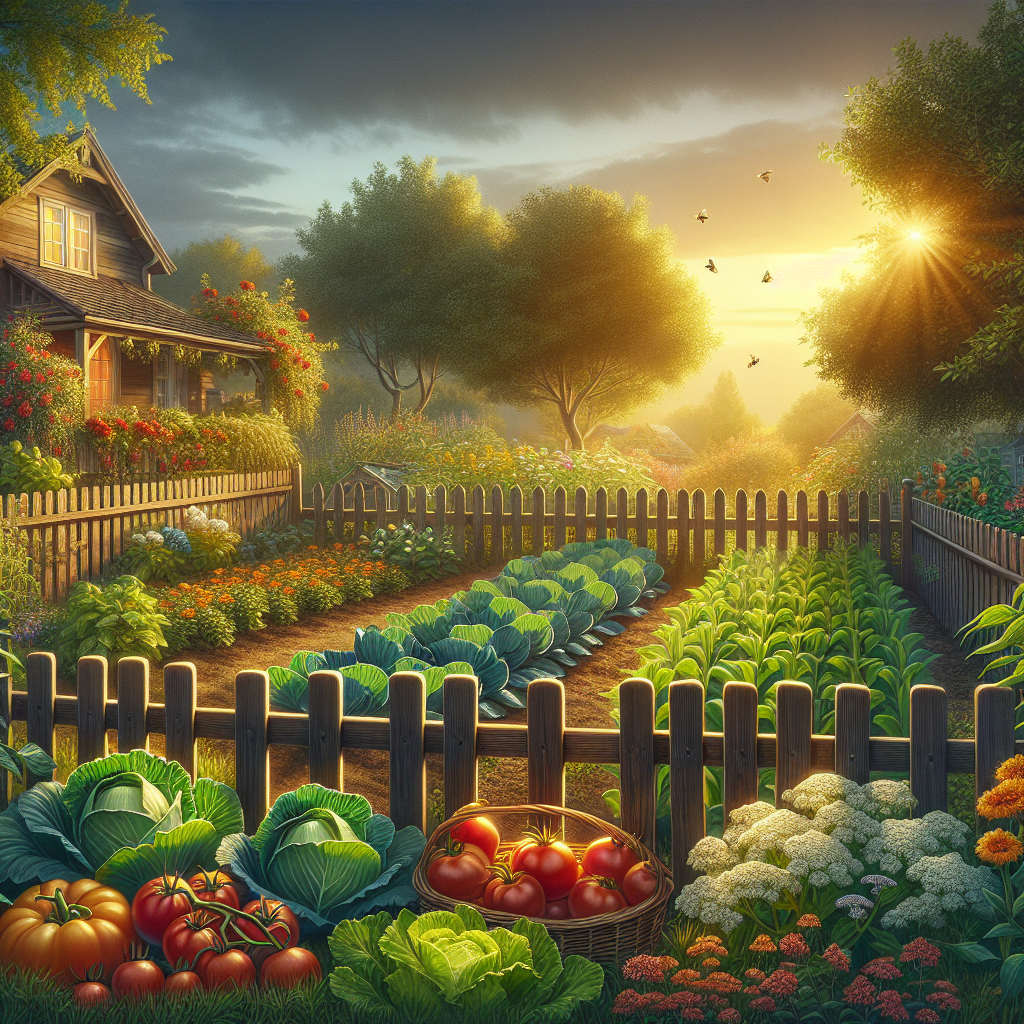
Creating a fenced vegetable garden is not just a simple endeavor; it’s an enriching activity that intertwines nature, nourishment, and community engagement. In this comprehensive guide, we will explore the multifaceted benefits of fenced vegetable gardens, practical advice on setting one up, and answers to common questions asked by aspiring gardeners. Whether you’re a seasoned horticulturist or a novice picking up a trowel for the first time, this article will provide you with valuable insights.
What is a Fenced Vegetable Garden?
A fenced vegetable garden is, at its core, a designated patch of land reserved for growing edible plants, protected by fencing. This enclosure serves multiple purposes, including safeguarding plants from pests, providing structure to the growing area, and creating a dedicated space that encourages both gardening and outdoor activities.
Why Consider a Fenced Vegetable Garden?
-
Protection from Wildlife: One of the most significant advantages of a fenced garden is the protection it offers from animals. Deer, rabbits, and other critters can quickly decimate a garden if they gain access. A fence can deter these critters, allowing your plants to thrive.
-
Pest Control: In addition to physical barriers, a fence can help control insect populations. Certain fences can be designed with netting or mesh to prevent insects from entering, reducing the need for chemical pesticides.
-
Soil Conservation: A fenced garden provides a dedicated space where you can maintain soil health through continuous planting cycles and the use of organic matter. This can significantly improve the quality of your garden’s soil over time.
-
Enhanced Aesthetics: A well-maintained fenced garden can be an eye-catching addition to your home landscape. Choices in color, material, and design can elevate your outdoor space, making it not only functional but beautiful.
-
Community Engagement: Fenced gardens can serve as spaces for community gardening initiatives. Such spaces foster relationships among neighbors as they share skills, seeds, and stories.
How to Start a Fenced Vegetable Garden
-
Choosing Location: When selecting a location for your garden, consider sunlight, water access, and proximity to your home for convenience. Ideally, your garden should have at least 6 to 8 hours of direct sunlight.
-
Designing the Fence: The type of fence you choose will depend on the types of animals in your area. Common options include:
- Wood Fencing: A classic choice that offers both durability and aesthetic appeal.
- Metal Fencing: Chain link or welded wire adds a modern touch and can be quite sturdy.
- Garden Netting or Mesh: Excellent for keeping out smaller pests like rabbits, while allowing pollinators like bees to access your plants.
-
Preparing the Soil: Test your soil for pH and nutrients. This information will guide whether you need to amend your soil. Remove debris and weeds, and consider layering organic matter like compost.
-
Choosing Plants: Start with easy-to-grow vegetables such as tomatoes, lettuce, and peppers. As your gardening skills improve, you can diversify your selections with herbs and more challenging plants.
-
Planning for Watering: Determine how you will irrigate your garden. Options include traditional watering cans, soaker hoses, or drip irrigation for more extensive setups.
-
Garden Layout: Create rows or raised beds depending on the space and your preferences. Raised beds can enhance drainage and make it easier to manage your plants.
Maintenance of a Fenced Vegetable Garden
Regular maintenance is crucial for ensuring the longevity and productivity of your fenced vegetable garden. This includes:
-
Weeding: Establish a routine to remove weeds that compete for nutrients and water.
-
Pest Monitoring: Regularly check for signs of pest infestations. Early intervention can save your plants.
-
Pruning: Keep plants well-shaped through pruning, encouraging better growth and enhanced air circulation.
-
Fertilization: Regularly amend your soil with organic fertilizers to maintain its nutrient content.
-
Season Preparation: As seasons change, prepare your garden by planting seasonal vegetables and properly managing cover crops.
FAQs About Fenced Vegetable Gardens
1. What Height Should the Fence Be?
A fence should generally be at least 4 to 6 feet tall to deter deer. For smaller animals like rabbits, a fence that is 18 to 24 inches high can suffice. However, if you live near wildlife-rich areas, opt for taller fences.
2. What Materials Should I Use for Fencing?
Your choice of materials will depend on your budget, aesthetic preferences, and the types of pests prevalent in your area. Seek durable options like cedar or treated wood for longevity. Metal fencing can provide excellent security against larger animals.
3. How Much Space Do I Need for a Vegetable Garden?
It can vary greatly depending on your gardening needs. A small garden can be as little as 10×10 feet, while larger gardens may require more space. Generally, for a family of four, around 200-400 square feet is a practical starting point.
4. How Do I Keep Weeds Out of My Garden?
Weeds can be managed with mulch, landscape fabric, and regular maintenance. Consider using organic mulches to suppress weeds and retain soil moisture.
5. What Vegetables Are Best for Beginners?
Beginner-friendly vegetables include:
- Lettuce
- Radishes
- Carrots
- Zucchini
- Tomatoes
- Bush beans
6. Can I Grow a Flower Garden Inside My Vegetable Garden?
Absolutely! Incorporating flowers can attract beneficial insects and pollinators to improve overall plant health. Marigolds and nasturtiums are excellent choices for companion planting.
Sustainable Practices in a Fenced Garden
Incorporating sustainable practices not only benefits your plants but the environment as well:
-
Organic Practices: Avoid chemicals and synthetic fertilizers. Use compost and natural amendments to nourish your soil.
-
Water Conservation: Implement drip irrigation systems and collect rainwater to reduce water waste.
-
Diversity: Plant a variety of crops to promote biodiversity, which can deter pests and improve soil health.
-
Crop Rotation: Change the location of crops each year to prevent soil depletion and limit disease buildup.
-
Permaculture Principles: Design your garden to utilize natural ecosystems. Companion planting, natural pest deterrents, and layered planting can create a self-sustaining garden.
The Health Benefits of a Fenced Vegetable Garden
Gardening has myriad health benefits that transcend physical exercise:
-
Physical Activity: From digging soil to planting seeds, gardening promotes physical health and can help maintain a healthy weight.
-
Mental Wellbeing: Engaging in gardening reduces stress and promotes mental clarity. Studies show that soil contains microbes that can elevate mood.
-
Nutritional Benefits: Fresh vegetables harvested from your garden are often richer in vitamins and minerals compared to store-bought produce. Home-grown veggies can lead to healthier eating habits.
-
Community Connection: Sharing produce or gardening tips fosters a sense of community, creating connections and friendships.
Conclusion: The Future of Fenced Vegetable Gardens
As we face issues like climate change and food security, the importance of home gardening becomes even more paramount. Fenced vegetable gardens foster self-sufficiency, encourage healthy living, and promote sustainable practices.
The process of starting your fenced vegetable garden is a rewarding journey that benefits not only your palate but also your mind, body, and community. Whether you’re growing heirloom tomatoes or experimenting with exotic herbs, every seed planted is a step toward a healthier, more sustainable future.
Embrace the beauty of gardening and the joy it brings. You’ll find that a fenced vegetable garden isn’t just a physical space; it’s a sanctuary for both growth and learning. Happy gardening!