
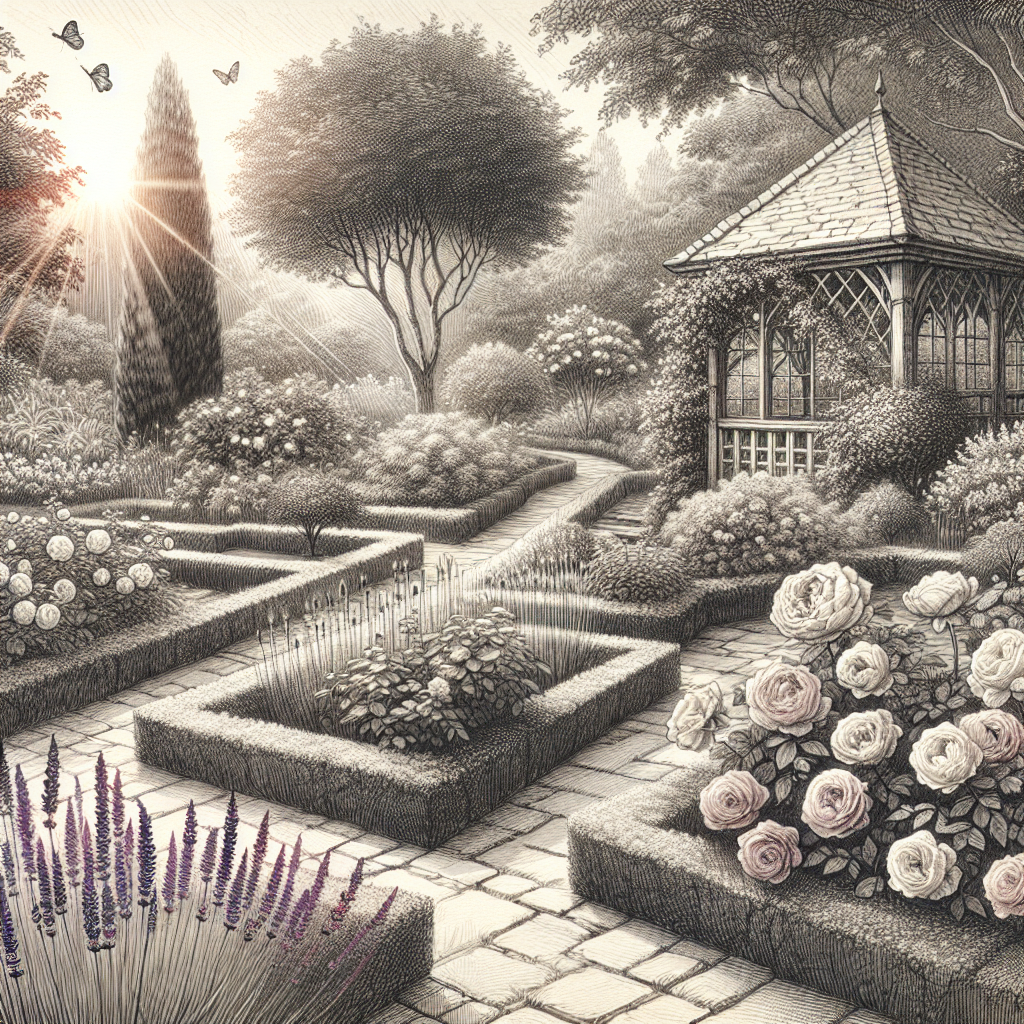
Gardening, as an artistic expression of nature, transcends mere cultivation of plants. Among various gardening styles, the English garden style stands out for its romantic allure, lushness, and a somewhat wild charm. For enthusiasts and novices alike, understanding the characteristics of this iconic style can be enlightening, fostering deeper appreciation and possibly inspiring new gardening endeavors.
Table of Contents
- What is English Garden Style?
- Historical Context
- Key Characteristics of English Garden Style
- a. Naturalistic Planting
- b. Serpentine Paths
- c. Water Features
- d. Garden Sculptures and Statues
- e. Focal Points and Framing
- Common Questions About English Garden Style
- Tips for Creating an English Garden
- How Do English Gardens Differ from Other Styles?
- Conclusion
What is English Garden Style?
The English garden style, often referred to as the “English Landscape Garden,” emerged during the 18th century. It is characterized by its intricate balance between nature and design, resulting in expansive landscapes that seem effortless and harmonious. Unlike more formal garden styles, such as the French Parterre, which emphasize symmetry and strict patterns, the English garden often celebrates the beauty of natural forms and organic arrangements.
Historical Context
To truly appreciate the English garden style, one must understand its historical roots. During the early 18th century, gardening trends began to change in response to societal shifts and the evolving perspectives on nature. The Revolutionary ideals of the Enlightenment influenced the design of gardens, as they became symbols of liberty, creativity, and a return to simpler, bucolic living.
Designers such as Capability Brown and Humphry Repton were instrumental in shaping the English garden landscape. Brown is often credited with popularizing the idea of “natural gardening,” wherein gardens would mimic the beauty of untouched landscapes. He believed that gardens should appear as though they belonged to the surrounding countryside. This paradigm shift was marked by gentle slopes, winding paths, and carefully curated vistas.
Key Characteristics of English Garden Style
The English garden style boasts an array of distinctive characteristics that set it apart. Let’s explore each major element in detail.
a. Naturalistic Planting
One of the hallmark features of the English garden is the emphasis on naturalism. Plants are not arranged in rigid lines or geometric shapes; instead, they are grouped fluidly, emulating the way they might occur in nature.
Diversity of Plant Life
This style typically embraces a wide range of flora, from vibrant annual flowers to perennial borders and sprawling shrubs. The idea is to create layers and textures that enhance visual interest. You’ll find classic English favorites like roses, foxgloves, delphiniums, and lavender, often harmonizing with grasses and wildflowers.
Seasonal Interest
To maintain year-round appeal, English gardens are designed with seasonal changes in mind. Spring bulbs such as daffodils and tulips give way to summer blooms, while autumn foliage adds rich colors before the frosty winter months. This cyclical nature allows for a dynamic garden that evolves with the seasons.
b. Serpentine Paths
In stark contrast to the straight lines and formality of French gardens, English gardens are characterized by meandering pathways. These serpentine paths invite exploration and create a sense of discovery, encouraging visitors to wander and take in the surroundings.
Materials Used
Paths can be made from a variety of materials, including gravel, stone, or even grass, contributing to the garden’s organic feel. The winding routes often lead to hidden nooks or focal points, further enhancing the sense of adventure.
Integration with Landscapes
Serpentine paths often follow the contours of the landscape, rather than cutting across it. This design choice helps to blur the lines between the garden and the surrounding environment, enhancing the naturalistic quality of the space.
c. Water Features
Water plays an integral role in many English gardens, serving both aesthetic and ecological functions.
Types of Water Elements
Fountains, ponds, and streams can all be found within the confines of an English garden. Fountains may be designed in a formal style but are often integrated into a more naturalistic setting with surrounding flora. Ponds can be deliberately placed or created in the contours of the landscape, attracting wildlife such as frogs and birds.
Reflections and Serenity
Water features do more than just enhance beauty; they introduce a calming element, providing tranquility and a space for reflection. The sound of trickling water can create a soothing atmosphere, enhancing the overall sensory experience.
d. Garden Sculptures and Statues
Art installations and sculptures are common in English gardens, serving to punctuate the landscape and offer moments of surprise and intrigue.
Historical Significance
Many English gardens include classical statues or whimsical sculptures that may reflect philosophical or artistic themes. These pieces are often strategically placed to draw the eye or to serve as focal points in the landscape design.
Integration with Nature
The contrast of stone against soft, flowering plants adds depth to the garden. The key is to ensure that these artistic elements harmonize with the natural surroundings, blending art and nature in a cohesive manner.
e. Focal Points and Framing
Creating focal points is essential in English garden design. Whether it’s a gazebo, a statue, or an exotic tree, focal points draw the eye and create a sense of purpose within the garden.
Strategic Placement
Focal points are typically positioned where they can be appreciated from multiple angles. They may also serve to frame vistas, where certain pathways or views come together to enhance the overall design.
Visual Lines
Framing can be achieved through hedges, trees, or even arched entrances made of climbing plants. This adds a dimensional quality, making the garden feel more immersive and inviting.
Common Questions About English Garden Style
What should I consider when creating an English garden?
Firstly, consider your available space and climate. While English gardens are often sprawling, they can be adapted to smaller plots. Select plants that thrive in your area, focusing on perennials and seasonal blooms for continuous interest.
How do I incorporate water features into my garden?
If space allows, consider adding a small pond or fountain. Even a simple birdbath can attract wildlife and introduce a soothing element. Make sure to position your water feature where it can be easily seen and enjoyed.
What are some common mistakes to avoid?
Avoid over-formalizing your layout or plant choices. English gardens thrive on a sense of informality, so allow plants to grow naturally and choose a relaxed planting scheme. Additionally, be mindful of scale; oversized features can dwarf your garden instead of enhancing it.
How do English gardens vary across seasons?
The charm of an English garden lies in its ability to celebrate each season. Spring brings the vibrancy of blossoms, summer offers a riot of colors, autumn showcases rich foliage, and winter brings a tranquil stillness adorned with frost or snow. Effective English gardens seamlessly transition through these changes.
Are there any famous English gardens I should visit?
Absolutely! Notable gardens include Kew Gardens, Bath’s Botanical Gardens, and Sissinghurst Castle Garden. Each showcases unique elements of the English garden style, offering inspiration for your own garden design.
Tips for Creating an English Garden
Creating an English garden is a rewarding endeavor. Here are some practical tips to get you started:
-
Choose a Mix of Plants: Aim for diversity in plant selection. Consider layering with taller plants in the back and shorter ones in the front to create depth.
-
Incorporate Structure: While the naturalistic approach is key, incorporating elements like trellises, arbours, or even a small patio can provide structure and space for relaxation.
-
Plan for Seasonal Change: Incorporate a range of perennials, annuals, and shrubs to ensure blooming times are staggered throughout the year.
-
Encourage Wildlife: Use native plants to attract birds, butterflies, and beneficial insects. A water feature can also provide a habitat for local wildlife.
-
Emphasize Paths: Install winding paths that encourage wandering. Use materials that blend well with the surrounding landscape.
-
Layering and Textures: Mix different textures and heights to create interest. Combine hardwood with soft foliage plants, and don’t shy away from using architectural elements like any focal points you might incorporate.
How Do English Gardens Differ from Other Styles?
English gardens can be contrasted with several other garden styles to better illustrate their uniqueness:
French Formal Gardens
In French gardens, symmetry and formality reign supreme. The layout is geometric, emphasizing straight lines and clear divisions. In contrast, the English garden embraces a more organic, free-flowing layout that celebrates the natural beauty of plants and landscapes.
Japanese Gardens
Japanese gardens focus heavily on simplicity and the philosophical representation of nature, often using rocks, gravel, and minimalism to create tranquility. While English gardens also strive for serenity, they do so through lushness and diversity, creating a more colorful and rich environment.
Cottage Gardens
Cottage gardens are often grouped with English gardens but have distinct characteristics. They tend to be smaller and more intimate, overflowing with flowers, herbs, and vegetables. English gardens may include elements of cottage gardens but typically encompass larger, more expansive spaces.
Conclusion
The English garden style embodies a romance with nature that captivates garden lovers worldwide. Its characteristics, ranging from naturalistic planting to meandering paths, encapsulate a philosophy that embraces beauty, diversity, and serenity.
As you embark on your journey to create or appreciate an English garden, remember to celebrate the idiosyncrasies of nature. This style invites a delightful sense of exploration, connecting us to the living world around us, and empowering us to craft our little sanctuary amidst the chaos of life.
With this understanding in hand, why not step outside, dig your hands into the soil, and let your imagination flourish? After all, the most beautiful gardens often start with a single seed of inspiration.