
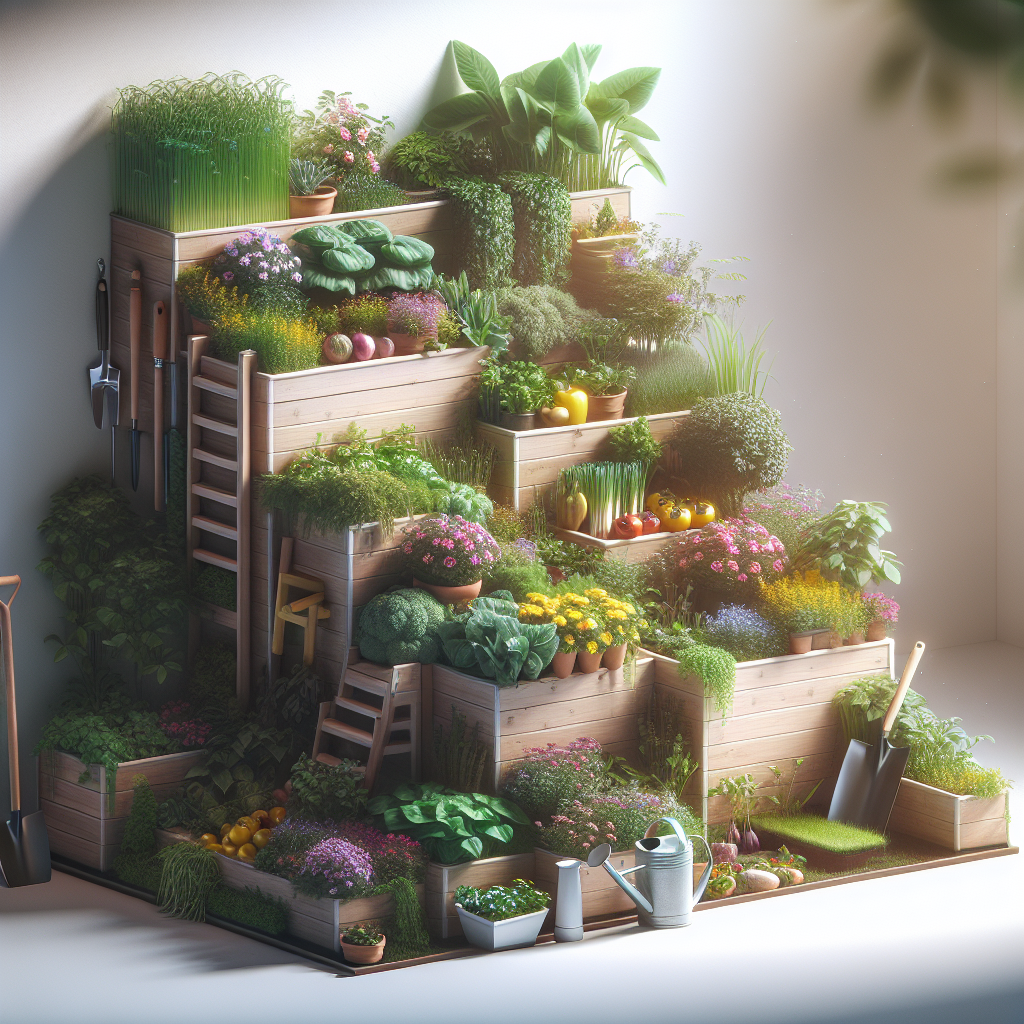
Gardening has long been celebrated for its therapeutic benefits, aesthetic appeal, and ability to foster a connection between humans and nature. Among the myriad of gardening techniques available, tiered gardening stands out as a unique and engaging approach. This multi-level gardening technique is not only visually pleasing but also remarkably efficient, maximizing space and facilitating diverse plant growth. In this article, we will delve deep into the world of tiered gardening, exploring its many facets, answering common questions, and offering innovative ideas for your garden.
What is Tiered Gardening?
Tiered gardening involves creating multiple levels or “tiers” in a garden space, allowing for a varied landscape that can accommodate plants with differing sunlight, soil, and water needs. The tiers are typically constructed with soil, stone, wood, or other materials stacked vertically, creating a series of terraces or platforms. This technique can be applied in various settings, from small urban gardens to expansive rural landscapes.
Why Choose Tiered Gardening?
-
Space Optimization: If you’re working with limited garden space, tiered gardening allows you to make the most of vertical areas, thus maximizing your use of space.
-
Improved Drainage: By layering soil and plants, each tier often has better drainage than a flat garden, reducing the risk of waterlogging and promoting healthier plant growth.
-
Aesthetic Appeal: The visual interest created by various tiers can make your garden a focal point of your landscape, drawing the eye and enhancing the overall beauty of your outdoor space.
-
Microclimates: Different tiers can create varying conditions (sunny, shaded, or moist), allowing you to grow a wider variety of plants side by side.
-
Accessibility: Raised tiers can make gardening easier for individuals with limited mobility as they reduce the need for bending or kneeling.
Popular Tiered Gardening Ideas
1. Terraced Vegetable Garden
Vegetable gardens can immensely benefit from tiered arrangements. Each tier can have its vegetable selection, allowing for meticulous planning. This approach not only organizes your garden but also ensures that each vegetable receives the appropriate amount of sunlight and water.
How to Set It Up:
-
Choose Your Vegetables: Select a variety of plants that grow well together. For example, taller plants like tomatoes can be placed at the back of the top tier, while shorter plants like basil and lettuce can be at the front.
-
Select the Materials: Use wood, stone, or bricks to create the tiers. Ensure the materials are suitable for outdoor use and will withstand the weather.
-
Create a Slope: If your gardening area is inclined, follow the natural slope when building your terraces. This will help with water drainage.
2. Ornamental Flower Garden
For those looking to beautify their outdoor spaces, a tiered flower garden can add stunning visuals and a variety of colors and textures.
Design Tips:
-
Plant Selection: Use a mix of perennials and annuals. Incorporate varying heights and bloom times to ensure a vibrant display throughout the seasons.
-
Accent Features: Add decorative elements like stones, sculptures, or water features along the tiers to enrich the visual interest.
-
Color Schemes: Choose a color palette for your garden to create a harmonious look. You can go for monochromatic hues or contrasting colors for a more vibrant approach.
3. Herb Spiral Garden
Creating a vertical spiral for herbs capitalizes on the tiered gardening concept while maximizing space and offering varying microclimates.
Setting Up Your Herb Spiral:
-
Build a Spiral Structure: Use stones or bricks to create a spiral that narrows towards the top. This can be both a functional herb garden and an attractive landscape feature.
-
Planting Varieties: At the very base, plant moisture-loving herbs like mint and basil. As you ascend, transition to drought-tolerant herbs such as rosemary and thyme towards the top.
4. Container Tiered Gardening
Utilizing containers allows you to implement tiered gardening even in small spaces or patios. This method offers flexibility and the ability to rearrange plants as desired.
Container Strategies:
-
Stacked Planters: Invest in stacked planter boxes that facilitate vertical growth. You can also create DIY versions using wooden pallets or plastic containers.
-
Mobility: Container gardens are movable, allowing you to reposition them based on the sun’s position or your aesthetic preferences.
-
Color Play: Use vibrant pots in various shapes and sizes to create visual interest. Consider lighter colors for sunny spaces to minimize heat absorption.
5. Rock Gardens with Tiered Layouts
If you adore natural aesthetics, a tiered rock garden can provide a balance of hardy plants and rugged stonework.
How to Create It:
-
Select Your Rocks: Choose a variety of stones in various sizes. Larger stones can serve as the foundation of the tiers, while smaller stones can fill gaps.
-
Succulent and Cactus Artistry: These plants thrive in such environments, providing diverse colors and shapes. Group plants for a natural, clustered look.
-
Ground Cover Options: Use creeping plants to soften the rock edges and provide color contrasts.
Common Questions about Tiered Gardening
What materials are best for constructing tiers?
The best materials depend on your garden aesthetic and budget. Common choices include:
- Wood: Provides a rustic look. Ensure that it’s treated for outdoor use to resist rot.
- Stone: Offers durability and a natural look but can be more challenging to work with.
- Bricks or Pavers: Ideal for creating formal, structured tiers; also offers good drainage.
How do I determine the correct height for each tier?
The height of your tiers can be adjusted based on:
- Plant Requirements: Taller plants naturally need higher tiers. Aim for a gradient of heights.
- Visibility: Ensure that each tier is visible from various vantage points in your yard.
What plants grow best in tiered gardens?
Diversity is key. Consider the following types of plants for different tiers:
- Top Tier: Plants that thrive in full sun, such as tomatoes, sunflowers, or perennial flowers.
- Middle Tier: Semi-shade plants like peppers, herbs, or medium-height flowers.
- Bottom Tier: Shade-tolerant plants or moisture-loving varieties that handle diverse soil conditions.
How can I ensure proper drainage?
Proper drainage is crucial for plant health. Here are some steps to consider:
- Incorporate Gravel or Sand: Place this at the bottom of each tier to help with drainage.
- Monitor Watering: Adjust your watering schedule based on rainfall and the moisture needs of each tier’s plants.
- Slope the Beds: Design each tier to slope slightly so that water naturally drains away from the plants.
Is tiered gardening more labor-intensive?
Tiered gardening can require more initial effort in terms of planning and construction. However, once set up, the maintenance can be more manageable—as good drainage reduces disease, and the organization makes care straightforward.
Can tiered gardening be applied to indoor plants?
Absolutely! Indoor tiered gardening can be accomplished using shelving or multi-level plant stands. This vertical space maximizes light exposure and allows for diverse plants in a confined area. Use smaller plants on lower shelves and progressively larger ones on higher shelves to create an inviting green space in your home.
Incorporating Enjoyable Elements into Your Tiered Garden
A Place for Relaxation
Incorporate seating, like benches or garden chairs, within or adjacent to your tiered garden. A tranquil nook provides a lovely place to relax, enjoy your plants, and even host gatherings. Add shade structures if sunlight is intense, creating a pleasant retreat in your garden.
Creating Pathways
Effective pathways allow for ease of maintenance and access to every tier, preventing compaction of soil and ensuring you can easily reach all your plants. Soft materials like wood chips or small gravel make excellent choices to create visually appealing walking paths.
Lighting Enhancements
Consider incorporating solar lights along the tiers to enhance your garden during the evening. This adds an enchanting atmosphere and allows you to admire your hard work at any hour.
Final Thoughts: The Art of Tiered Gardening
Tiered gardening combines artistry, functionality, and a love for nature into one stunning package. By embracing this varied approach, you can create an extraordinary multi-level oasis that offers diverse plant life while maximizing your space. Whether you’re an experienced gardener or a curious beginner, tiered gardening provides a rewarding experience that nurtures both plants and souls.
Embracing the art of tiered gardening opens up a world of possibilities that transcend mere aesthetics. It holds the potential to transform dull landscapes into flourishing, vibrant ecosystems—each tier representing a unique botanical narrative. So, roll up your sleeves, gather your materials, and embark on this exciting gardening journey today!