
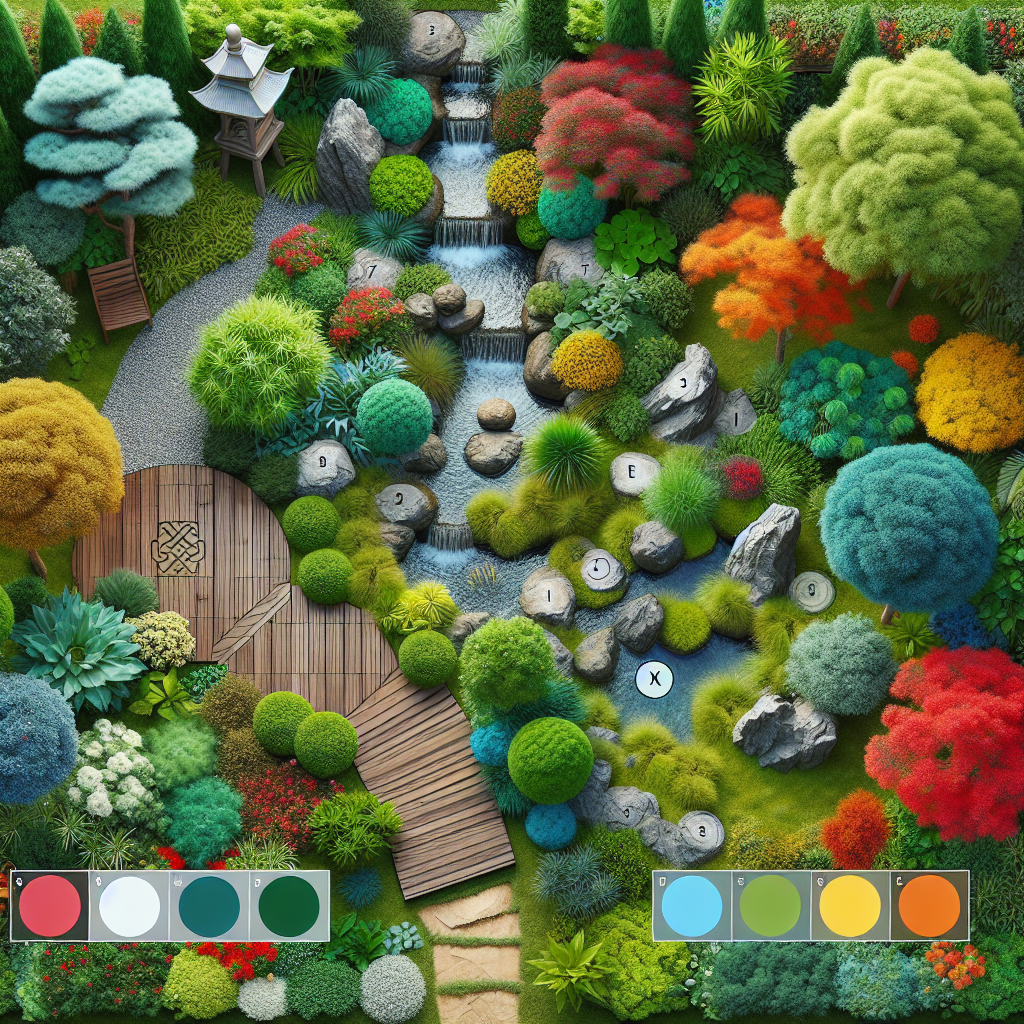
Creating a harmonious garden is not just an aesthetic endeavor—it can also be a path to personal well-being and balance. Feng Shui, an ancient Chinese practice that emphasizes the flow of energy (or “Chi”) in our environments, provides a profound framework for designing gardens that connect us to nature and enhance our quality of life. In this article, we will delve into the principles of Feng Shui garden planning, explore various design elements, and address common questions, empowering you to create a space that reflects tranquility, balance, and abundance.
Understanding Feng Shui: A Brief Overview
Feng Shui, which translates to “wind” and “water,” is rooted in the belief that our environments can deeply affect our inner states and life fortunes. The practice is based on the idea that everything has energy, or “Chi.” This energy can be positive or negative, and its flow can be influenced by the arrangement of space and objects.
The Five Elements of Feng Shui
One of the core principles of Feng Shui is the inclusion of the Five Elements: Wood, Fire, Earth, Metal, and Water. Each element embodies different qualities and is associated with specific aspects of life:
- Wood: Represents growth, vitality, and creativity. It’s connected to the spring season and symbolizes new beginnings.
- Fire: Associated with passion, warmth, and transformation. It represents summer and can instill energy and excitement in your space.
- Earth: Embodies stability, nourishment, and support. It symbolizes late summer and offers a grounding effect.
- Metal: Represents clarity, precision, and organization. It is linked to autumn and can lend a refined aspect to your garden.
- Water: Relates to intuition, inspiration, and abundance. It corresponds to winter and can bring a sense of fluidity and movement.
The Bagua Map
Central to Feng Shui is the use of the Bagua Map, which is a tool that divides a space into nine sections, each associated with different life areas such as wealth, love, family, and health. When applied to garden design, the Bagua map enables you to identify which elements to emphasize in various parts of your garden.
Planning Your Feng Shui Garden: Step-by-Step Guide
Step 1: Assess Your Space
Before diving into design, it’s crucial to analyze your current outdoor space. Consider the following:
- Location: Observe the layout of your garden in relation to your home. Note areas that receive sunlight, shade, wind, and water flow.
- Existing Features: Take stock of existing plants, features, and pathways.
- Surroundings: Consider nearby structures, roads, and other external factors that might influence your garden’s energy.
Step 2: Using the Bagua Map
After assessing your space, superimpose the Bagua map onto your garden layout. This will help you identify specific zones to enhance based on your intentions. Each section of the Bagua corresponds to elements you might want to cultivate. For example:
- Wealth: Plantings associated with abundance, such as money trees or bamboo.
- Relationships: Create cozy seating areas with fragrant flowers like jasmine, attracting loving energy.
- Health: Incorporate healing plants such as aloe vera or lavender into this zone.
Step 3: Choosing Plants and Materials
Once you have your Bagua zones defined, it’s time to select appropriate plants and materials that align with each area’s energy.
- For Wood: Choose robust, healthy trees and shrubs. Plants like ferns, bamboo, and tall grasses thrive in these spaces.
- For Fire: Include bright flowers like sunflowers or marigolds, and consider colorful pots that evoke warmth.
- For Earth: Opt for low, sturdy plants or ground covers like succulents or moss.
- For Metal: Select plants with rounded leaves or metallic features, such as ornamental grasses.
- For Water: A small pond, fountain, or even a bird bath can channel water energy, providing a calming soundscape.
Step 4: Layout and Design
Next, design the layout of your garden, keeping the flow of Chi in mind. Here are some design principles to consider:
- Paths and Flow: Create winding pathways that encourage exploration. Avoid straight lines that can restrict the flow of Chi.
- Focal Points: Create visual interest with focal points like statues, trellises, or vibrant flowerbeds.
- Seating Areas: Introduce intimate seating nooks where one can enjoy the garden’s tranquility. Make sure these areas are sheltered and inviting.
- Boundaries: Use hedges, fences, or natural barriers to create a sense of containment and safety.
Step 5: Maintenance and Adaptation
A Feng Shui garden is not a static creation; it evolves with time and requires care:
- Regular Care: Tend to plants, deadhead flowers, and remove weeds to maintain a vibrant energy.
- Seasonal Changes: Reflect the seasons with changes in color and plant placement. Integrate seasonal plants to keep the garden alive and fresh.
- Adaptation: Be open to change. As your life circumstances evolve, so can your garden. Adjust your elements and design to suit your current needs.
Common Questions About Feng Shui Garden Plans
1. Can anyone design a Feng Shui garden, or do I need a consultant?
While hiring a Feng Shui consultant can provide expert guidance, anyone can create a Feng Shui garden with a little research and mindfulness. Understanding the basic principles, like the Bagua map and the Five Elements, will empower you to make informed decisions.
2. What if my space is limited?
Feng Shui can be applied to even the smallest spaces. A balcony or a few potted plants can embody Feng Shui principles. Use vertical gardening techniques and include elements from each of the Five Elements in small spaces, such as a water feature in a bowl or hanging plants.
3. How do I balance the Five Elements?
Balance can be achieved by incorporating elements in proportion to their presence in nature. Aim for a mix without overcrowding your space. For example, a water feature complemented by earthy stones, surrounded by wooden plants, will create a dynamic balance of energy.
4. Are there specific plants to avoid in Feng Shui?
Certain plants can represent negative energy and are generally advised against in Feng Shui. These include plants with sharp edges, like cacti (which can symbolize aggression), or plants that are dying or unhealthy, signifying stagnation.
5. How do seasonal changes affect my garden’s Feng Shui?
Feng Shui is dynamic and should evolve with seasons. In spring, focus on growth by planting vibrant flowers. In summer, add elements that foster energy and warmth, while in autumn, consider harvesting and changes that signify gratitude. In winter, provide shelter and comfort to ensure the garden remains a space of peace.
6. What role does color play in Feng Shui gardens?
Color has immense significance in Feng Shui. Bright, vibrant colors (like red for fire) can energize certain areas, while soft, muted shades (like greens for wood) can create tranquility. Use a balanced color palette that reflects your intentions in each Bagua area.
7. Can Feng Shui principles be applied to indoor plants as well?
Absolutely! Feng Shui can be seamlessly applied to indoor spaces. The principles are essentially the same—using the Bagua map, considering the Five Elements, and ensuring the balanced flow of Chi. Indoor plants, particularly those placed in significant areas of your home, can enhance well-being and intention.
8. How long will it take to see improvements from my Feng Shui garden?
While changes can be immediate in your perception of space and energy, more profound shifts may take time. The process of nurturing relationships, health, and prosperity through your garden will unfold gradually. Be patient and observant—often, the most significant shifts in energy manifest over time.
Conclusion: Embracing a Harmonious Connection with Nature
A Feng Shui garden is not merely about plants and aesthetics; it is an invitation to connect with nature and yourself more profoundly. By understanding and integrating the principles of Feng Shui—such as the Five Elements and the Bagua Map—you can create a tranquil outdoor sanctuary that nurtures your spirit, enhances your well-being, and fosters abundance in all areas of life.
Your garden can serve as an extension of your inner world—a reflection of harmony, growth, and the beauty found in balance. Embrace the opportunity to cultivate a sustainable garden, mindful of its energy and presence, and you may find that enriching your outdoor space can ripple into other aspects of your life, bringing with it joy, peace, and the fullness of Chi.
Start your journey today; your garden is waiting to become an oasis of harmony, well-being, and growth.