
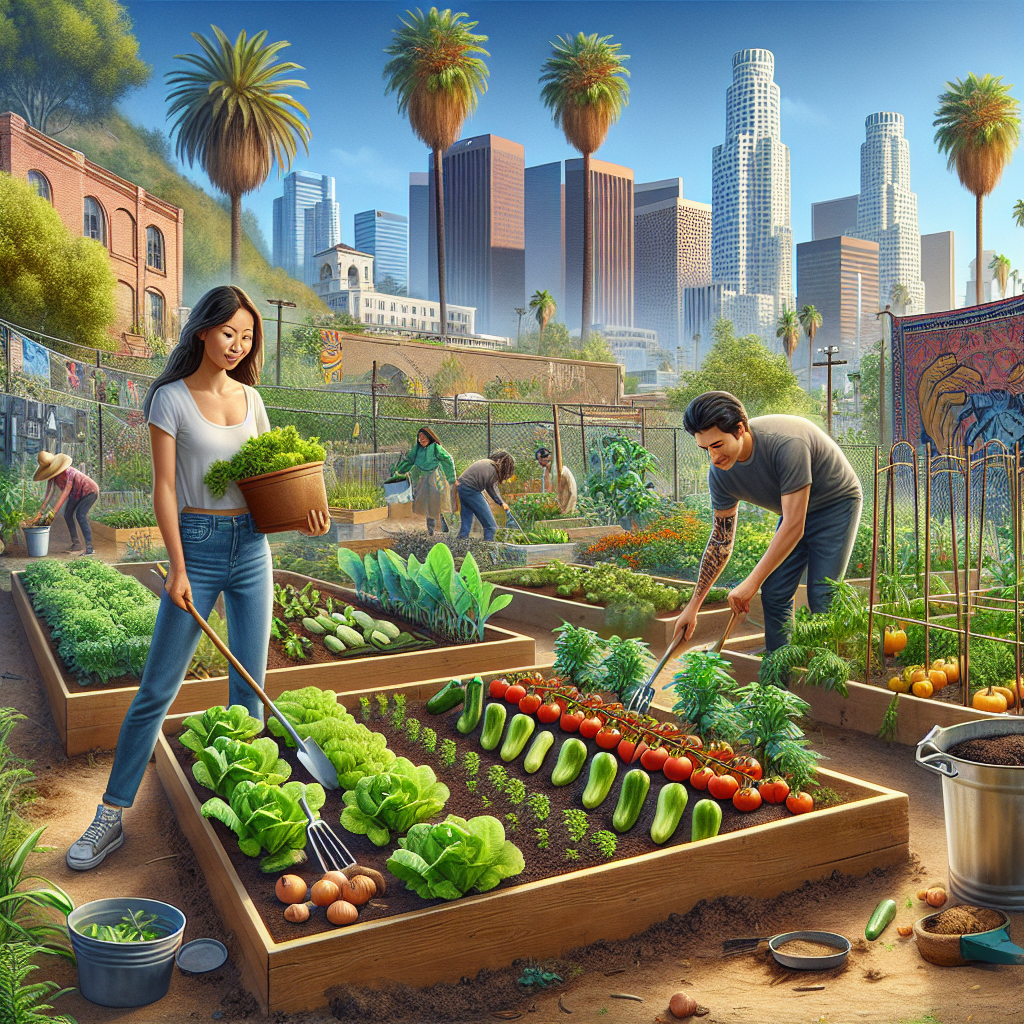
Los Angeles, a city renowned for its glitz, glamour, and endless summers, is also home to a rising trend that combines urban living with sustainable practices: edible gardens. Whether you have a sprawling backyard, a small patio, or even just a balcony, creating an edible garden can yield a bounty of delicious produce, while simultaneously providing environmental benefits and personal satisfaction. This article delves into the many facets of edible gardens in Los Angeles, answering essential questions to provide you with an in-depth understanding of this growing phenomenon.
What is an Edible Garden?
An edible garden is a space where fruits, vegetables, herbs, and edible flowers are grown, specifically for culinary use. Unlike conventional gardens that focus primarily on ornamental plants, edible gardens embrace the concept of growing edible produce that enhances both the kitchen and the quality of life.
Benefits of Edible Gardens
-
Fresh Produce: Edible gardens allow you to harvest fresh fruits and vegetables right from your backyard, offering unparalleled flavor.
-
Sustainability: Growing your own food reduces dependence on commercially grown produce, which often involves long-distance transportation, pesticides, and packaging.
-
Cost Savings: By cultivating your own food, you can significantly reduce grocery bills.
-
Health and Nutrition: Freshly picked produce is packed with nutrients. Having an edible garden encourages healthier eating habits.
-
Mental Well-being: Gardening has been shown to have therapeutic benefits, reducing stress and improving mental health.
-
Community Building: Edible gardens often promote a sense of community, whether it’s through neighborhood gardening clubs or sharing your bounty with friends and neighbors.
Why Los Angeles?
Los Angeles provides a unique climate and environment that is particularly conducive to growing an edible garden. Its Mediterranean climate, characterized by warm, dry summers and mild, wet winters, allows for a year-round growing season.
Challenges
However, gardening in Los Angeles also comes with challenges, such as:
- Water Scarcity: Drought conditions can make water conservation a priority.
- Soil Quality: Urban soil may be contaminated or poor for growing, necessitating remediation or the use of raised beds.
Local Resources
Fortunately, Los Angeles has a wealth of resources for would-be gardeners:
- Local Nurseries: They offer organic seedlings and native plants that thrive in the region.
- Community Gardens: These spaces provide opportunities for communal gardening, workshops, and the shared joy of growing food.
Getting Started: Planning Your Edible Garden
What Should I Grow?
The answer largely depends on your personal tastes, space, and climate considerations. However, common crops that thrive in Southern California include:
- Tomatoes: Indeterminate varieties can continue yielding into late fall.
- Peppers: Various types from sweet bell to spicy jalapeños.
- Herbs: Basil, cilantro, and rosemary are popular choices that grow well in containers.
- Leafy Greens: Spinach, lettuce, and kale offer quick yields.
- Citrus Trees: Lemons, limes, and oranges can thrive in containers or in the ground.
Where Should I Place My Edible Garden?
Sunlight is essential! Most vegetables require at least 6-8 hours of sunlight each day. If space is limited, consider:
- Vertical Gardens: Utilize trellises or wall planters to maximize space.
- Windowsills: Herbs and small plants can thrive on sunny sills.
What Type of Soil Should I Use?
Soil quality is crucial. Here are some tips to ensure healthy soil:
- Test the Soil: pH testing kits can help identify problematic soil elements.
- Organic Matter: Mix in compost to improve both fertility and drainage.
- Raised Beds: If soil is poor, consider building raised beds filled with quality soil.
Should I Think About Organic Gardening?
Absolutely! Organic gardening minimizes harm to the environment and promotes biodiversity. Here are some organic practices to consider:
- Pest Management: Manual pest removal or introducing beneficial insects like ladybugs can help maintain a healthy garden.
- Natural Fertilizers: Compost, worm castings, and organic fertilizers nourish the plants without harmful chemicals.
What Are Some Gardening Techniques?
Companion Planting
Companion planting helps enhance flavors, deter pests, and promote biodiversity. For example, tomatoes and basil thrive together, not only enriching the soil but also improving the flavor of each other’s yields.
Raised Beds vs. In-Ground Planting
-
Raised Beds: Easier to manage, raise soil temperature, improve drainage, and minimize weeds.
-
In-Ground Planting: More space for larger crops but may require more effort to improve soil quality.
Container Gardening
Ideal for small spaces, using containers allows you to grow a variety of plants without needing a large garden. Ensure you use high-quality potting soil and provide adequate drainage.
Incorporating Edible Plants into Landscaping
Edible Landscaping
Edible landscaping is an attractive way to incorporate edible plants into your yards and gardens without sacrificing aesthetics. For example, consider using:
- Fruit Trees: These can serve as beautiful focal points while providing delicious fruit.
- Edible Flowers: Calendula, nasturtiums, and pansies can beautify your garden while being completely edible.
Seasonal Planting Guide for Los Angeles
Spring (March to May)
- Plant tomatoes, peppers, eggplants, and herbs like basil and cilantro.
Summer (June to August)
- Focus on heat-loving plants such as zucchini, cucumbers, and melons.
Fall (September to November)
- This is the time to plant fall crops: leafy greens, radishes, and carrots.
Winter (December to February)
- Use this time to grow winter crops like kale, broccoli, and garlic, as well as prepare your garden for spring plantings.
How to Maintain an Edible Garden
Watering Practices
Water conservation is crucial in Los Angeles. Consider implementing the following techniques:
-
Drip Irrigation: This minimizes water waste by delivering water directly to the plant roots.
-
Mulching: Use organic mulch to retain moisture and suppress weeds.
Pest Management
Identifying and controlling pests without harmful chemicals is essential. Here are some methods to consider:
-
Encourage Beneficial Insects: Plant flowers that attract ladybugs and lacewings.
-
Natural Repellents: Use garlic spray or neem oil as organic pest deterrents.
Harvesting and Enjoying Your Produce
When and How to Harvest
Knowing when and how to harvest is vital for getting the most flavor out of your produce. Some tips include:
-
Taste Testing: Sample fruits and vegetables to see if they’re at their peak flavor.
-
Harvest in the Morning: This is when most fruits and vegetables are the freshest and have the most water.
What to Do with Your Bounty
With your garden’s harvest, the possibilities are limitless:
-
Canning and Preserving: Extend the life of your harvest by canning tomatoes or making pickles.
-
Sharing: Consider sharing excess produce with neighbors or local food banks, helping to foster community connections.
Edible Gardens as Educational and Community Tools
Schools and Community Gardens
Involve youth and communities in gardening projects. Educational programs can sustain produce for school meal programs and teach valuable life skills.
LA’s Community Gardens: Several organizations, such as Los Angeles Community Garden Council, often facilitate community garden spaces where individuals can learn to grow their food while sharing and preserving local green spaces.
Workshops and Classes
Many organizations and community gardens offer classes on organic gardening, food preservation, and cooking demonstrations, making it easy to deepen your knowledge and connect with fellow gardening enthusiasts.
The Future of Edible Gardening in Los Angeles
Urban Farming Initiatives
As urban living continues to grow in Los Angeles, the edible gardening movement is also expanding. Urban farms are being established in vacant lots, rooftops, and even schools.
Sustainability Goals
The trend towards edible gardens aligns with LA’s sustainability goals. As more residents become conscious of their environmental impact, edible gardening can play a vital role in fostering food security, promoting biodiversity, and decreasing carbon footprints.
Conclusion
Creating an edible garden in Los Angeles offers both personal and communal benefits, ranging from fresh produce to enhanced quality of life. As cities face unprecedented challenges related to sustainability, food scarcity, and community cohesion, cultivating an edible garden can provide not only nourishment but also a sense of purpose and belonging.
From the warm sunshine on your skin as you tend to your plants to the rewarding feeling of harvesting your own food, edible gardens transform urban spaces into vibrant ecosystems. They remind us of the beauty of nature’s bounty and our interconnectedness with the environment.
So why not start today? Grab some seeds, soil, and a bit of sunshine, and transform your space into an edible paradise—your taste buds, and the planet, will thank you!