
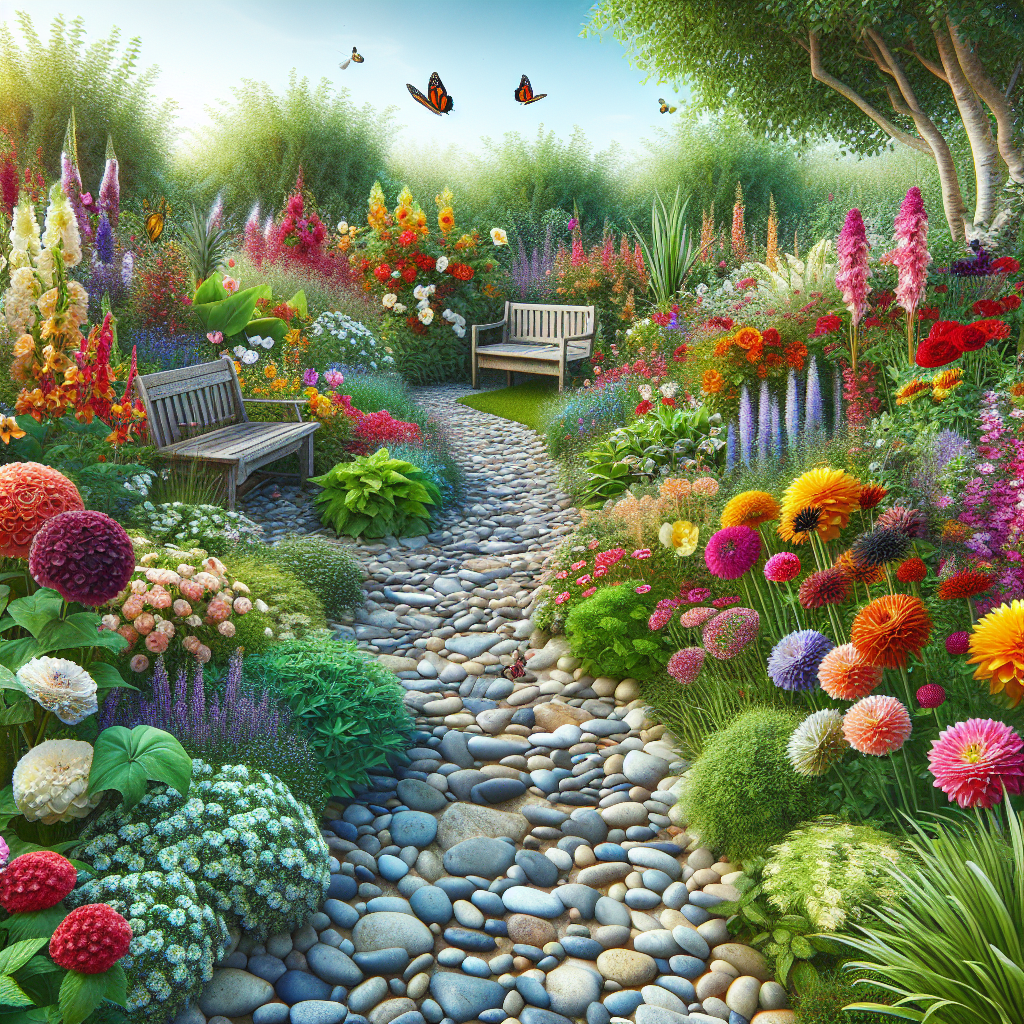
Flowers have an innate ability to uplift our spirit and beautify our surroundings. A mixed flower garden, filled with a colorful assortment of blooms, offers a sensory delight and can transform any space into a vibrant wonderland. This in-depth article explores the artistry of mixed flower gardens, guiding you through their benefits, design principles, plant selection, and care tips.
What is a Mixed Flower Garden?
A mixed flower garden is a diverse planting of various flowering plant species, intended to create a dynamic and vibrant landscape. Unlike traditional flower beds that often focus on one type or color of flower, mixed gardens embrace a multitude of colors, shapes, and heights. This diversity not only enhances the visual appeal of your garden but also promotes ecological health.
Benefits of a Mixed Flower Garden
1. Aesthetic Appeal
The first and most obvious benefit of a mixed flower garden is its visual beauty. Different colors, textures, and forms can create a tapestry of interest that evolves with the seasons. As some flowers bloom and fade, others will take their place, ensuring that the garden is always changing, providing an inviting viewing experience.
2. Biodiversity
Mixed flower gardens foster biodiversity, attracting a range of pollinators such as bees, butterflies, and hummingbirds. This diversity helps create a balanced ecosystem and can significantly enhance the health of your garden.
3. Seasonal Interest
By planting a variety of species that bloom at different times throughout the year, you can ensure that your garden is always alive with color. Early spring bulbs, summer perennials, and autumn-stalwarts can offer continuous beauty.
4. Soil Health
Diverse plant life contributes to improved soil structure and fertility. Different species have varying root depths, which means they extract nutrients from different soil levels. This can help in breaking soil compaction and promoting healthier growth for all plant species.
5. Personal Expression
A mixed flower garden allows for personal creativity and expression. You can choose plants that resonate with you, symbolize your feelings, or remind you of special moments. This emotional connection makes gardening a richer experience.
Designing Your Mixed Flower Garden
1. Choosing the Right Location
Before planting, consider the unique conditions of your garden space. Sunlight, shade, soil type, and drainage play critical roles in which plants will thrive. Most flowering plants need full sun (6–8 hours a day), while others prefer partial shade.
2. Planning Your Layout
When starting a mixed flower garden, sketch a rough layout:
- Height Variations: Place taller plants at the back or center (if circular) and shorter plants at the front. This will ensure that every plant gets adequate sunlight.
- Grouping Similar Plants: Create clusters of similar plants for a more natural look. This can also make it easier for pollinators to find the flowers they love.
- Pathways: Designate spaces for pathways to allow easy access to point-of-care gardening tasks like weeding and deadheading.
3. Choosing Flowers Wisely
When selecting flowers, consider:
- Blooming Seasons: To maintain continuous flowering, choose a mixture of spring, summer, and fall bloomers.
- Colors and Textures: Aim for a palette that speaks to you. Combine flowers in complementary colors and varied textures.
- Plant Height: Think about layering and tucking shorter plants in front of taller ones.
Popular Flower Choices for Mixed Flower Gardens
-
Perennials: These provide lasting beauty year after year.
- Echinacea (Coneflower): Hardy and drought-resistant.
- Rudbeckia (Black-eyed Susan): Bright yellow blooms attract pollinators.
- Salvia: Offers striking blue/purple hues and is a magnet for bees.
-
Annuals: These add instant color and can fill in gaps.
- Zinnias: Easy to grow and available in vibrant colors.
- Marigolds: Bright and cheerful, they also deter some pests.
- Petunias: Versatile and perfect for bringing a pop of color.
-
Bulbs: Plant in the fall for spring surprises.
- Tulips: Available in myriad colors; can be naturalized.
- Daffodils: Hardy and cheerful, they provide early spring splashes of color.
-
Foliage Plants: Don’t forget structure and greenery.
- Hostas: Great for shade and adds lushness.
- Heuchera (Coral Bells): Colorful foliage that lasts all year.
Care and Maintenance
1. Watering
Adequate watering is crucial, especially in the early stages. Newly planted flowers need consistent moisture to establish their roots. However, ensure good drainage to prevent root rot.
2. Mulching
Apply a layer of mulch to suppress weeds, retain moisture, and regulate soil temperature. Organic mulches, such as shredded bark or wood chips, also enrich the soil as they break down.
3. Deadheading
Regularly deadhead spent blooms to encourage new growth and prolonged flowering. This small practice can have a significant impact on the overall appearance of your garden.
4. Weed Management
Weeding is essential for reducing competition for nutrients and preventing diseases. Hand-pulling is effective, especially after rain when the soil is loose.
5. Pest and Disease Management
Keep an eye out for potential pest issues. Many flowering plants attract pests like aphids, while some species are more resistant than others. Organic options, such as insecticidal soap, can be an effective pest management strategy.
Questions You May Have
1. How do I choose a theme for my mixed flower garden?
Choosing a theme can simplify your plant selection process. Consider seasonal themes (spring/summer), color palettes (pastels, bold hues), or even shake it up with a wildlife-friendly garden designed to attract beneficial insects and pollinators!
2. Can I have a mixed flower garden in a small space?
Absolutely! Many flowering plants, especially annuals, can thrive in containers or small beds. Use vertical gardening techniques, such as trellises or hanging pots, to maximize space and create layered dimensions.
3. How do I ensure that my mixed flower garden is low-maintenance?
Opt for drought-resistant plants and native species, which require less watering and are often more resilient to local pests. Planting perennials that return each year can also reduce yearly replanting.
4. What are companion plants, and why are they important?
Companion planting involves growing different plants in proximity for mutual benefits. Some flowers can protect veggies from pests or improve growth through nutrient uptake. For example, marigolds deter nematodes and attract pollinators.
Conclusion
A mixed flower garden offers more than just beauty; it creates an environment brimming with life, diversity, and the delightful charm of nature. Whether you are a seasoned gardener or a novice, the joy of creating a mixed flower garden lies in its potential for self-expression and fulfillment.
By understanding the basic principles of design, plant selection, and maintenance, you can cultivate a floral retreat that flourishes every season. So grab your gardening tools, dream big, and let your mixed flower garden sprout into a landscape of color, texture, and fragrance.
In nurturing this vibrant space, you’ll not only cultivate beautiful blooms but also foster a personal sanctuary where you can unwind, reflect, and connect with the heart of nature.