
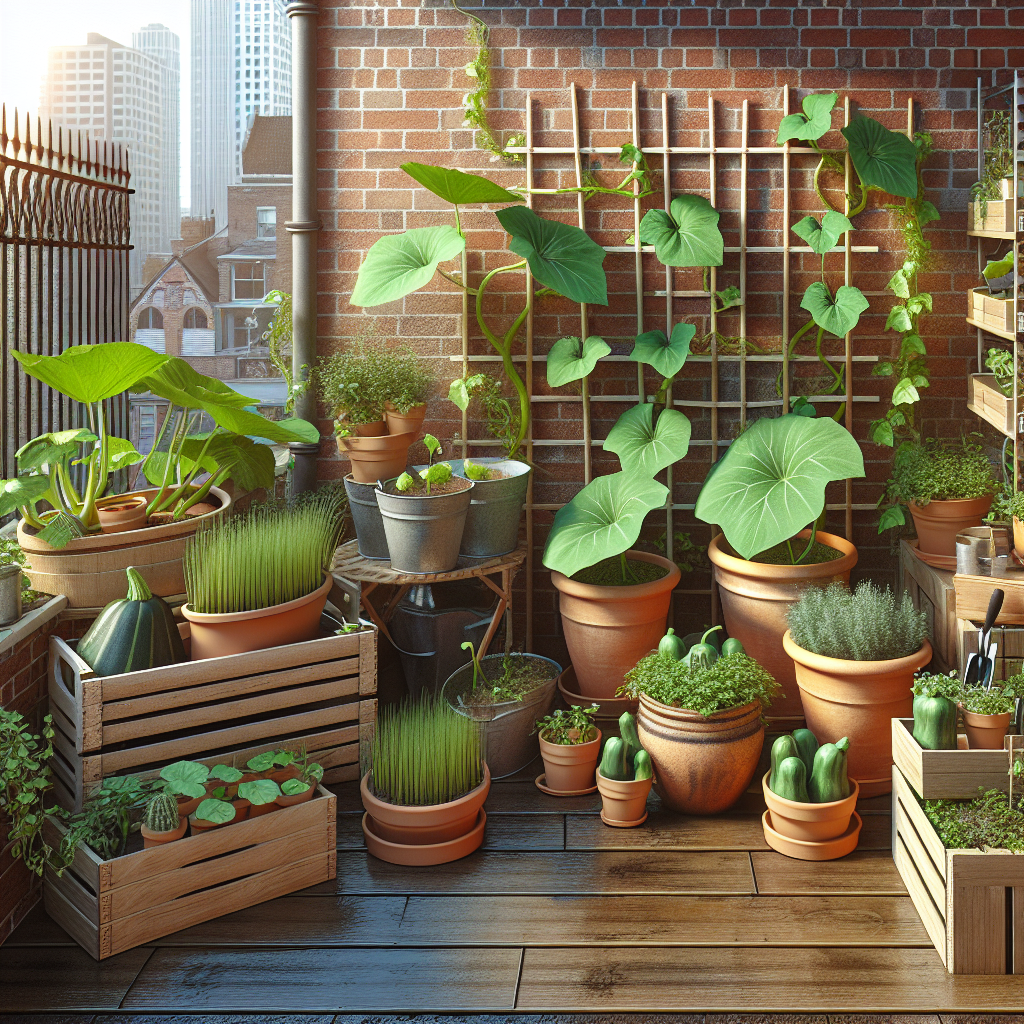
Squash, a beloved member of the gourd family, offers a bounty of flavors and textures to our plates while being an incredibly rewarding plant to grow in your home garden. Whether you are living in a small apartment or have a spacious backyard, squash container gardening can be your doorway to nurturing your green thumb. In this article, we will dive deep into the world of squash container gardening, answering essential questions and providing helpful tips in a way that will inspire both seasoned gardeners and novices alike.
Understanding Squash: A Brief Overview
Before we delve into the nitty-gritty of container gardening, it’s essential to understand what squash is and the various types available. Squash can be categorized into two main groups: summer squash and winter squash.
Types of Squash
-
Summer Squash: This includes varieties like zucchini, yellow squash, and pattypan squash. They have tender skin and should be eaten within a few days of harvest. Summer squash typically matures quickly, often within 50 to 75 days.
-
Winter Squash: This category includes butternut squash, acorn squash, and spaghetti squash. They tend to have tougher skin and can be stored for longer periods due to their hardiness. Winter squash generally matures more slowly, often taking 80 to 120 days.
Nutritional Benefits
Squash is not only delicious but also incredibly nutritious. It’s low in calories and packed with vitamins A and C, as well as fiber, potassium, and antioxidants. Including squash in your diet can enhance your overall health, contributing to better digestion, skin health, and immune function.
Why Choose Container Gardening?
Container gardening has become increasingly popular among urban dwellers and those with limited outdoor space. It offers numerous benefits:
Flexibility and Mobility
Containers allow you to garden almost anywhere, whether on a balcony, patio, or windowsill. You can easily move your squash plants to optimize sunlight or protect them from harsh weather.
Soil Control
Gardening in containers enables you to control the soil quality and drainage, essential for growing healthy squash. You can choose the right mix tailored to squash’s specific needs.
Pest Management
Growing squash in containers can help minimize some pests. Many squash pests thrive in the ground; container gardening can reduce their access to your plants.
Aesthetics
Container gardening allows you to get creative. You can design a visually appealing garden by mixing containers of various sizes, colors, and materials to create an inviting space.
Essential FAQs About Squash Container Gardening
1. What Size Container Do I Need?
Squash is a vining plant that requires space. For most squash types:
- Summer Squash: A container with a capacity of 5-10 gallons (around 18-38 liters) is ideal for planting one or two summer squash plants.
- Winter Squash: These require larger containers, ideally 10-20 gallons (38-76 liters), to accommodate their more extensive root systems and sprawling vines.
2. What Type of Soil Should I Use?
High-quality potting soil is essential for successful squash growth. Look for a blend that is lightweight, well-draining, and rich in organic matter. You can also create your mix by combining:
- 1 part peat moss
- 1 part compost
- 1 part perlite or vermiculite
3. How Much Sunlight Do Squash Plants Need?
Squash loves sunlight! Ideally, your plants should receive at least 6-8 hours of direct sunlight each day. If you’re growing in partial shade, consider selecting varieties known for their shade tolerance.
4. When Should I Plant Squash?
Timing is crucial! Generally, squash should be planted in the spring after the danger of frost has passed and the soil temperature is consistently above 60°F (15.5°C). In many regions, this is between late May and early June.
5. How Should I Water My Squash?
Consistency is key when it comes to watering squash. The soil should be kept moist but never waterlogged. Here are some tips:
- Water deeply once a week, increasing frequency to twice during hot, dry spells.
- Be sure to adjust your watering schedule based on your container’s size, moisture retention, and weather conditions.
- Consider using a moisture meter to help gauge soil dryness.
6. How Do I Fertilize My Squash?
Squash is a heavy feeder. Apply a balanced fertilizer low in nitrogen but rich in phosphorus and potassium. Recommended ratios include:
- 5-10-10
- 10-20-20
7. What Pests and Diseases Should I Watch For?
Common pests include:
- Squash Bugs: These can be identified by their distinctive yellow spots. Regularly inspect the underside of your leaves.
- Aphids: Check for clusters of tiny insects, often green or black.
- Powdery Mildew: This white fungal growth can occur in humid conditions. Ensure good air circulation around your plants.
Using neem oil or introducing beneficial insects like ladybugs can help control these pests.
Advanced Tips and Techniques
1. Choosing the Right Variety
When selecting squash for your containers, consider:
- Bush vs. Vining Varieties: Choose bush varieties like ‘Patio Pride’ or ‘Table Star’ for limited space. These take up less room and are perfect for container gardening. Vining varieties will require sturdy trellises if you wish to grow them in containers.
2. Vertical Gardening
Using trellises or other vertical systems can help maximize your growing space while also promoting better air circulation. This can lead to healthier plants and a higher yield. Consider using:
- A-frames: These are easy to assemble and can support multiple plants.
- Trellis netting: Attach this to an existing wall or fence for climbing vines.
3. Companion Planting
Consider pairing squash with companion plants that can help deter pests or enhance growth. Suitable companions include:
- Nasturtiums: Help repel aphids and other pests.
- Basil: Can promote better growth and flavor in squash.
4. Container Material Considerations
While plastic containers are popular due to their lightweight and affordability, materials like ceramic, terracotta, or wood can add aesthetic appeal and retain moisture better.
5. Seasonal Care
It’s essential to get familiar with seasonal care:
- Spring: Prepare containers and plant seeds or seedlings.
- Summer: Monitor for pests and ensure adequate watering.
- Fall: Harvest as needed and consider planting a fall crop.
The Harvest
1. When Will I Know When to Harvest?
For summer squash, look for fruits that are 6-8 inches long before they become oversized and tough. For winter squash, the skin should harden and become difficult to dent with your fingernail. When the stems begin to wither, it is a sign that the squash is ready to be harvested.
2. How to Harvest Squash?
Use sharp gardening scissors or pruners and cut the stem near the fruit, leaving a small piece of the stem attached to avoid rotting. Always wear gloves to protect your hands from sharp blades and prickly vines.
Beyond the Garden: The Culinary Possibilities of Squash
Successfully growing squash in containers leads to countless delicious culinary opportunities. Here are a few popular ways to use your homegrown squash:
- Grilled Zucchini: Drizzle with olive oil, sprinkle with salt and pepper, and grill until tender.
- Stuffed Squash: Hollow out a winter squash and fill it with a mixture of grains, nuts, and herbs before baking.
- Squash Soup: A warming autumn favorite that showcases the flavor of winter squash beautifully.
Conclusion
Squash container gardening is an enriching and fulfilling hobby that can be enjoyed by anyone, regardless of their gardening experience or space constraints. By following the advice discussed in this article—from understanding the different types of squash and their nutritional benefits to mastering the art of cultivation and harvesting—you can enjoy thriving squash plants in your own home, providing you not only with delicious food but also a source of joy and relaxation.
So gather your containers, select your favorite varieties, and get ready to embark on a rewarding journey of squash growing in the heart of your home! Happy gardening!