
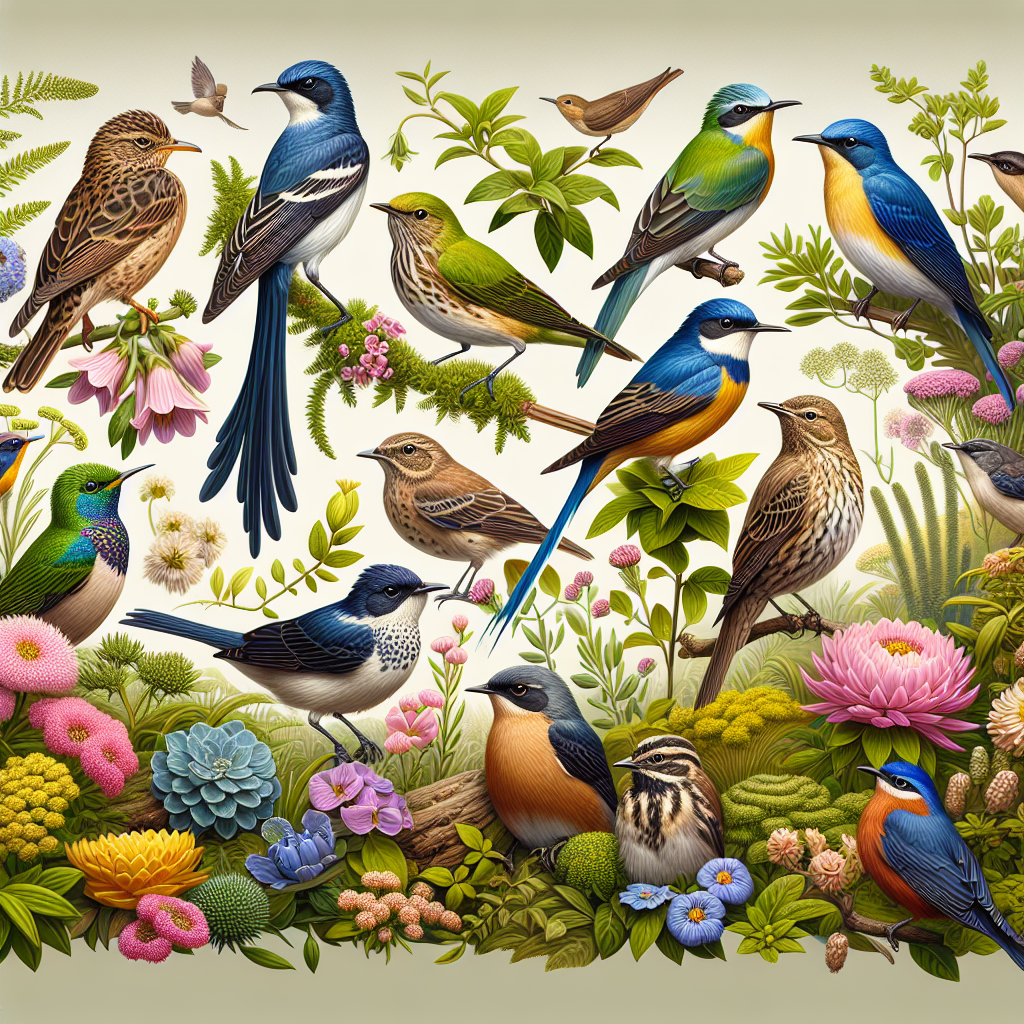
Bird watchers and nature enthusiasts often spend countless hours waiting to catch a glimpse of their feathered friends. However, those of us who are also avid gardeners find a unique and practical connection to these beautiful creatures: many birds serve as natural pest control. In this article, we will explore the fascinating world of birds that feast on garden pests, how to attract them, and the myriad benefits they offer to our gardens. By the end, you’ll have a plethora of knowledge to transform your garden into a sanctuary for these pest-eating allies.
Understanding the Benefits of Birds in Your Garden
Why Attract Birds?
Birds play a critical role in maintaining the ecological balance within gardens. They not only consume harmful pests, but their activities also contribute positively to the garden ecosystem. Here’s why attracting birds should be a priority for gardeners:
- Natural Pest Control: Birds consume vast quantities of insects that can harm plants, such as aphids, caterpillars, beetles, and slugs.
- Pollination: Some birds, like hummingbirds, are natural pollinators, helping to fertilize your flowering plants.
- Seed Dispersal: Birds assist in the dispersal of seeds across your garden and beyond, promoting biodiversity.
- Aesthetic Value: The presence of birds adds beauty and a sense of life to any garden.
- Educational Opportunities: They can be a great subject for photography, painting, or simply encouraging children to engage with nature.
Which Birds Eat Garden Pests?
Common Beneficial Birds and Their Diet
-
Chickadees: These small, charming birds not only eat seeds but also consume a variety of insects. They are particularly fond of caterpillars and aphids.
-
Wrens: Known for their bold personalities, wrens gobble up beetles, spiders, and other small insects.
-
Blue Jays: While they enjoy seeds and nuts, blue jays are adept at hunting insects, especially caterpillars.
-
Goldfinches: These birds primarily feed on seeds but will also eat insect larvae, especially in the breeding season.
-
Robins: Famous for their red breasts, robins eat various insects, including grubs, caterpillars, and beetles.
-
Nuthatches: These birds are fantastic at raiding insect nests and can help control pest populations.
-
Barn Swallows: They thrive on flying insects, making them ideal for gardens prone to pests like mosquitoes and flies.
-
Hummingbirds: Not only do they help pollinate but they also take in small insects as part of their diet.
Attracting Specific Birds by Understanding Their Preferences
Different bird species have unique preferences when it comes to food, habitat, and nesting. Understanding these can improve your chances of attracting them to your garden.
How to Attract Birds That Eat Garden Pests
1. Provide Natural Bird Food
Nectar: Hummingbirds are attracted to colorful flowers that produce nectar. Planting tubular-shaped flowers like honeysuckle, salvia, or trumpet vine will entice them into your garden.
Seeds: Choose a variety of seed-producing plants to attract different birds. Sunflowers, coneflowers, and milkweed provide excellent nourishment for numerous species.
Insects: Incorporating native plants ensures that natural insects thrive, serving as a food source for birds.
Tips for Creating a Bird-Friendly Garden:
- Plant in layers with tall trees, shrubs, and ground cover.
- Choose native plants that bloom at different times for a continuous food supply.
- Avoid pesticides and herbicides that could harm birds and reduce their food sources.
2. Create a Safe Habitat
Birds require safe places to live, shelter, and breed. Here’s how to create such environments:
-
Trees and Shrubs: Plant dense shrubs and trees where birds can hide from predators. Species such as juniper or spruce provide excellent cover and nesting sites.
-
Natural Mulch: Leave some areas of your garden a bit wild. Brush piles or native grasses can provide shelter and foraging opportunities.
-
Birdhouses: Depending on the species you wish to attract, install birdhouses that cater to their nesting preferences, such as specific hole sizes or interior dimensions.
3. Water Sources
Birds need water for drinking and bathing.
-
Bird Baths: A shallow bird bath may be all you need. Ensure it has sloped sides for easy access and change the water regularly to keep it fresh.
-
Fountains: Moving water attracts birds more effectively than still water, creating an inviting environment.
4. Choose the Right Location
Position your feeding stations and water sources strategically. Placing them close to natural cover allows birds to easily access food and water while retreating to safety. Incorporate feeders in areas near shrubs or trees.
5. Be Mindful of Feeding Practices
When attracting birds, it’s essential to be conscientious about how you provide food:
-
Feeders: Use a variety of feeders depending on the bird species. Tube feeders are great for small seeds, while platform feeders are excellent for larger birds like jays or doves.
-
Seed Selection: Use a diverse mix of seeds that appeals to a variety of birds. Nyjer seeds, sunflower seeds, and peanuts are all excellent choices.
6. Foster Relationships
By consistently maintaining an inviting space for birds, you will notice more frequent visits over time.
-
Establish Routine: Keep feeding stations filled and water sources clean. Birds come to rely on these resources.
-
Seasonal Adjustments: During certain seasons, such as migration, adjust your offerings to cater to transient species.
Additional Tips for Successfully Attracting Birds
Understanding Seasonal Changes
Birds will change their diet according to the seasons.
-
Spring/Summer: Focus on providing protein-rich options (like insects) and fresh fruits.
-
Fall/Winter: Fill feeders with high-fat seeds and put out suet blocks.
Avoiding Common Pitfalls
-
Pesticides: Stay away from chemicals that may harm birds and reduce their food sources.
-
Cats: If you have outdoor cats, be mindful they can dissuade birds from visiting. Consider designated indoor spaces for pets or keeping them contained during peak feeding times.
-
Educate Others: If you’re part of a community garden or share your outdoor space, educate neighbors on the importance of decreasing pesticide use.
Frequently Asked Questions about Attracting Birds
Q: How long does it take to attract birds to my garden?
A: Attraction times can vary. Some birds may arrive immediately, especially if food and water sources are readily available, while others may take days or even weeks to recognize your garden as a resource.
Q: What if I already have pest problems? Will birds help?
A: While birds are excellent pest control, they won’t solve an existing infestation overnight. Creating an inviting atmosphere can help control populations over time. Additionally, physical barriers like netting can provide immediate protection while birds establish a presence.
Q: Are there specific flowers that attract pest-eating birds?
A: Yes, many flowers attract beneficial insects, which in turn attract birds. Examples include echinacea, aster, and asters. Incorporating flowering plants native to your area also encourages the naturally occurring food sources birds love.
Q: What do I do if I’m still not seeing birds after implementing these practices?
A: Troubleshoot by evaluating your garden environment. Check for potential threats like cats, excessive noise, or proximity to busy roadways. Adjust your feeding choices and ensure food sources are unique enough to entice different species.
Conclusion
Attracting birds that eat garden pests not only enriches your outdoor space but also supports a balanced ecosystem. By understanding the needs and habits of these birds, implementing various strategies, and fostering habitats that provide food, water, and shelter, you can create a garden environment that highlights nature’s beauty while combating unwanted pests.
Your garden can become a sanctuary for feathered friends year-round, helping you maintain a healthy garden ecosystem while enjoying the elegance and charm they bring. The relationship between birds and gardeners can be mutually rewarding, forging a connection bound by the natural cycles of life, sustainability, and beauty. Remember, every effort you make can lead to a lush garden filled with the delightful sounds and sights of birds at work in your garden. So grab your binoculars, enjoy the process, and watch as nature unfolds its magic right in your backyard.