
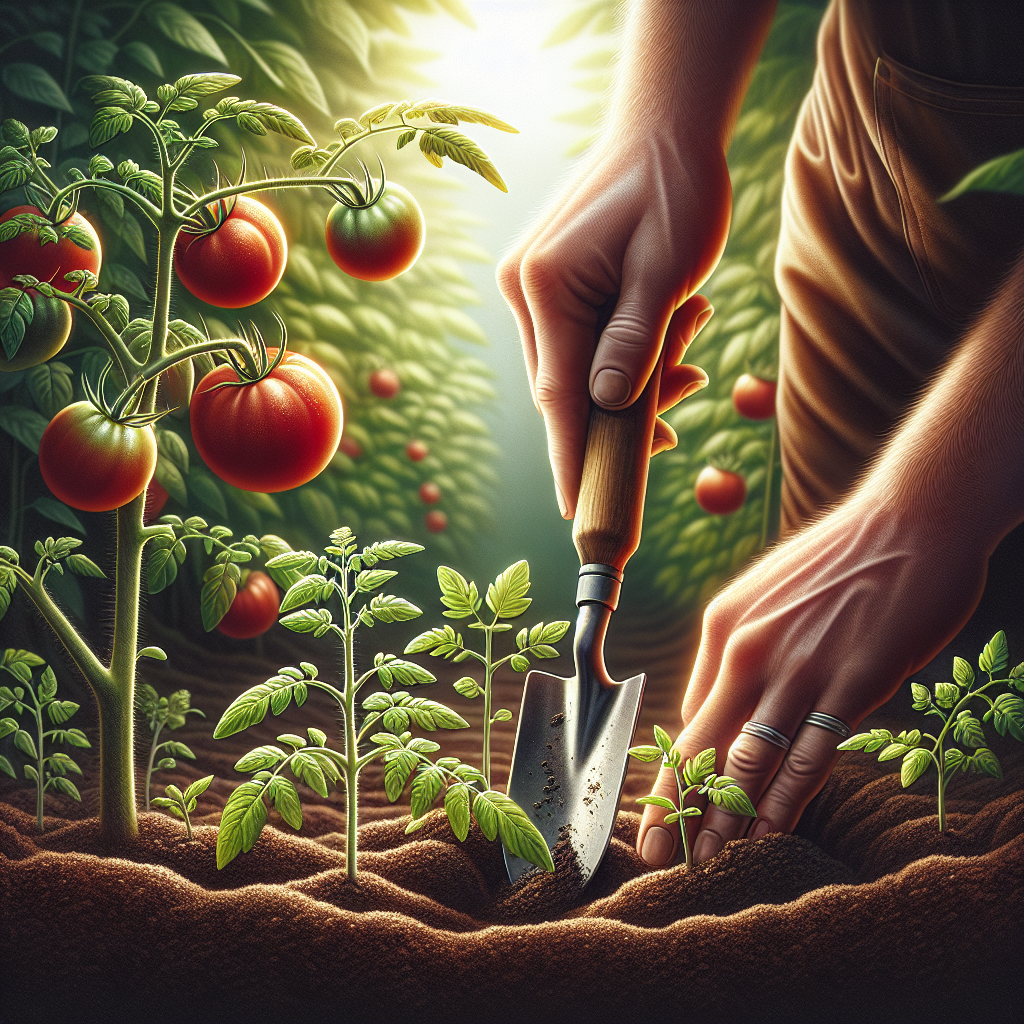
Tomatoes, often hailed as the crown jewels of the garden, are not only delicious but also remarkably versatile in cuisine. As both a staple and a delight, the popularity of tomatoes has reached astounding heights. However, achieving a bountiful harvest isn’t merely about watering, fertilizing, and providing ample sunlight. One crucial aspect that many novice (and even experienced) gardeners overlook is how deep to plant tomato plants. Despite its fundamental nature, this seemingly minor detail can significantly impact their growth and production. In this article, we’ll explore the optimal depth for planting tomato plants, answer commonly asked questions, and delve into tips that can help novice and seasoned gardeners alike grow healthy and fruitful tomato plants.
Why Does Planting Depth Matter?
Why is Planting Depth Important?
When planting tomatoes, depth matters for several reasons:
-
Root Development: Tomatoes are unique in their ability to grow roots from their stems. Planting them deeper promotes a robust root system, allowing the plant to access more nutrients and water.
-
Stability: Deeper planting helps anchor the plant firmly in the soil, reducing the risk of topple due to wind or fruit weight.
-
Moisture Retention: Deep planting can help in moisture retention by utilizing moisture from deeper soil layers, especially beneficial during dry spells.
-
Disease Prevention: Planting deeply can help reduce the risk of certain diseases that may affect the higher parts of the plant.
Optimal Depth for Planting Tomatoes
How Deep Should You Plant Tomato Plants?
The general guideline is to plant tomatoes at least 2 inches deeper than they are in their original container. For most gardening practices, this means:
- Indeterminate Varieties: These types of tomatoes, which continue to grow and produce throughout the season, can be planted deeper, typically about 2-3 inches below the soil line.
- Determinate Varieties: They usually don’t need to be planted as deeply, with a planting depth of about 2 inches being adequate.
What Is the Best Soil for Planting Tomatoes?
Importance of Soil Composition
The best soil for tomatoes is well-drained, nutrient-rich, and capable of retaining moisture while allowing excess water to escape. Here are essential soil components:
- Organic Matter: Compost is essential for providing nutrients.
- pH Levels: A pH range of 6.0-6.8 is ideal for tomatoes.
- Sand and Clay: A mix of coarse sand for drainage and clay for moisture retention will help support root growth.
Preparing the Soil
How Do You Prepare the Soil for Planting?
Before planting, preparing the soil properly can significantly impact your tomatoes’ success:
- Test the Soil: Use a soil test kit to determine pH and nutrient levels.
- Amend the Soil: Based on test results, add compost and fertilizers.
- Tilling: Till the soil to a depth of about 12-15 inches to loosen it up, which helps the roots easily penetrate.
Frequently Asked Questions
1. Should I Bury the Tomato Stem Deeper if It’s Leggy?
If your tomato plant has grown leggy due to insufficient light, it’s advisable to plant it deeper. You can bury up to 80% of the stem, and it will still root effectively from that section.
2. Can I use Store-Bought Seedlings?
Absolutely! The guidelines apply equally to seedlings purchased from a nursery. You should still check how deep they are in their pots when transferring them into your garden.
3. What Should I Use for Support?
Once planted, particularly for indeterminate varieties, ensure you provide support for the stems as they will grow tall. Options include:
- Cages: Wire cages, which allow for upward growth.
- Stakes: Wooden or metal stakes can be driven into the ground beside the plant for vertical growth support.
- Trellises: These are especially beneficial for larger gardens.
4. How Often Should I Water After Planting?
Water your tomato plants immediately after planting to settle the soil around the roots. During the first few weeks, ensure the soil remains consistently moist but not soggy. As the plants establish themselves, adjust your watering based on weather conditions, ideally providing 1-2 inches of water per week.
5. Should I Use Mulch?
Yes! Applying a layer of mulch around your tomatoes can help retain moisture, suppress weeds, and regulate soil temperature. Organic mulch, such as straw or wood chips, can also break down over time, providing additional nutrients to the soil.
6. What Are Common Mistakes When Planting Tomatoes?
- Too Shallow: Not planting deep enough can lead to root binding and poor nutrient access.
- Planting in Cold Soil: Tomatoes thrive in warmer soil temperatures. Aim for soil temperatures of 60°F (16°C) or higher.
- Over-Fertilization: Tomatoes can suffer from nutrient burn if excessively fertilized; follow guidelines based on the soil test.
Advanced Tips for Planting Tomatoes
Seasonal Timing
When Is the Best Time to Plant?
The ideal time to plant tomatoes varies depending on your local climate but typically occurs after the last frost date in your area when soil temperatures have warmed sufficiently. In temperate zones, this is usually from mid to late spring.
Companion Planting
What Are the Best Companion Plants for Tomatoes?
Certain plants not only coexist well but enhance tomato growth:
- Basil: Known to improve flavor while repelling pests.
- Marigolds: Remedial for nematodes and aphids.
- Carrots: They can optimize soil space and offer shade to prevent excessive heat build-up.
Pests and Diseases
How Can I Protect My Tomatoes?
Monitor your plants regularly and familiarize yourself with common pests and diseases, such as:
- Hornworms: Handpick or use beneficial insects.
- Blight: Select resistant varieties and ensure proper spacing for airflow.
- Aphids: Introduce beneficial ladybugs or use insecticidal soap.
Conclusion
In summary, understanding how deep to plant tomato plants is pivotal for cultivating strong, healthy vines that can bear abundant fruit. With the right soil preparation, adequate depth, and ongoing care, each gardener can enjoy a summer filled with homegrown tomatoes. By answering common questions and sharing advanced tips, we hope this comprehensive guide empowers you to take your tomato-growing skills to the next level. So grab your spade and pots, and let the planting begin! Your taste buds will thank you when you bite into that first sun-ripened tomato of the season!