
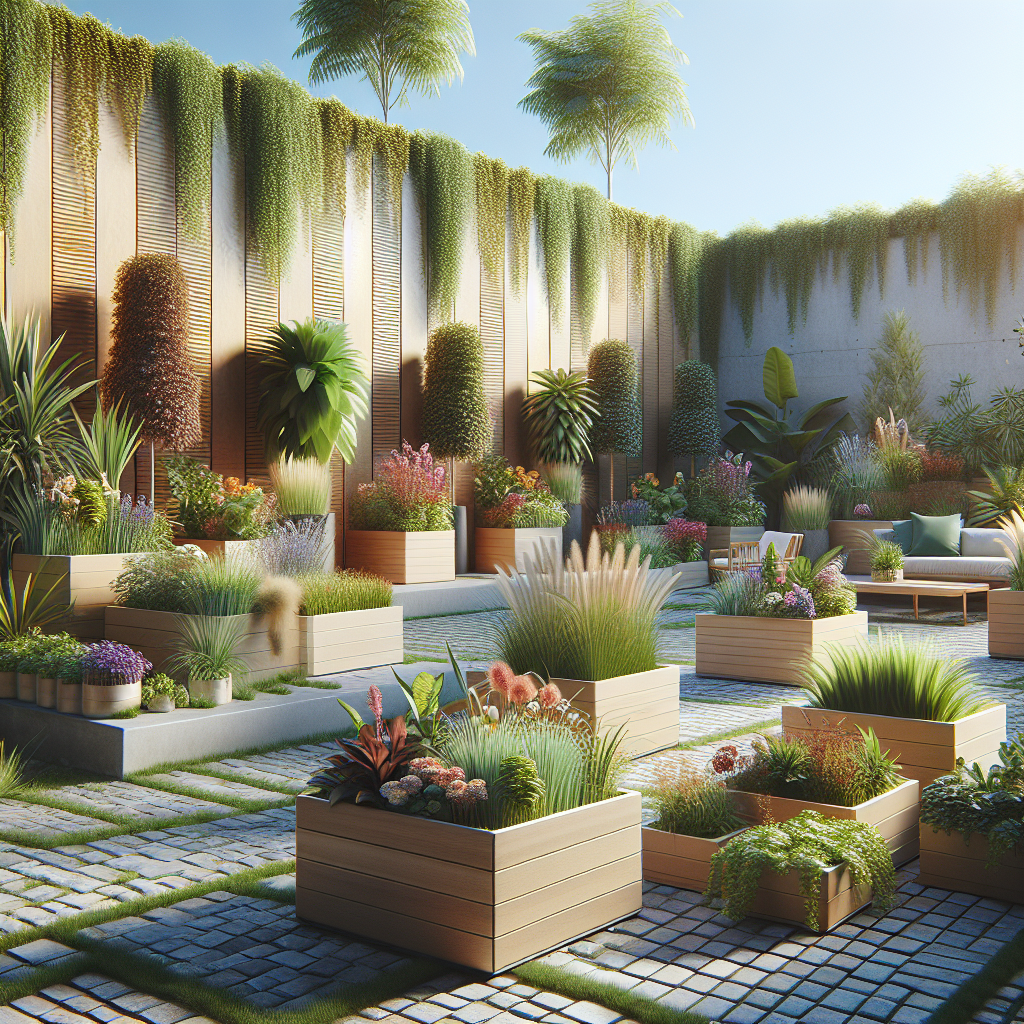
In recent years, gardening has surged in popularity, transforming spaces both indoors and out. One of the most versatile and stylish ways to incorporate greenery into your environment is through large rectangular planters. Unlike traditional round pots, these planters can serve as stunning focal points, functional dividers, or even unique seating. In this article, we’ll explore a multitude of ideas, styles, and types of plants suited for large rectangular planters, offering inspiration for everyone from seasoned gardeners to curious novices.
Why Choose Large Rectangular Planters?
Versatility
One of the most compelling reasons to opt for large rectangular planters is their versatility. They can adapt to various settings—urban balconies, spacious backyards, or even commercial environments. Their elongated shape allows for creative arrangements, from formal hedging to vibrant displays of mixed plantings.
Space Efficiency
Large rectangular planters utilize space effectively. They can be positioned against walls, on patios, or aligned along pathways. This space-saving design makes them an excellent choice for smaller urban gardens or narrow balcony spaces where circular planters might consume too much area.
Design Aesthetic
The clean lines of rectangular planters lend a contemporary vibe to any garden or interior space. They can range from sleek modern materials such as fiberglass and metal to more rustic wooden designs, allowing for endless customization opportunities.
Increased Plant Variety
These spacious planters can hold a more diverse selection of plants. The generous soil volume supports a variety of root systems and allows for combinations of tall, medium, and trailing plants to create a visually exciting display.
Choosing the Right Material
When it comes to large rectangular planters, the material has a significant impact not only on aesthetics but also on durability and maintenance. Here’s a breakdown of popular materials:
1. Wood
Pros:
- Natural look that blends well with outdoor settings.
- Good insulation for roots.
Cons:
- Prone to rot unless treated.
- Requires regular maintenance (staining, sealing).
Tip: Consider cedar or redwood for outdoor use, as these are more resistant to decay.
2. Plastic
Pros:
- Lightweight and easy to move.
- Durable and often UV resistant.
Cons:
- Can fade over time and appear less natural.
Tip: Choose high-density polyethylene (HDPE) for a more durable option.
3. Fiberglass
Pros:
- Extremely durable and lightweight.
- Smooth finish allows for a modern aesthetic.
Cons:
- Can be more expensive; not biodegradable.
Tip: Look for fiberglass planters with built-in drainage systems to promote healthy root growth.
4. Metal
Pros:
- Offers a sleek and modern appearance.
- Durable and resistant to pests.
Cons:
- Can get hot in the sun, which may not be good for all plants.
Tip: Consider galvanized steel or copper for added aesthetic appeal.
5. Concrete
Pros:
- Robust and weather-resistant.
- Offers excellent insulation for roots.
Cons:
- Heavy and can be cumbersome to move.
Tip: Use lightweight concrete alternatives for easier maneuverability.
Now that we understand materials, let’s explore some design ideas to help you get the most out of your large rectangular planters.
Design Ideas for Large Rectangular Planters
1. Vertical Gardens
What are vertical gardens?
Vertical gardens or living walls allow you to vertically integrate plants into your space, maximizing limited floor area.
How to Create a Vertical Garden in a Rectangular Planter
- Structure: Build a frame using trellises, lattice, or metal grids placed vertically within the planter.
- Plant Selection: Choose climbing plants, such as peas, cucumbers, or flowering vines, along with cascading plants like ivy or trailing petunias.
- Maintenance: Regularly monitor growth and provide support for climbing plants.
2. Herb and Vegetable Garden
Why plant herbs and vegetables?
Growing culinary herbs and vegetables in your rectangular planter encourages fresh eating and helps you connect with your food.
What are some ideal plants?
- Herbs: Basil, mint, parsley, and cilantro do exceptionally well in containers.
- Vegetables: Lettuce, radishes, and cherry tomatoes thrive in this setting.
Maintenance tips:
- Ensure proper drainage and nutrient-rich soil.
- Water regularly, especially during hot weather.
3. Succulent and Cactus Arrangements
What makes succulents and cacti great for planters?
These drought-resistant plants are ideal for low-maintenance gardening and can provide a modern aesthetic.
Design Tips:
- Incorporate sandy or gravelly soil to enhance drainage.
- Mix different varieties in layers, using larger plants as a backdrop.
4. Bamboo Screens for Privacy
How can bamboo improve privacy?
Bamboo can create a visually pleasing and effective screen, providing privacy while also adding greenery to your space.
Planting Guide:
- Choose fast-growing bamboo varieties and intersperse them within the planter for a natural look.
- Ensure proper spacing to allow for air circulation and light.
5. Colorful Flower Displays
Why utilize seasonal flowers?
Seasonal flowers add vibrant color and a sense of changing seasons to your outdoor area.
Plant Selection:
- Spring: Tulips, daffodils, and pansies.
- Summer: Marigolds, daisies, and zinnias.
- Fall: Asters and ornamental cabbage.
Best Practices:
- Rotate plants seasonally to keep the display fresh and lively.
6. Mixed Greens and Flowers
Combining flowers and greens can provide a lush, overflowing effect.
What Grows Well Together?
- Use tall greenery, like ornamental grasses, in the back, and shorter flowering plants in the front.
- Opt for complementary colors to create visual harmony.
Maintenance and Care
Maintaining your large rectangular planters doesn’t have to be daunting. Here are some key tips for ensuring your plants thrive:
Watering
How often should I water?
- Water deeply but infrequently to encourage deep root growth.
- Check moisture levels by inserting your finger into the soil; if it feels dry an inch down, it’s time to water.
Fertilizing
What is the best fertilizer for planters?
- Use a slow-release organic fertilizer during the growing season.
- Adjust feeding based on plant type; for instance, herbs may need less fertilizer than flowering plants.
Pruning and Deadheading
Why is pruning vital?
- Pruning encourages new growth and can help control size.
- Deadheading spent flowers prevents plants from going to seed.
Pest Control
How to manage pests?
- Monitor plants closely for signs of pests like aphids or spider mites.
- Use natural pest deterrents, such as neem oil or insecticidal soap, to address issues without harming beneficial insects.
Frequently Asked Questions
Q1: Can large rectangular planters be used indoors?
Absolutely! Large rectangular planters can serve as attractive indoor ornamentation. Make sure to choose a location that gets adequate light and ensure proper drainage to prevent overwatering.
Q2: How do I prevent my planter from becoming too heavy?
If you’re concerned about weight, opt for lightweight materials like fiberglass or select vertical planting structures to reduce the load of soil per square foot.
Q3: Will my planter overflow during heavy rains?
Make sure to choose planters with ample drainage holes. If they are too close to the ground, consider elevating them on small platforms to improve drainage during rainstorms.
Q4: How do I winterize my outdoor planters?
- Remove any dead or diseased plants.
- Apply a layer of mulch to protect roots from freezing temperatures.
- If possible, move planters indoors or to a sheltered area.
Q5: Can I grow dwarf trees in rectangular planters?
Yes! Dwarf varieties of trees such as boxwood, Japanese maple, or even small fruit trees can thrive in rectangular planters, creating unique focal points in your landscape.
Final Thoughts
Large rectangular planters are not merely functional items; they are canvases that can house a multitude of gardening styles and approaches. Whether you’re opting for a vertical garden, a cluster of herbs, or a burst of colorful flowers, the possibilities are endless. With the right materials and thoughtful design, your planter will not only beautify your space but also provide a thriving environment for your plants.
As you embark on your gardening journey with large rectangular planters, embrace the creativity and joy that gardening can bring—it’s not just about the plants; it’s about cultivating a serene space that reflects your personality and style. May your large rectangular planters become the heart of your landscape, providing lush greenery, vibrant flowers, and a sense of tranquility. Happy planting!