
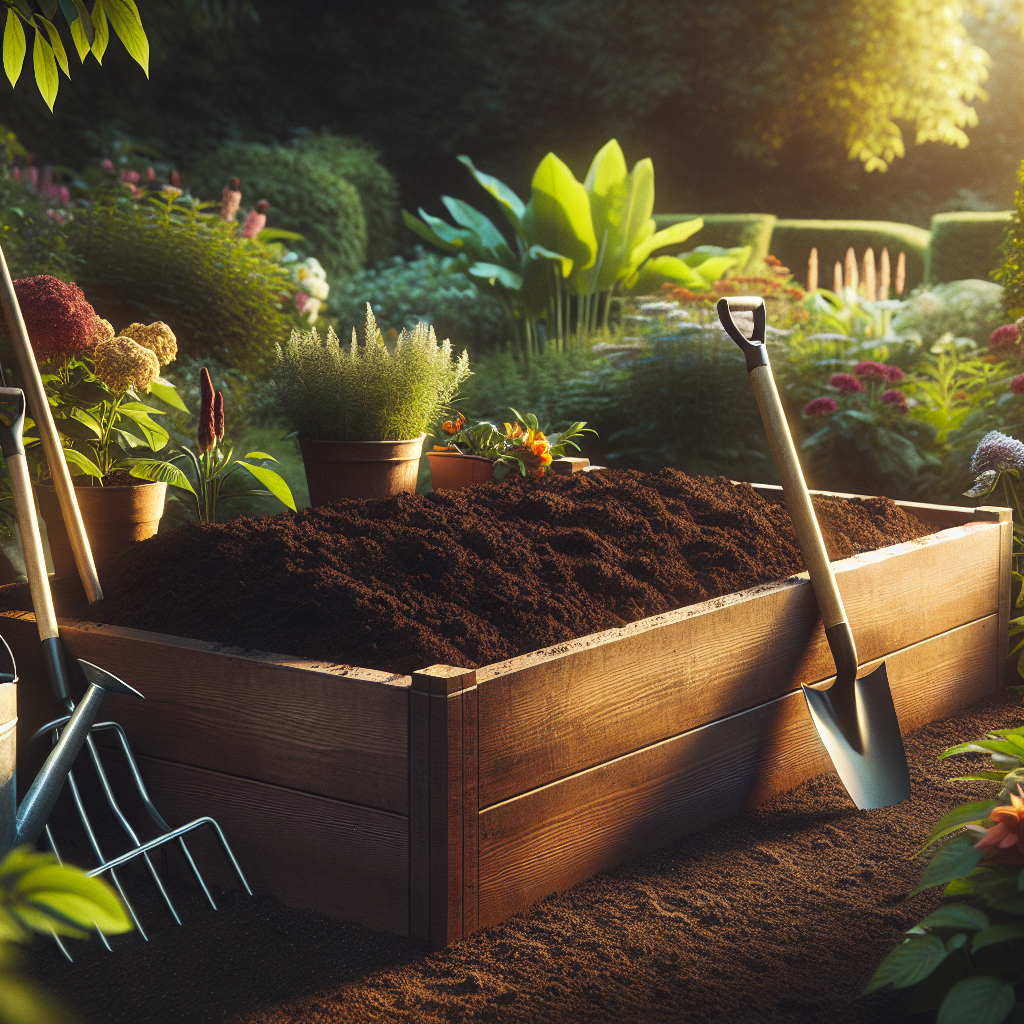
Creating a raised garden bed is one of the best ways to cultivate a thriving vegetable or flower garden. Not only do raised garden beds provide excellent drainage, but they also offer a controlled growing environment, reducing soil compaction and weeds. However, the success of your raised garden bed begins long before you plant your seeds; it starts with preparing the soil. In this article, we will explore the step-by-step process of preparing soil for a raised garden bed while answering common questions that newcomers and seasoned gardeners alike might have.
Why Go for Raised Garden Beds?
Before diving into soil preparation, let’s examine why raised garden beds are a popular choice:
- Improved Drainage: The elevated structure promotes better drainage, reducing the risk of root rot.
- Easy Access: Easily manageable height makes it convenient for planting, weeding, and harvesting.
- Enhanced Soil Quality: Allows you to control the soil composition, essential for growing healthy plants.
- Pest Control: When raised, the soil is less accessible to certain pests, like slugs and snails.
- Extended Growing Season: Soil warms up faster, enabling early planting in spring.
Preparing Soil for Raised Garden Beds: Step-by-Step
1. Choosing the Right Location
Question: How do I select the best location for my raised garden bed?
Answer: Look for an area that receives 6 to 8 hours of direct sunlight daily while being protected from strong winds. Ensure that the site has good drainage; avoid locations that tend to puddle or accumulate water.
2. Selecting Materials for the Raised Bed
Question: What materials are suitable for building raised garden beds?
Answer: You can use a variety of materials to construct the sides of your raised garden bed:
- Wood: Cedar and redwood are naturally rot-resistant but can be expensive. Pressure-treated wood is durable but should be avoided for food crops due to chemical leaching.
- Metal: Galvanized steel or aluminum provides durability and a modern aesthetic.
- Concrete Blocks or Bricks: Long-lasting and provide great insulation for roots.
- Repurposed Materials: Old doors, pallets, or even wine barrels can create a unique look while being eco-friendly.
3. Bed Dimensions
Question: What dimensions should I choose for my raised garden bed?
Answer: A popular dimension is a rectangular shape measuring 4 feet wide by 8 feet long. This width allows you to reach the center of the bed without stepping on the soil, which helps to maintain its structure. The height can vary; generally, a 12- to 24-inch height is optimal for root growth.
4. Building the Frame
Step-by-Step Instructions:
- Cut your materials to the desired dimensions.
- Assemble the frame using corner brackets or wood screws for stability.
- Level the frame in place; you might want to dig a shallow trench or fill low areas inside the frame with soil.
- Secure the corners for durability.
5. Soil Composition: What to Use
Question: What is the best soil mix for a raised garden bed?
Answer: The ideal soil mix is a combination of three critical components:
- Topsoil: This should make up about 40-60% of your mix and provides foundational nutrients.
- Compost: About 30% of your mix should consist of well-aged compost or other organic matter. Compost improves soil structure and provides a slow-release source of nutrients.
- Aeration Material: About 10-20% of materials like peat moss, coconut coir, or perlite can improve aeration and help with water retention.
DIY Mix Recipe:
- 40% Topsoil
- 30% Compost
- 20% Peat Moss or Coconut Coir
- 10% Perlite or Vermiculite
6. Soil Preparation: Mixing and Adding Amendments
Question: How do I prepare the soil mix for planting?
Answer: Once you gather all the components, follow these steps:
- Layer the Ingredients: Mix them directly in the raised bed or in a wheelbarrow for ease.
- Moisten the Mixture: Water it slightly to help bind the components together, but be careful not to over-saturate it.
- Till the Soil: Use a spade or garden fork to mix all the ingredients thoroughly. This ensures that each component is evenly distributed.
- Test Soil pH: Most vegetables prefer a pH between 6.0 and 7.0. Home testing kits are available, and if your soil is too acidic or alkaline, appropriate amendments can be added.
7. Adding Nutrients
Question: Should I add more nutrients or fertilizers to the soil mix?
Answer: While the aforementioned mix provides a good nutrient base, you can enhance it based on crop needs:
- Bone Meal: For phosphorus, which is vital for root development.
- Blood Meal: A nitrogen booster for leafy greens.
- Kelp Meal: Rich in trace minerals and promotes healthy growth.
8. Filling the Raised Bed
Now that your soil is prepared, it’s time to fill your raised garden bed:
- Layer the Soil: Fill the bed with your prepared mix, leaving about an inch of space at the top to minimize overflow during watering.
- Square Off the Bed: Use a rake to level the surface and create a smooth top that will help with planting.
9. Mulching
Question: Should I use mulch in my raised garden bed?
Answer: Absolutely! Mulching serves several purposes:
- Weed suppression
- Moisture retention
- Temperature regulation
Organic mulches, such as straw or shredded leaves, break down over time and contribute to soil health.
10. Watering the Soil
Before planting, ensure the soil is adequately moist but not soggy:
- Give the filled bed a deep watering.
- Let it sit for a few days; this allows any settling and helps you gauge whether you need to add more soil.
11. Timing is Key
Question: When is the best time to prepare soil for a raised garden bed?
Answer: Ideally, you should prepare your raised garden bed soil a few weeks before your planting date. This gives the soil time to settle, nutrients to stabilize, and beneficial microbes to establish themselves.
12. Seasonal Adjustments
As seasons change, you need to adjust your soil preparation:
- Spring: Fresh compost can be added as a top layer before planting.
- Fall: Consider planting a cover crop (like clover or rye) to naturally enrich the soil over the winter.
Troubleshooting Soil Issues
Question: What if I encounter problems with my soil?
Common Issues:
-
Compaction: Over time, soil can compact. Aerate it using a garden fork or add more organic matter to improve structure.
-
Nutrient Deficiencies: Yellowing leaves may signal nitrogen deficiency. Adding compost or organic fertilizers can help restore balance.
-
Drainage Issues: If water pools, consider incorporating sand or small rocks to improve drainage.
Getting Started: Planning Your First Garden
Question: How do I decide what to plant in my raised garden bed?
Answer: Start small and plan based on the following:
- Climate: Understand what crops thrive in your local climate.
- Companion Planting: Some plants benefit from each other’s presence; for example, tomatoes grow well with basil.
- Garden Layout: Consider the sun’s movement and plan your layout accordingly.
Conclusion
Preparing soil for a raised garden bed involves more than just filling a wooden frame with dirt. It requires careful consideration of materials, compost, and nutrient balance, along with ongoing adjustments as plants grow. By following the detailed steps outlined in this article, you are well on your way to creating a vibrant, productive garden that can yield plenty of fresh produce and colorful blooms.
So roll up your sleeves, gather your materials, and get ready to cultivate your soil; your raised garden bed is a canvas waiting to be transformed into your personal oasis of greenery! Happy gardening! 🌱