
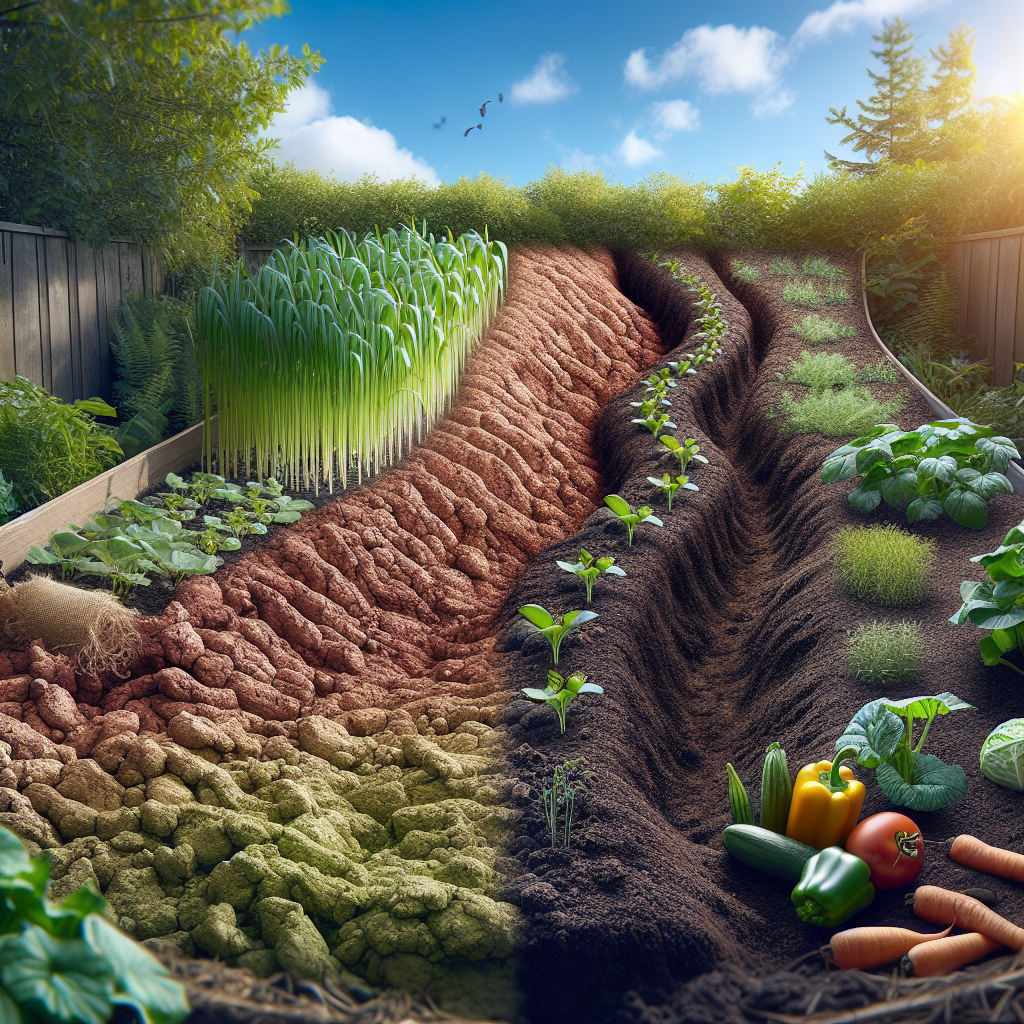
Gardening enthusiasts often consider the type of soil they work with as one of the most crucial factors impacting their success. Clay soil, while challenging, carries rich nutrients and can be transformed into fertile garden soil with the right techniques. This guide aims to provide you with in-depth information on how to convert clay soil into garden soil, along with answers to common questions gardeners have about this process.
Understanding Clay Soil
What is Clay Soil?
Clay soil is primarily composed of tiny, densely packed particles. These particles are so small that they can hold significant water and nutrients, making clay soil fertile. However, its compact nature makes it challenging for roots to penetrate and can lead to poor drainage. It’s essential to understand these characteristics when you set out to improve this soil type for gardening.
What are the Problems Associated with Clay Soil?
-
Poor Drainage: Clay soil tends to retain water, leading to oversaturation, which can drown plant roots.
-
Compaction: The tightly packed soil makes it difficult for roots, air, and water to move through.
-
Nutrient Imbalance: While clay can hold nutrients, it might become overly saturated, washing away essential elements.
Why Improve Clay Soil?
Improving clay soil has numerous benefits:
- Better Drainage: Enhancing aeration and drainage helps prevent waterlogging.
- Root Growth: By loosening the soil structure, roots can grow and access nutrients more easily.
- Increased Microbial Activity: Healthy soil supports beneficial microbes that contribute to nutrient cycling.
How to Transform Clay Soil into Garden Soil
Step 1: Assess Your Current Soil
Before starting any transformation, assess your existing clay soil. Here’s how:
-
Visual Inspection: Look for puddling water, cracks when dry, and hard, compacted areas.
-
Soil Texture Test: Take a handful of soil, moisten it slightly, and squeeze it. If it clumps together and doesn’t break apart easily, you likely have high clay content.
Step 2: Improve Drainage
What are the best methods to improve drainage in clay soil?
-
Amend with Organic Matter: Incorporating organic materials like compost, leaf mold, or well-rotted manure can improve drainage. Aim for a 3-inch layer mixed and worked into the top 6-12 inches of soil.
-
Install Drainage Systems: If water pooling is significant, consider installing French drains or drainage tiles to direct excess water away.
Step 3: Loosen Up the Soil
How can you effectively loosen clay soil?
-
Tilling: Use a garden fork or mechanical tiller to aerate the soil. Tilling should be done when the soil is slightly moist (not wet) as this prevents further compaction.
-
Cover Crops: Planting deep-rooted plants, such as radishes or clover, can break up compacted layers when their roots grow. These plants can be turned back into the soil to enrich it as organic matter.
Step 4: Add Soil Amendments
What additives work best for clay soil?
-
Gypsum: Helps to break down clay particles, improves soil structure, and enhances drainage without altering pH significantly.
-
Sand: Coarse sand can improve soil texture, but it requires generous amounts of organic material to be beneficial effectively.
-
Biochar: This charcoal-like substance can improve soil aeration and nutrient retention.
-
Compost and Manure: Both add nutrients and improve soil structure.
Step 5: Regular Maintenance
How often and what should you maintain?
-
Soil Testing: Regular soil tests help track pH and nutrient levels.
-
Regular Adding of Amendments: Incorporate organic matter annually for sustained health.
-
Mulching: Applying mulch can help keep moisture levels balanced while suppressing weeds.
Step 6: Choosing the Right Plants
What plants do well in clay soil?
Certain plants thrive in clay soil. Consider incorporating native plants which are more adapted to local conditions:
-
Sedum: Hardy succulents that require minimal maintenance.
-
Daylilies: Deliciously fragrant flowers that do well in dense soil.
-
Bee Balm: Attractive to pollinators and resilient in poor conditions.
Step 7: Watering Techniques
What are the best practices for watering clay soil?
-
Less Frequent, Deeper Watering: Instead of frequent shallow watering, water deeply less often to encourage deep root growth.
-
Drip Irrigation: Consider installing a drip irrigation system to deliver moisture directly to the roots without over-saturating the soil.
Common Questions about Transforming Clay Soil
-
How long does it take to improve clay soil?
- The time can vary based on initial conditions and the techniques used, but significant improvements typically show within one growing season of active intervention.
-
Will adding sand alone work?
- Not typically. While sand can help, it must be combined with organic matter to achieve optimal soil structure.
-
Is it necessary to test my soil?
- Yes! Understanding pH and nutrient levels is vital to choosing the right amendments.
-
Can I plant immediately after improving the soil?
- It’s best to allow some time for amendments to break down and integrate into the soil before planting, ideally waiting a few weeks.
-
How often do I need to amend my soil?
- Incorporating organic matter annually is recommended for ongoing soil health.
Best Practices for Long-Term Success
-
Continuous Learning: Gardening is a journey, and staying informed about soil health and plant requirements will benefit your garden.
-
Utilize Raised Beds: If clay soil remains a major challenge, consider building raised garden beds filled with well-drained soil and compost.
-
Compost Regularly: Starting a compost pile not only provides a free source of organic amendments but also reduces waste.
-
Rotate Crops: Diversifying what you plant each year prevents the depletion of specific soil nutrients.
-
Integrate Companion Planting: Certain plants can naturally improve soil quality and deter pests when planted together.
Conclusion
Transforming clay soil into productive garden soil is a rewarding endeavor that requires effort, patience, and a strategic approach. By understanding the properties of clay soil, employing effective techniques to amend and maintain it, and choosing suitable plants, you pave the way for a thriving garden. As you continue to improve your soil, remember that healthy soil fosters healthy plants, leading to a bountiful harvest and a beautiful garden landscape.
Equipped with this knowledge, you can transform your clay soil into a flourishing garden that not only sustains plants but enriches your gardening experience. Happy gardening!