
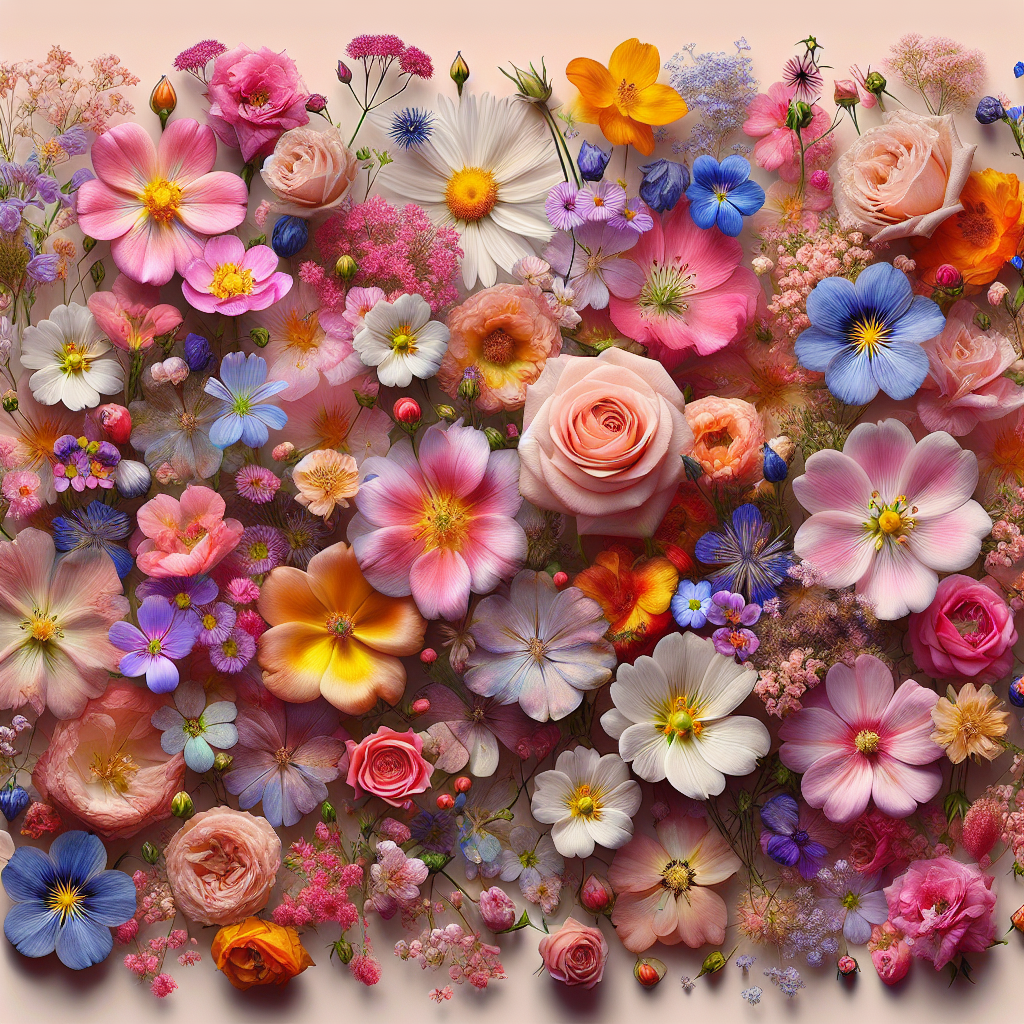
Small pretty flowers, often overlooked in favor of their larger, showier counterparts, possess a unique charm and essential role in the ecosystem. These delicate blooms—ranging from tiny wildflowers to diminutive garden varieties—enrich our world visually and ecologically. This article delves into the fascinating realm of small pretty flowers, addressing common questions, exploring their significance, and highlighting their diverse beauty.
The Beauty of Small Flowers
What are Small Pretty Flowers?
Small pretty flowers can be described as floral specimens that usually feature petite petals and modest profiles. These flowers often bloom in clusters, creating a striking visual effect that captures the eye. Common small flowers include daisies, violets, forget-me-nots, and alyssum, among others. Each has its unique color palette, leaf structure, and fragrance, making them diverse yet collectively enchanting.
Why Are Small Flowers Important?
Small flowers play a crucial role in the ecosystem. They provide food sources for pollinators, including bees, butterflies, and hummingbirds. Their subtle beauty can enhance landscapes, stimulate sensory experiences, and inspire artistic expressions. Furthermore, small flowers can indicate environmental health and are often used in traditional medicine.
The Ecological Significance of Small Flowers
How Do Small Flowers Support Biodiversity?
Pollinator Attractants:
Small flowers often bloom earlier in spring or later in the fall when food sources are scarce for pollinators. Their nectar and pollen provide essential nutrition during these critical times, fostering greater biodiversity. Consequently, promoting the growth of small flowering plants can make a significant impact on local ecosystems.
Habitat Formation:
Many small flowers are native to their regions, acting as anchor points for ecosystems. They can help stabilize soil, prevent erosion, and create a protective habitat for various creatures, from insects to small mammals. By maintaining biodiversity, small flowers contribute to a healthy environment.
What Role Do Small Flowers Play in Medicine?
Throughout history, many small flowers have been utilized for their medicinal properties. For example, the common chamomile flower (Matricaria chamomilla) is renowned for its calming effects and is frequently used in herbal teas. Similarly, the tiny calendula flower (Calendula officinalis) is known for its anti-inflammatory and healing properties, making it popular in skincare products.
Cultivating Small Flowers in Your Garden
How Can You Grow Small Flowers?
Growing small flowers can be an incredibly rewarding endeavor. Here are a few steps to consider:
-
Choose the Right Location: Ensure that the chosen site receives adequate sunlight and is well-drained. Many small flowers thrive in full sun, although some prefer partial shade.
-
Selecting Varieties: Pick an assortment of small flowering plants that appeal to you and are suited for your climate. Some excellent choices are:
- Forget-Me-Nots (Myosotis spp.): Known for their sky-blue flowers and forget-me-not symbolism.
- Dwarf Sunflowers (Helianthus annuus): These bring a cheerful yellow to your garden without taking up much space.
- Creeping Thyme (Thymus serpyllum): A fragrant, low-growing flowering herb that attracts pollinators.
-
Soil Preparation: Use nutrient-rich soil that provides good drainage. Enrich it with organic matter, such as compost.
-
Planting: Follow the specific planting depth and spacing recommendations for each variety. Many small flowers benefit from being planted in clusters to create a stunning display.
-
Watering and Maintenance: Keep the soil consistently moist but not waterlogged. Regular deadheading may help encourage more blooms throughout the growing season.
What are the Best Times to Plant Small Flowers?
Typically, small annual flowers can be sown directly in the soil after the last frost in spring. Perennial small flowers should generally be planted in the fall or early spring depending on your climate, allowing them time to establish their roots well before the heat of summer.
Decorating Your Space with Small Flowers
Where Can You Use Small Flowers for Decoration?
Small flowers can enhance a variety of spaces and occasions, from intimate gatherings to public parks:
-
In Your Home: As potted plants on windowsills, kitchen tables, or accent furniture pieces, small flowers bring life and color indoors.
-
For Special Occasions: Bouquets made of small flowers can be an elegant choice for weddings, birthdays, and other celebrations.
-
Outdoor Spaces: Dotted along pathways, rock gardens, or as ground cover, they contribute to the natural beauty of your outdoor environment.
How Can You Arrange Small Flowers?
Arranging small flowers can create beautiful visual displays. Here are a few tips:
-
Mix Colors and Textures: Combine flowers of various shades and textures to create depth and variety.
-
Group in Odd Numbers: Arranging flowers in clusters of three, five, or seven can create a more natural aesthetic.
-
Layer Heights: Utilize flowers of varying heights to build dimension in your arrangements. Tall flowers can create a striking backdrop.
-
Incorporate Foliage: Using leaves and greenery can add a contrasting texture that enhances the beauty of your small flowers.
The Aesthetic Appeal of Small Flowers
Why Are Small Flowers So Appealing?
Whimsical Charm:
Small flowers exude a whimsical charm, bringing a sense of joy and playfulness to gardens and meadows. Their petite size invites close observation, allowing us to appreciate intricate details that may otherwise go unnoticed.
Colorful Versatility:
Small flowers come in a diverse range of colors—from vibrant yellows to gentle pinks and deep blues—allowing them to fit into virtually any gardening scheme. Their ability to complement larger plants can help create balance and contrast in floral displays.
How Do Small Flowers Influence Art and Literature?
Artists and poets have long been inspired by small flowers. Famous works of literature often reference humble blooms like daisies or violets, symbolizing innocence, love, or fleeting beauty. In the visual arts, small flowers have been the subject of countless still-lifes, bringing attention to their detail and simplicity.
The Cultural Symbolism of Small Flowers
What Do Different Small Flowers Symbolize?
-
Forget-Me-Not: Symbolizes remembrance and true love. These dainty blue flowers often represent eternal bonds, making them a favorite in commemorative gardens.
-
Daisy: Represents purity and innocence. Daisies are often associated with childhood memories and the simplicity of life.
-
Violets: Symbolize faithfulness and modesty. Their subtle beauty makes them widely celebrated in various cultures.
Are Small Flowers Associated with Specific Cultures?
In many cultures, small flowers hold distinct meanings:
-
Japanese Culture: Cherry blossoms (Sakura), although not small in stature, represent the transient nature of beauty—a fitting reminder of the brief blooming period of small flowers.
-
Victorian Era: The language of flowers, or “floriography,” assigned meanings to various blooms. Small flowers like violets and daisies conveyed messages of love and innocence.
Frequently Asked Questions
Are Small Flowers Suitable for Pollinators?
Yes! Many small flowers are particularly appealing to pollinators due to their size, shape, and availability of nectar and pollen. Planting diverse small flowering species can attract various pollinators to your garden.
Can Small Flowers Thrive in Containers?
Absolutely! Many small flowers are ideal for container gardening. They can thrive in pots, hanging baskets, or window boxes, allowing you to display their beauty even in limited spaces.
Do Small Flowers Require Special Care?
Most small flowers are relatively low-maintenance. While specific requirements vary by species, many small flowers can thrive in average soil conditions with moderate watering and some sunlight.
Conclusion
Small pretty flowers hold a unique place in both nature and human culture. They add charm and beauty to our surroundings while serving vital ecological roles. From their historical significance and symbolism in various cultures to their influence in art and literature, small flowers are true gems of the botanical world. Whether you’re a gardener, an artist, or simply an admirer of nature, don’t overlook the exquisite charm that these delicate blooms offer. By appreciating and cultivating small flowers, we not only enrich our environments but also celebrate the wonders of nature that often go unnoticed.
As we continue to delve into this enchanting aspect of botany, let these small pretty flowers remind us of the beauty in simplicity and the intricate connections of life that bind us all together. So, the next time you spot a tiny blossom swaying gently in the breeze, take a moment to pause, appreciate, and reflect on the tiny wonders that enhance our world.