
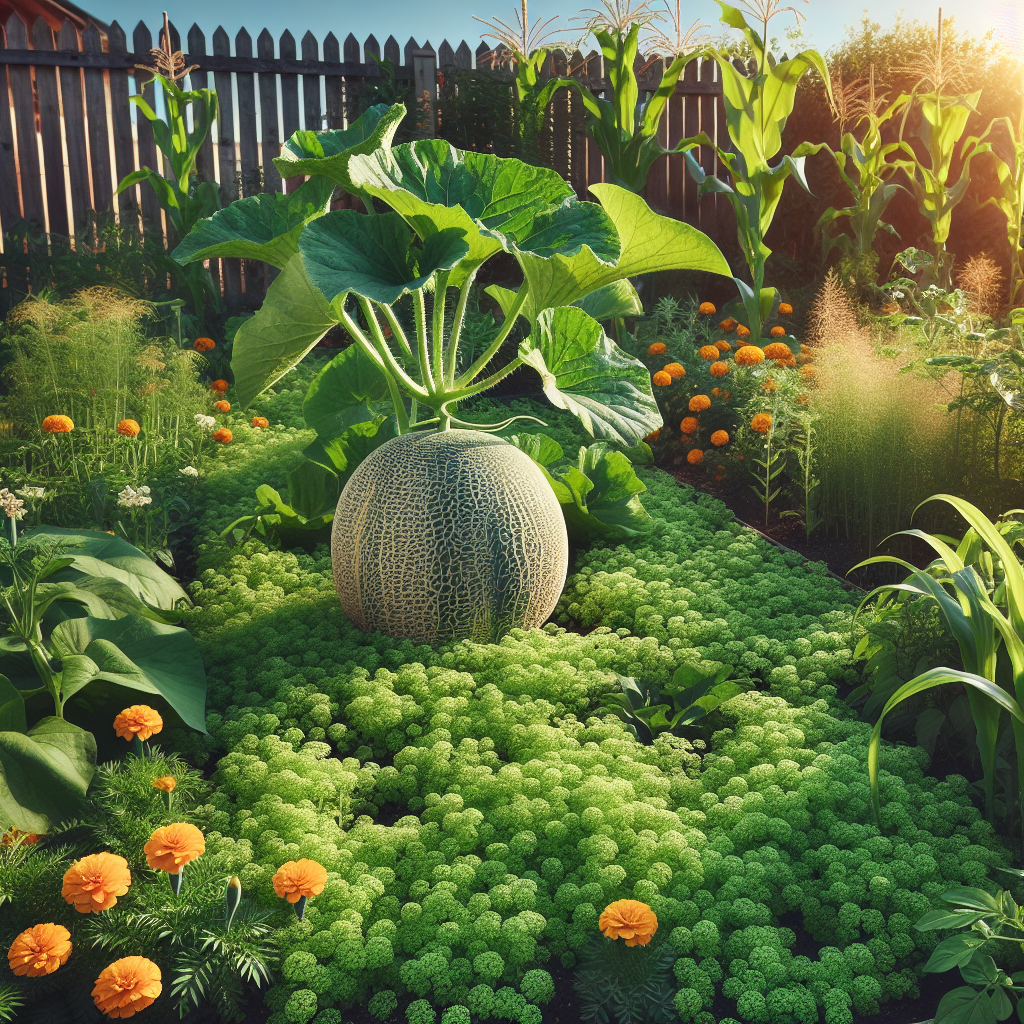
Cantaloupe (Cucumis melo), a warm-season fruit beloved for its sweet, juicy flesh and vibrant aroma, thrives under the right growing conditions. These melons, packed with vitamins A and C, are a staple in summer gardens. To maximize yields and enhance the growth of cantaloupe, many gardeners turn to the practice of companion planting. But what is companion planting, and how does it benefit cantaloupe? In this article, we will explore the ins and outs of companion planting for cantaloupe, answer frequently asked questions, and delve into the benefits of this synergistic gardening technique.
What is Companion Planting?
Companion planting refers to the strategic pairing of different plants to promote growth, repel pests, attract beneficial insects, and improve soil health. This ancient gardening technique is rooted in the understanding that plants can positively influence one another. The idea is to cultivate a diverse ecosystem in your garden, where different species coexist to create a balanced and productive environment.
Why is Companion Planting Beneficial for Cantaloupe?
- Pest Control: Certain plants deter pests that are harmful to cantaloupe.
- Soil Improvement: Some companion plants enrich the soil with nutrients essential for melon growth.
- Pollinator Attraction: Flowers can attract beneficial pollinators, increasing fruit set.
- Shade and Wind Protection: Taller plants provide necessary shade and windbreaks, particularly in hot climates.
- Weed Suppression: Ground-covering plants minimize weed growth, making it easier to maintain a healthy garden.
Ideal Companion Plants for Cantaloupe
1. Marigolds (Tagetes spp.)
Benefits: Marigolds are known for their ability to repel nematodes and various harmful insects, including aphids and whiteflies. They also attract beneficial insects such as ladybugs and lacewings that prey on pests.
Planting Tips: Plant marigolds around the perimeter of your cantaloupe patch or intersperse them within the rows to maximize their protective qualities.
2. Basil (Ocimum basilicum)
Benefits: Basil not only enhances the flavor of cantaloupe but also repels pests, such as aphids and thrips. Its aromatic oils can mask the scent of melons from harmful insects.
Planting Tips: Plant basil alongside cantaloupe, as they thrive in similar conditions. Leave enough space for each plant to spread out without overcrowding.
3. Nasturtiums (Tropaeolum majus)
Benefits: Nasturtiums are excellent at attracting aphids away from cantaloupe plants. They also act as a trap crop, drawing pests to themselves and keeping them off the melons.
Planting Tips: Utilize nasturtiums as ground cover or plant them at the edges of your cantaloupe garden for pest attraction without compromising melon health.
4. Radishes (Raphanus sativus)
Benefits: Radishes can deter cucumber beetles and other pests. Their fast-growing nature allows them to be harvested early, freeing up space for cantaloupe as they mature.
Planting Tips: Sow radishes directly between cantaloupe seedlings to benefit from their pest-repelling qualities.
5. Corn (Zea mays)
Benefits: Corn provides a natural trellis for cantaloupe vines, helping them climb and keeping them off the ground – which reduces the risk of soil-borne disease.
Planting Tips: Plant corn in blocks to allow for good pollination, then train cantaloupe vines to climb the stalks.
6. Beans (Phaseolus spp.)
Benefits: Beans improve soil nitrogen content, a vital nutrient that cantaloupe craves. They also provide some horizontal coverage, which helps retain soil moisture.
Planting Tips: Use pole beans to climb horizontal supports, allowing cantaloupe to occupy the ground space effectively.
7. Cabbage Family (Brassica spp.)
Benefits: Members of the cabbage family, such as kale and broccoli, can deter pests like aphids and caterpillars, which are common threats to cantaloupe.
Planting Tips: Space these plants to prevent overshadowing the cantaloupe while still benefiting from their pest deterrence.
8. Zucchini (Cucurbita pepo)
Benefits: Like cantaloupe, zucchinis are heavy feeders. When interplanted, they can help create a dense canopy, which can deter weeds and retain soil moisture.
Planting Tips: Maintain a good distance to avoid overcrowding, while still allowing these plants to benefit each other.
Frequently Asked Questions About Companion Planting for Cantaloupe
1. How do I know if the plants I’m choosing will benefit cantaloupe?
Answer: Research the companion plants you are considering, focusing on their pest-repelling qualities, growth habits, and nutrient requirements. Plants that share similar needs in terms of sunlight, soil, and watering will work best as companions.
2. Can I plant cantaloupe near other melons or squash?
Answer: Yes, melons can be planted near other cucurbits, including squash and cucumbers. However, be cautious of cross-pollination, which can affect the flavor of your harvest. It’s best to ensure adequate space between varieties to maintain their distinct characteristics.
3. How close should companion plants be to cantaloupe?
Answer: The spacing will depend on the species of companion plant and its growth habit. For larger plants like corn or beans, ensure they have sufficient space to grow tall while allowing cantaloupe direct access to sunlight.
4. What soil conditions are optimal for cantaloupe and its companions?
Answer: Cantaloupe thrives in well-draining soil with a pH between 6.0 and 6.8. Incorporating organic matter, such as compost, can help create nutrient-rich conditions for both cantaloupe and its companions.
5. Should I be concerned about disease transmission among plants?
Answer: Yes, some plants can harbor diseases that may spread to companions. Keeping a diverse array of plants will reduce the risk of disease outbreaks. Maintain good air circulation and sanitation in your garden to minimize risks.
Tips for Successful Companion Planting with Cantaloupe
-
Plan Your Garden Layout: Map out your garden to consider sun exposure, spacing, and the growth patterns of both cantaloupe and its companions.
-
Rotate Crops: Each growing season, change the location of your cantaloupe and its companion plants to reduce soil-borne diseases and pests.
-
Monitor Growth and Health: Regularly check for signs of pests or disease, adjusting the companion planting strategy as necessary to ensure both your melons and companions thrive.
-
Utilize Vertical Space: Employ trellising solutions for vining plants to maximize space and light access.
-
Educate Yourself on Plant Characteristics: Understanding the nature of the plants you choose as companions can greatly affect your success with cantaloupe. Some plants may be too aggressive or competitive, hindering the growth of your melons.
The Art of Harvesting and Enjoying Your Cantaloupe
With a good companion planting strategy in place, your cantaloupe will flourish, yielding an abundant harvest. The ideal time to harvest cantaloupe is when they develop a sweet aroma and the stem begins to turn brown. Gently apply pressure at the blossom end—if it releases easily, it’s time to pick!
Culinary Uses for Cantaloupe: A Final Touch
Cantaloupe can be enjoyed in numerous ways:
- Fresh Slices: Cut and serve for a refreshing snack.
- Salads: Combine with feta cheese, mint, and a drizzle of balsamic glaze.
- Smoothies: Blend with yogurt and spinach for a nutrient-packed drink.
- Chilled Soups: Pureed with refreshing spices for a cooling summer dish.
- Cantaloupe Jam: Preserve your harvest to enjoy throughout the year.
Conclusion
Companion planting is more than just a method for enhancing the growth of cantaloupe; it’s a sustainable and environmentally friendly approach to gardening. By combining cantaloupe with complementary plants like marigolds, basil, and beans, you can create a thriving ecosystem that boosts yields, repels pests, and improves soil quality. Embracing this diverse planting methodology allows you to share the bounties of your garden while promoting the health of your plants and, ultimately, your family’s wellbeing.
As you journey into the world of companion planting, remember that each garden is unique, and experimenting with different combinations can lead to enriching discoveries. Happy gardening!