
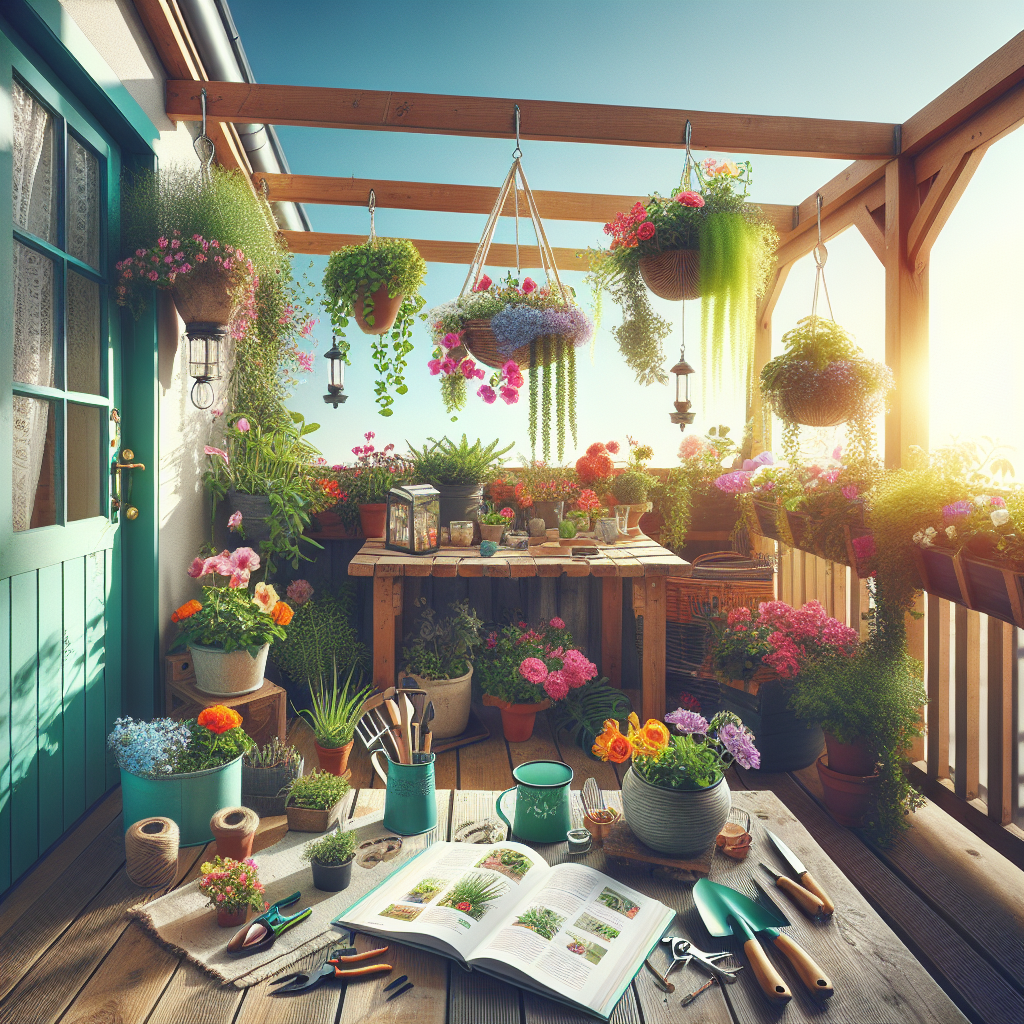
In an age where urbanization is at its peak, the vision of a lush, green balcony is not just a dream but a reality that many city dwellers are embracing. Hanging gardens for balconies have gained immense popularity, transforming simple outdoor spaces into vibrant natural ecosystems. A well-designed hanging garden can uplift not only the aesthetics of a balcony but also improve mental well-being and even contribute positively to the environment. In this comprehensive guide, we will delve deep into the concept of balcony hanging gardens, covering everything from design ideas, plant choices, benefits, and practical tips to help you create your own delightful green sanctuary.
Understanding the Concept of a Hanging Garden
What Is a Hanging Garden?
Hanging gardens refer to vertical gardens where plants are suspended, either from walls, railings, or hook systems, making effective use of limited space. Their design can be as simple as decorative pots or sophisticated vertical planters. In essence, a hanging garden creates an illusion of floating greenery, allowing plants to thrive even in compact urban environments.
Why Choose a Hanging Garden for Your Balcony?
Several factors make hanging gardens a smart choice:
-
Space Efficiency: Cities are crowded, and balconies often have limited floor space. Hanging gardens utilize vertical space, offering an abundant array of plants without consuming ground area.
-
Aesthetic Appeal: They add layers and dimensions to balconies, bringing freshness and personality.
-
Environmental Enhancement: Plants purify the air, increase humidity, and support biodiversity. Every hanging plant contributes to mitigating urban heat and pollution.
-
Personal Well-being: Studies show that interaction with greenery reduces stress, enhances mood, and improves productivity.
Design Inspiration: Crafting Your Dream Hanging Garden
What Are the Variations of Hanging Gardens?
There are numerous styles you can adopt when designing a hanging garden on your balcony. Here are some popular variations:
-
Classic Pot Hangers: You can use macramé hangers, hooks, or shelves to suspend pots at varying heights, creating an artistic display.
-
Vertical Planters: These come as pre-made systems or can be DIY projects using wooden pallets or repurposed crates that allow plants to grow vertically.
-
Wall-Mounted Planters: Install wall-mounted pockets or shelves to create a living wall. This option is customizable for both flowers and edible plants.
-
Ladder Garden: Repurpose an old ladder by leaning it against a wall and attaching pots along the rungs for a rustic look.
-
Tiered Plant Stands: Multi-layered stands can elevate the plants to varying heights, establishing depth and visual interest while maximizing sunlight exposure.
How Do You Choose the Right Location?
Choosing the right location on your balcony is vital for the successful growth of your hanging garden:
-
Sunlight Exposure: Assess the sunlight patterns throughout the day. Most flowers and herbs prefer 6-8 hours of sunlight, while shade-loving plants require filtered light.
-
Wind Protection: Balconies can be windy, which can harm hanging plants. Look for sheltered areas or invest in protective netting.
-
Visibility: Select locations that will be visible both from inside the home and from outdoor spaces. Hanging gardens should be appreciated from all angles.
Selecting the Perfect Plants
What Types of Plants Are Best for a Hanging Garden Balcony?
When choosing plants for your hanging garden, consider the following:
-
Decorative Flowers: Petunias, begonias, and trailing vines like ivy and string of pearls provide visual interest.
-
Herbs: Herbs such as basil, mint, and oregano thrive well in pots and offer the added benefit of being culinary delights.
-
Succulents: These hardy plants like jade or burro’s tail are low maintenance and come in a multitude of shapes and colors.
-
Edible Plants: Strawberries, cherry tomatoes, and compact peppers can be cultivated successfully in hanging planters, adding both beauty and functionality.
How Do You Care for Plants in Hanging Gardens?
Caring for plants in hanging gardens involves understanding their unique needs:
-
Watering: Ensure that the hanging pots have proper drainage holes. Most plants require moist soil, but avoid overwatering, particularly in a compact space where the soil can retain excess moisture.
-
Fertilizing: Use organic fertilizers or potting mixes that are nutrient-rich for sustained growth.
-
Pruning: Regularly prune your plants to encourage healthy growth and prevent overcrowding.
-
Pest Control: Keep an eye out for pests. You can use insecticidal soap or neem oil as a natural pest deterrent.
The Benefits of a Balcony Hanging Garden
How Can a Hanging Garden Benefit Mental Well-being?
Creating a hanging garden can be therapeutic. Here’s how:
-
Mood Booster: Interaction with plants releases endorphins and makes the environment more uplifting.
-
Mindfulness: Gardening is an act of mindfulness; focusing on nurturing plants reduces stress and anxiety.
-
Satisfaction of Growth: Watching your plants grow is rewarding, promoting a sense of achievement.
What Environmental Benefits Does a Hanging Garden Offer?
Hanging gardens contribute to environmental sustainability:
-
Air Quality Improvement: Plants absorb toxins and release oxygen, enhancing indoor and outdoor air quality.
-
Urban Cooling Effect: Green spaces help in cooling urban areas, reducing the heat island effect.
-
Biodiversity Support: Balcony gardens can serve as mini-ecosystems, attracting pollinators and supporting local flora and fauna.
Practical Tips for Setting Up Your Balcony Hanging Garden
How Do You Start a Hanging Garden?
-
Planning: Outline your garden design and size. Consider your budget and the types of plants you’d like to include.
-
Material Selection: Choose appropriate hanging pots and systems. Ensure they are durable and suited to the plants’ needs.
-
Assembly: Securely attach hooks or shelves to your balcony, ensuring they can support the weight of your plants and soil.
-
Planting: Arrange the plants according to their sunlight and water requirements. Begin with the larger plants at the base and add trailing plants on the higher levels.
What Tools Will You Need?
Basic gardening tools will facilitate smooth planting and maintenance:
-
Hanging Planters or Pots: Choose high-quality containers that suit your design style.
-
Soil and Fertilizer: Use potting mix and organic fertilizer optimized for container gardening.
-
Watering Can or Hose: A simple trigger nozzle can help you reach elevated pots with ease.
-
Gardening Gloves: Protect your hands while handling soil and plants.
-
Pruning Shears: For regular maintenance and shaping of your plants.
Maintaining Your Hanging Garden
How Do You Ensure Sustainability?
A sustainable hanging garden requires diligence:
-
Regular Monitoring: Keep an eye on water levels, soil health, and plant growth status.
-
Seasonal Care: Adapt your care routine according to seasons—more water in summer and reduced watering in winter.
-
Plant Rotation: Consider rotating crops or changing plants with seasons for a diverse look.
How Do You Incorporate Seasonal Changes?
Plan for seasonal changes by selecting plants that bloom at different times of the year. For example:
-
Spring/Summer: Incorporate vibrant flowers like petunias and edible plants that thrive in warmer weather.
-
Fall/Winter: Introduce hardy plants or evergreens that can survive winter and offer texture during the cold months.
Frequently Asked Questions
Do I Need to Worry About Overhead Watering?
Yes, overhead watering can lead to water splashes on walls or floors. Make sure to invest in watering cans with long spouts or self-watering systems, allowing for more deliberate watering.
How Can I Make My Hanging Garden Low Maintenance?
Consider using drought-resistant plants and self-watering pots. Additionally, choosing perennials over annuals can reduce the need for frequent replanting.
How Much Does It Cost to Create a Hanging Garden?
Costs can vary significantly depending on material choice and plant selection. A DIY approach can be budget-friendly, while premade vertical garden kits may run higher. On average, expect to spend between $50 and $300 based on the complexity of your design.
Can I Create Vertical Gardens Indoors?
Absolutely! If your balcony is covered or has limited sun exposure, you can create a hanging garden indoors using wall-mounted planters or shelves that fit the available light conditions.
What If I Have a Small Balcony?
No problem! Even the smallest spaces can be transformed. Use wall-mounted pockets or tiered plant stands to maximize vertical space. Opt for compact plants that won’t take up much room.
Conclusion
Creating a hanging garden on your balcony transforms your urban living space into a mini-oasis filled with lush greenery and blooming beauty. The benefits are manifold: you’ll enjoy an aesthetic uplift, promote environmental health, and nurture a newfound hobby that can enhance your mental well-being. By choosing the right plants, designing creatively, and maintaining your garden, you’ll not only cultivate a home that reflects your style but also one that contributes positively to the Earth’s ecosystem. Start today and witness how your balcony can beautifully transform!