
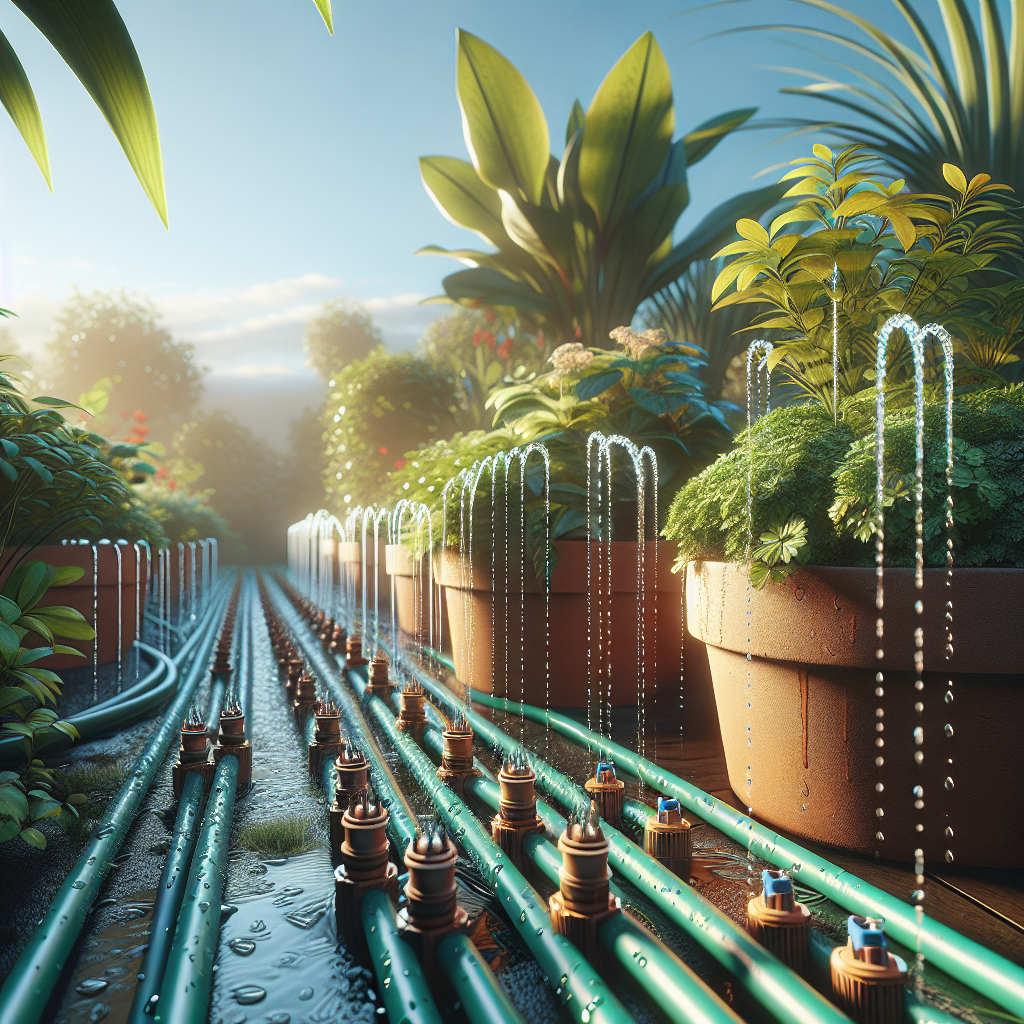
Container gardening has gained massive popularity across the globe, thanks to the flexibility and creativity it offers gardeners of all levels. However, one of the biggest challenges container gardeners face is ensuring that their plants receive the right amount of water. Enter drip irrigation—an efficient, effective, and sustainable solution that can transform the way you manage moisture for your precious container plants.
In this comprehensive article, we will explore drip irrigation systems, their benefits, their installation and maintenance, and answer common questions that container gardeners might have. By the end, you’ll be eager to implement this system to optimize your gardening experience and improve the health and productivity of your plants.
What is Drip Irrigation?
Drip irrigation is a method of delivering water directly to the root zone of plants, minimizing evaporation and runoff. Utilizing a network of tubing, emitters, and fittings, drip irrigation systems can precisely control water distribution, making it ideal for container gardening.
Key Components of a Drip Irrigation System:
-
Mainline Tubing: This is the primary water source tubing that carries water from the source to the emitters.
-
Emitters: Small devices that regulate the flow of water to individual plants. Emitters come in various flow rates, ranging from 0.5 to 4 gallons per hour (GPH).
-
Drip Tape: A type of tubing that has built-in emitters spaced evenly along its length, used mainly for rows of plants.
-
Connectors and Fittings: These are necessary for connecting different components of the system, including stakes to hold tubing in place.
-
Filters: To prevent clogging, filters are essential, especially if using water from sources that may contain sediments or particulates.
-
Pressure Regulators: Maintain consistent water pressure to prevent damage to emitters and ensure uniform water distribution.
Why Choose Drip Irrigation for Container Plants?
Drip irrigation is particularly advantageous for container gardening for several reasons:
1. Water Efficiency: Traditional watering methods often lead to water wastage due to evaporation and runoff. Drip irrigation provides a targeted approach, reducing water loss and allowing precise applications.
2. Tailored Watering: Different plants in containers have unique water needs. A drip system allows gardeners to customize the amount of water each plant receives.
3. Reduced Weed Growth: Since water is delivered directly to the plants, the area around them stays drier, discouraging weed growth.
4. Decreased Stress on Plants: Consistent moisture levels contribute to healthier plant growth, reducing instances of stress due to over or under-watering.
5. Time-Saving: Once installed, a drip irrigation system requires minimal maintenance. Gardeners can spend less time watering and more time enjoying their plants.
6. Ideal for Urban Gardens: For urban dwellers with limited space, container gardening is an excellent option. Drip irrigation is an effective way to make urban gardening feasible, making it easier to maintain green spaces.
Common Questions about Drip Irrigation for Container Plants
1. How do I choose the right drip irrigation system for my container plants?
Choosing the right drip irrigation system depends on various factors, including the types of plants, container sizes, and your watering requirements. Here are some considerations:
-
Plants: Assess the water requirements of each plant and select emitters accordingly. If you have a mix of plants, choose adjustable or pressure-compensating emitters to cater to different needs.
-
Container Size: The size of your containers will affect the flow rate needed. Larger containers require more water, so plan for additional emitters if necessary.
-
Water Source: Consider whether your water source has adequate pressure. If not, a pressure regulator may be required to ensure even water delivery.
2. Can I install a drip irrigation system myself?
Absolutely! Many gardeners opt for DIY installations due to the simplicity of today’s drip irrigation kits. Most kits come with easy-to-follow instructions. Here’s a step-by-step guide to get you started:
-
Select a Location: Identify where your system will draw water from—this could be a garden hose, faucet, or rainwater collection system.
-
Plan Your Layout: Sketch a layout of your container arrangement and determine how long your mainline tubing needs to be.
-
Cut and Connect Tubing: Cut the mainline tubing to the required lengths and attach connectors as necessary.
-
Install Emitters: Depending on your plant’s needs, place emitters in the soil of each container. Use stakes to hold them in place.
-
Flush the System: Before making final connections, flush the system to remove any debris.
-
Test It Out: Turn on the water and check for leaks or clogs, adjusting as necessary.
3. What maintenance does a drip irrigation system require?
While drip irrigation systems are relatively low maintenance, some care is still required to keep them running smoothly:
-
Regular Inspections: Check for clogged emitters or leaks in the tubing. Inspect the filter every season and clean or replace it as needed.
-
Seasonal Adjustments: Many plants require more or less water depending on the season. Monitor soil moisture levels and adjust the flow rate accordingly.
-
Winter Care: In colder climates, disconnect and store your drip system to prevent damage from freezing temperatures.
4. Is drip irrigation expensive to install?
The cost of installing a drip irrigation system can vary based on the size and complexity of the setup. However, budget-friendly kits are available at garden centers, and investments can lead to significant water savings over time, making it a financially sound choice.
5. How do I know if my container plants are getting enough water?
Monitoring soil moisture is key to ensuring your container plants are adequately watered. Use a moisture meter for a precise reading, or feel the top inch of soil. If it feels dry, it’s time to give your plants some water.
6. Can drip irrigation work for all types of container plants?
While drip irrigation is versatile and works well for a variety of container plants—everything from herbs to flowering plants—it’s essential to consider their unique watering needs. Some plants prefer drier conditions, while others thrive in consistently moist soil. Research individual plant requirements to tailor your system appropriately.
7. Can I combine drip irrigation with other watering methods?
Yes! Drip irrigation systems can be combined with other watering methods, such as hand watering or soaker hoses, for added flexibility. This is especially useful for plants with different water needs or during various growth stages.
Designing Your Drip Irrigation System
Step 1: Understanding Your Container Garden Layout
Before you start with the installation, take the time to plan out your container garden. This includes:
-
Choosing Container Sizes: Whether you’re using small pots for herbs or larger ones for vegetables, remember that larger containers will retain moisture longer than smaller ones.
-
Plant Grouping: Group plants with similar watering needs together. For example, succulent plants require less water than tropical plants.
Step 2: Calculating Water Requirements
Next, calculate the water requirements for each plant species in your setup. Factors to consider include:
-
Container Size and Soil Type: Larger containers hold more moisture, whereas some soil types (like sandy soil) drain faster than others.
-
Plant Growth Stage: Young seedlings often require different amounts of water than fully grown plants.
Step 3: Selecting the Right Components
Based on your calculations and layout:
-
Choose the right emitters for each plant. For example, use lower flow rates for smaller plants and higher flow rates for larger containers.
-
Consider purchasing a kit that includes everything you need or mix and match components based on your specific requirements.
Step 4: Installation Techniques
Once you’ve gathered all the necessary components, follow these steps for installation:
- Start with the mainline tubing: Lay it out along the path of your containers.
- Cut and attach emitters: Space them according to plant needs.
- Secure everything with stakes: Use stakes to keep everything in place.
Benefits of Using Drip Irrigation with Container Plants
While we’ve touched on many benefits, let’s dive deeper into how drip irrigation can fundamentally improve your gardening experience.
1. Promotes Healthy Growth and Higher Yields
By delivering water directly where it’s needed, plants can absorb nutrients more efficiently. This promotes healthier root systems and can lead to an increase in fruit and flower production. For vegetable and fruit-bearing plants, this translates to not only healthier plants but also bountiful harvests.
2. Enhances Soil Health
The gentle, consistent watering provided by drip irrigation avoids soil erosion and compaction, allowing beneficial microorganisms to thrive. This significantly contributes to healthier soil over time, enhancing your gardening success.
3. Reduces Pest Issues
Wet foliage can lead to fungal diseases and attract pests. Drip irrigation targets the roots while providing a drier atmosphere, reducing the likelihood of pests and diseases.
4. Convenience and Flexibility
Automation options are available, allowing for timers to be added to your system. Use them to set watering schedules, freeing your time for other gardening tasks or leisure activities.
5. Eco-Friendly
In a world where water conservation is increasingly crucial, drip irrigation stands out as an eco-friendly option. By conserving water, you’re making a significant positive impact on your environment.
Conclusion
In conclusion, drip irrigation for container plants is a transformative approach that combines efficiency, convenience, and sustainability. It allows gardeners of all skill levels to optimize their plant care, contributing to healthier growth and enhanced yields.
Whether you are looking to spend less time watering, reduce water usage, or cultivate a thriving container garden, a drip irrigation system can be the perfect solution. With proper planning and understanding of your plants’ needs, you can master this skill and enjoy the numerous benefits that come along with it.
So why not start today? Equip your garden with a drip irrigation system and watch as your container plants flourish like never before. Happy gardening!