
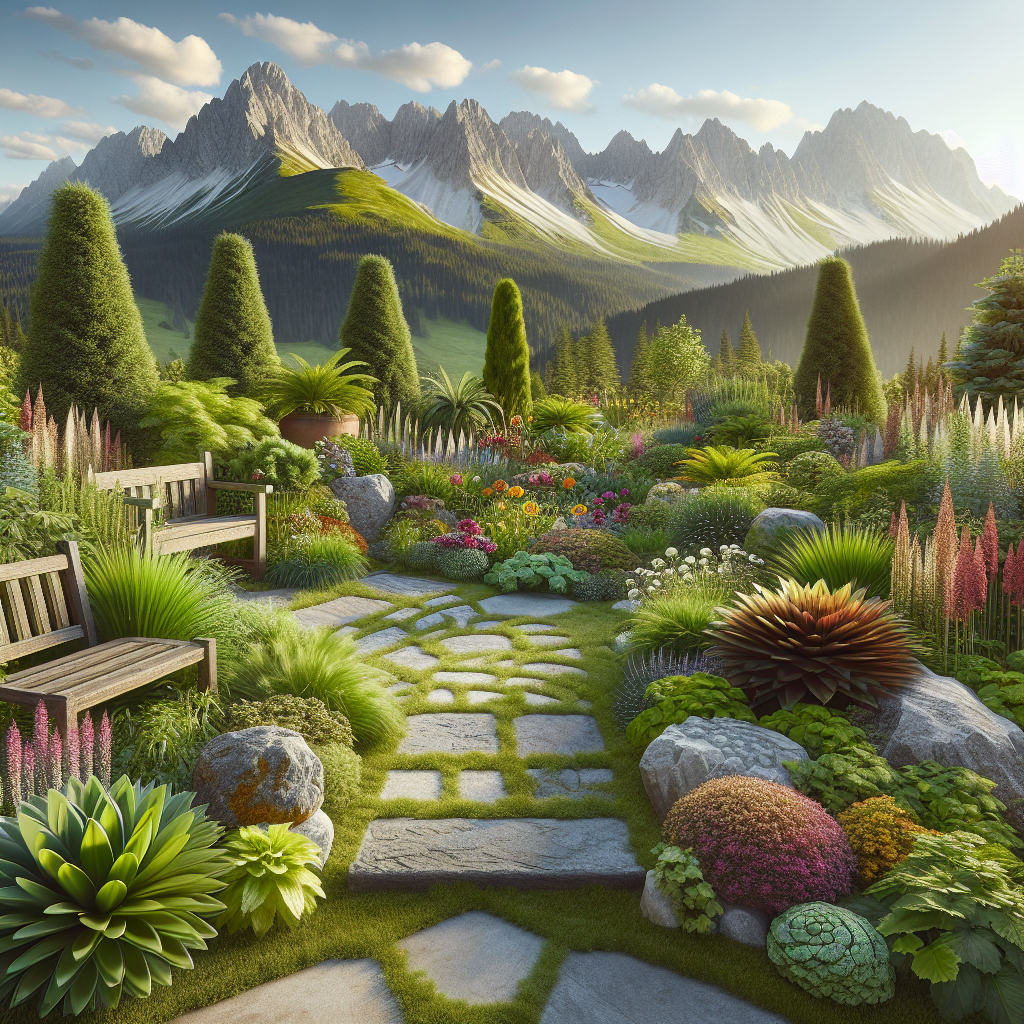
Garden design is an intricate tapestry of philosophies, techniques, and natural elements, and one of the most captivating themes within this domain is the alpine garden. Alpine plants, often the colorful jewels of rocky landscapes, can transform any garden into a serene representation of nature. Whether you have a spacious backyard or a compact balcony, embracing alpine plants can create a breathtaking and low-maintenance landscape. This article will delve into the philosophy, practicalities, and aesthetics of alpine plant garden design, while addressing common questions aspiring gardeners may have.
Understanding Alpine Plants: What Are They and Where Do They Thrive?
What are Alpine Plants?
Alpine plants are species that have adapted to live in the harsh conditions of mountainous regions. Typically found at altitudes above 10,000 feet, these plants thrive in rocky, poor soil, often enduring extreme temperature fluctuations and high winds. Their adaptations include small, compact growth forms, fleshy leaves for water storage, and vibrant blooms, which can occur in diverse colors, shapes, and textures.
Unique Characteristics of Alpine Plants
- Drought Tolerance: Many alpine plants are excellent drought survivors due to their ability to store water and thrive in well-drained soils.
- Compact Growth: These plants often have a reduced stature, making them perfect for smaller spaces while still offering significant visual appeal.
- Short Growing Seasons: Many alpine species capitalize on brief summer periods, displaying blooms that can last only a few weeks, making timely planning essential.
- Color Varieties: Unlike the common perceptions of alpine regions as bleak, alpine plants display an explosion of color, particularly during blooming seasons, showcasing blues, purples, yellows, and reds.
In Which Zones Do Alpine Plants Thrive Best?
Alpine plants generally flourish in USDA hardiness zones 3 to 7, but it’s essential to choose varieties suited for your specific zone. Popular alpine plants include:
- Edelweiss (Leontopodium alpinum)
- Snowdrop (Galanthus)
- Mountain Avens (Dryas)
- Saxifrage (Saxifraga)
- Gentian (Gentiana)
Where in the World Can Alpine Plants Be Found?
Alpine plants are predominantly native to mountainous regions across the globe, including the Himalayas, the Rockies, the Andes, the Alps, and even some areas in Africa. For gardeners, this presents not only an opportunity to grow exquisite plants but also to cultivate a diverse plant family that reflects global biodiversity.
Designing Your Alpine Garden: Step by Step
Designing an alpine garden isn’t merely about planting; it’s a thoughtful process that integrates various elements such as layout, soil types, and microclimates that define your garden. Below is a step-by-step guide to set you on the path to creating your alpine paradise.
Step 1: Selecting the Site
What Environment is Ideal for an Alpine Garden?
Alpine gardens do best in well-draining sites with plenty of sunlight. Choose a location that receives at least six hours of direct sunlight daily. If possible, select a slightly sloped area that mimics natural mountain terrain, which facilitates drainage and provides an opportunity for rock outcrops.
Step 2: Soil Preparation
How to Create the Right Soil Mixture?
Alpine plants thrive in poor, well-draining soil. A mixture of sand, gravel, and mountain topsoil works well to provide the right texture and nutrients. Here’s a simple recipe you can use:
- 50% gravel (for drainage)
- 30% sand (to aerate)
- 20% organic matter (like compost, to provide essential nutrients)
Mix these components thoroughly and amend them based on your site’s natural drainage capabilities.
Step 3: Choosing the Right Alpine Plants
Which Plants Should I Include?
The selection of plants plays a fundamental role in the design of your alpine garden. Consider incorporating various species to ensure blooms at different times of the year, thus maintaining visual interest throughout the seasons. Some excellent choices include:
- Low-Growing Perennials: Such as creeping phlox (Phlox subulata) or alpine sky pilot (Polemonium viscosum) that enrich the ground cover.
- Rocky Outcrop Species: Think alpine poppy (Papaver nudicaule) or cushion plant (Raoulia), which thrive in rock crevices.
- Colorful Annuals: These can act as seasonal stars of the garden, showcasing their beauty while complementing the perennials.
Step 4: Creating a Layout
How to Formulate a Visually Appealing Design?
When designing, pay attention to the verticality of your plants. Tall species should be placed toward the back or center, with medium to low-growing plants gradually transitioning in height. Group similar plants to create mass color effects, and include rocks and stones to add texture and simulate natural landscapes.
Terracing is another effective strategy, especially for sloped areas. It can create microhabitats for different alpine plant species, optimizing sunlight and moisture levels.
Step 5: Adding Hardscaping Elements
What Features Should I Consider?
Integrating stones, gravel paths, and even small water features can enhance the aesthetic appeal of your alpine garden. Consider the following hardscaping elements:
- Rocks and Boulders: Use them to create rock gardens that mimic natural alpine ecosystems.
- Paths: Create meandering gravel paths that invite exploration and add structure to your design.
- Retaining Walls: For steep areas, considering small retaining walls can help with water retention and plant support.
Step 6: Ensuring Proper Drainage
How Important is Drainage for Alpine Plants?
Given that alpine plants thrive in well-drained environments, ensuring adequate drainage is paramount. Add drainage tiles or permeable products to further secure effective water management. Conducting periodic checks can help identify and rectify any potential drainage problems.
Maintenance: Caring for Your Alpine Garden
What Kind of Care Do Alpine Plants Require?
- Watering: Despite their drought-tolerance, young alpine plants need adequate watering to establish their roots.
- Mulching: Use inorganic mulch such as gravel to suppress weeds while maintaining excellent drainage.
- Pruning: Remove spent flowers and dead leaves to encourage new growth.
Seasonal Maintenance
Different seasons bring unique challenges and opportunities. For instance:
- Spring: Monitor for new growth and slowly introduce water as the weather warms.
- Summer: Fertilize if necessary, paying attention to specific nutrient requirements for your chosen species.
- Fall: Cut back on watering and prepare your plants for winter dormancy.
- Winter: Selectively prune dead materials but avoid heavy cutting during dormancy.
Common Questions about Alpine Garden Design
1. Can I create an alpine garden in a small space?
Absolutely! Alpine gardens are perfect for small spaces, such as balconies or tiny yards. Container gardening with alpine plants can yield an attractive display without needing extensive ground space.
2. Are alpine plants suitable for all climates?
While many alpine plants prefer cooler temperatures and thrive best in zones 3 to 7, some can adapt to warmer climates. Always check your local availability and microclimate when selecting plants.
3. How do I propagate alpine plants?
Alpine plants can be propagated through seeds and cuttings. Some species may also be divided in early spring. It’s crucial to understand the specific propagation needs of your chosen varieties.
4. What pests should I be aware of?
Alpine plants are generally resilient and less vulnerable to pests than other plants. However, keep an eye out for aphids, slugs, and snails. Introducing beneficial insects like ladybugs can also help keep pests in check.
5. How do I create a pollinator-friendly alpine garden?
To attract pollinators, select a diverse variety of flowering plants that bloom at different times. Incorporating native species and providing habitats such as bee hotels can enhance your garden’s attraction to beneficial insects.
Conclusion: The Joy of Alpine Gardening
Alpine garden design combines various elements—nature, creativity, and practicality—to create refined yet visually stunning outdoor spaces. By selecting the right plants, carefully planning the layout, and maintaining your garden diligently, you can enjoy a slice of mountain beauty right at home.
The journey of caring for an alpine garden is filled with learning, observing, and appreciating the subtle changes that occur with the seasons. Not only will your efforts yield a vibrant tapestry of colors, but they will also foster a deep connection to nature and its resilient beauty. Start small, dream big, and let the enchanting world of alpine plants inspire you!