
Introduction
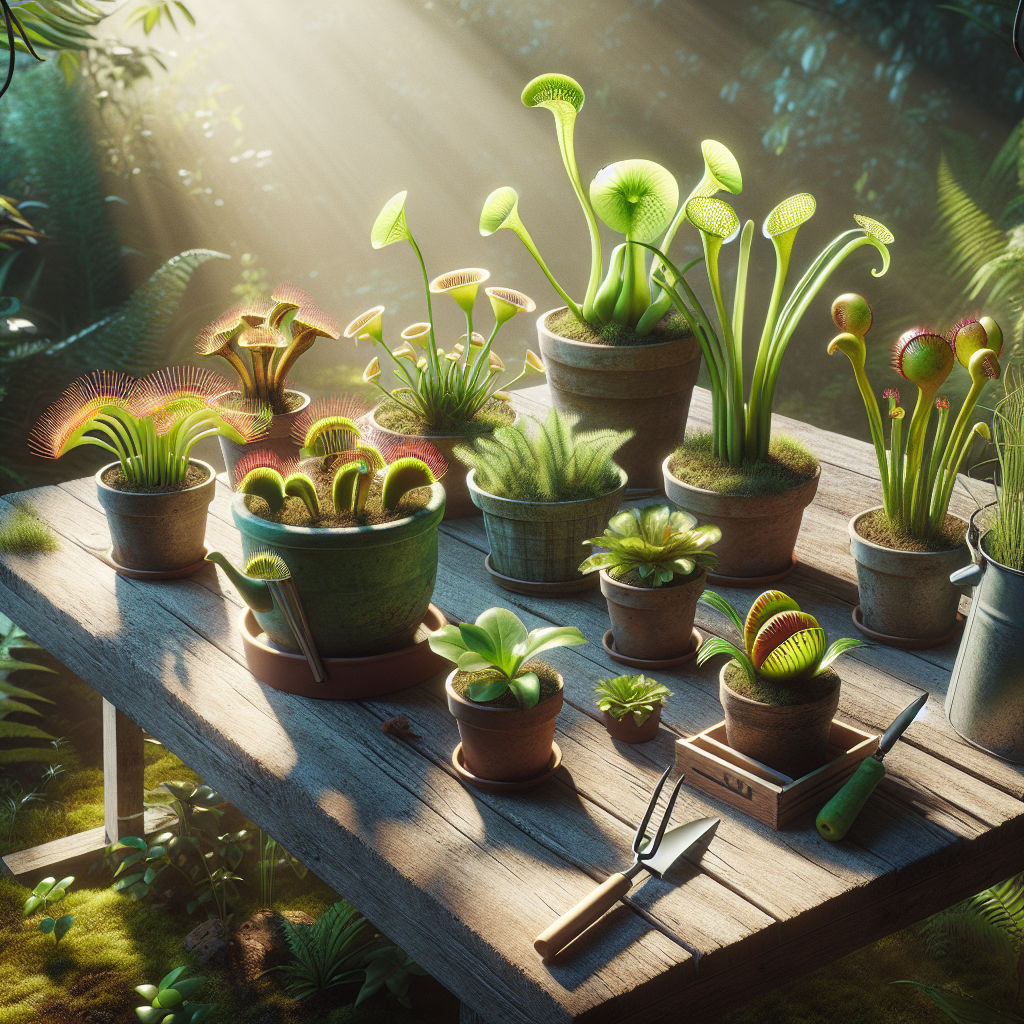
Unraveling the mysteries of nature can often lead us down fascinating paths, and few things are as intriguing as carnivorous plants. With their unique adaptations and captivating appearances, these botanical marvels are not just functional—but also playful and exotic additions to any garden. Whether you’re a seasoned gardener or a budding enthusiast, this article will serve as a comprehensive guide to starting your own carnivorous plant garden.
What Are Carnivorous Plants?
Carnivorous plants are unique organisms that have evolved to capture and digest insects and, in some cases, small animals to supplement their nutrient intake. They thrive in nutrient-poor environments where traditional nutrients like nitrogen are scarce, making their adaptation quite fascinating.
Some well-known types include:
- Venus Flytrap (Dionaea muscipula): A classic choice, this plant captures prey using modified leaves that snap shut.
- Pitcher Plants (Sarracenia, Nepenthes): Characterized by tube-like structures that trap insects in a pool of digestive fluid.
- Sundews (Drosera): Equipped with sticky, glandular trichomes that ensnare and digest insects.
- Butterworts (Pinguicula): These plants use a mucilage coating on their leaves to trap insects.
Why Choose to Grow Carnivorous Plants?
- Educational Value: Cultivating a carnivorous plant garden offers hands-on experience with unique adaptations in nature.
- Aesthetic Appeal: With their unusual shapes and vibrant colors, carnivorous plants can add drama and excitement to any garden.
- Low Maintenance: Once established, many carnivorous plants require minimal care compared to traditional gardening.
- Ecological Benefits: These plants contribute to local ecosystems by attracting and capturing insects, potentially controlling pest populations.
Step-by-Step Guide to Starting Your Carnivorous Plant Garden
Step 1: Research and Choose Your Carnivorous Plants
Before you dive into planting, spend some time researching which types of carnivorous plants intrigue you most. Below are a few popular choices with their requirements:
- Venus Flytrap: Prefers bright sunlight and needs a moist environment. Hardy in USDA zones 8-10.
- Sarracenia (North American Pitcher Plants): Thrive in full sun with acidic soil; tolerates cold winters.
- Nepenthes (Tropical Pitcher Plants): Requires high humidity and is best grown indoors or in a greenhouse.
- Drosera (Sundews): Easy to grow, needing only moderate-indirect sunlight and moist soil.
Step 2: Selecting the Right Location
Carnivorous plants thrive in specific conditions. Here are some factors to consider:
-
Light: Most carnivorous plants prefer direct sunlight for at least 6 hours a day. If you’re growing them indoors, consider a south-facing window or supplement with grow lights.
-
Humidity: High humidity levels are essential for many species, particularly tropical varieties. If you live in a drier area, consider using a humidity dome or growing them within a terrarium.
-
Airflow: Good airflow prevents mold and pests. Ensure your plants are not overcrowded and have enough space between them.
Step 3: Choosing and Preparing the Soil
Carnivorous plants require a specific soil mix to thrive:
- Fast-Draining: These plants need soil that doesn’t retain too much water. A mixture of sphagnum moss, peat, and perlite or sand works well.
- pH Levels: Carnivorous plants typically prefer acidic soil (pH 4-6). Avoid using regular garden soil as it contains excessive nutrients that can harm these plants.
Soil Recipe Example:
- 50% sphagnum moss or peat
- 30% perlite
- 20% sand (preferably silica sand)
Step 4: Choosing the Right Pot
When it comes to pots, consider the following:
-
Material: Plastic pots retain moisture better than clay pots. Consider using pots with drainage holes to prevent root rot.
-
Size: Choose pots that are deep enough to accommodate the root systems. Generally, 4 to 6 inches in depth works well.
-
Terrariums: For a beautiful display, consider using terrariums, especially for species that need high humidity.
Step 5: Watering
Watering is crucial, as carnivorous plants are quite sensitive to water quality:
-
Types of Water: Use distilled water, rainwater, or reverse osmosis water. Tap water often contains minerals and chemicals that can harm your plants.
-
Moisture Levels: Keep the soil moist but not soggy. A good rule of thumb is to use the “drown and dry” method: allow the pot to stand in water but ensure it doesn’t flood.
Step 6: Fertilizing
While carnivorous plants derive nutrients from insects, they may occasionally need supplemental feeding:
-
Type of Fertilizer: Choose organic fertilizers with low concentrations. A common method is to mix a small amount of diluted orchid fertilizer into the watering solution once a month during the growing season.
-
Feeding Schedule: Try to mimic the plant’s natural feeding processes. If indoors, consider feeding them with small insects, or use specialized fertilizers.
-
Over-fertilization: Be cautious—too much fertilization can damage carnivorous plants, especially when they are young.
Step 7: Pest Management
Though carnivorous plants catch their own pests, they may occasionally face infestations. Here’s how to manage them:
-
Regular Inspection: Frequently check for pests like aphids, mealybugs, or spider mites.
-
Natural Remedies: Use neem oil or insecticidal soap as treatment. Avoid chemical pesticides, as they may damage your plants.
-
Encouraging Beneficial Insects: Some insect species, like ladybugs, can help control pest populations naturally.
Frequently Asked Questions (FAQ)
How Long Does It Take to Grow Carnivorous Plants?
The growth rate varies based on species, environmental conditions, and care. Generally, seedlings may take 1 to 3 years to reach maturity.
Can I Grow Carnivorous Plants Indoors?
Absolutely! Many varieties, such as Drosera and Nepenthes, thrive indoors if provided with adequate light and humidity.
How Often Should I Feed My Carnivorous Plants?
Feeding frequency depends on the species. As a general guideline, feed once a month during the growing season and less in dormancy periods.
Do Carnivorous Plants Need to Go Dormant?
Yes, certain species, like the Venus Flytrap and Sarracenia, require a dormant period during the winter months. Reduce watering and provide cooler temperatures to mimic their natural habitat.
Can I Keep Carnivorous Plants Together in One Pot?
It’s best to keep different species separate until you understand their environmental needs. Some may thrive in high humidity while others do not.
Are Carnivorous Plants Poisonous?
Most carnivorous plants are non-toxic to humans and pets. However, it’s always advisable to keep an eye on curious pets, as some may ingest plant parts or dirt.
Can I Harvest Seeds from My Carnivorous Plants?
Yes! Once flowers have successfully pollinated and produced seed pods, harvest them, dry them, and store them in a cool place. Seeds can take several weeks to germinate.
Conclusion
Creating a carnivorous plant garden is a rewarding journey that connects you to the wonders of nature and unique ecosystems. From selecting plants and creating the ideal growing environment to understanding their feeding needs, there’s much to learn—and even more to enjoy.
Whether you choose to grow a single plant or establish an entire garden, the satisfaction of witnessing these botanical wonders flourish will provide you with joy and curiosity for years to come. So grab your gardening tools, do your research, and embark on the thrilling adventure of nurturing your own carnivorous plant garden. Happy gardening!