
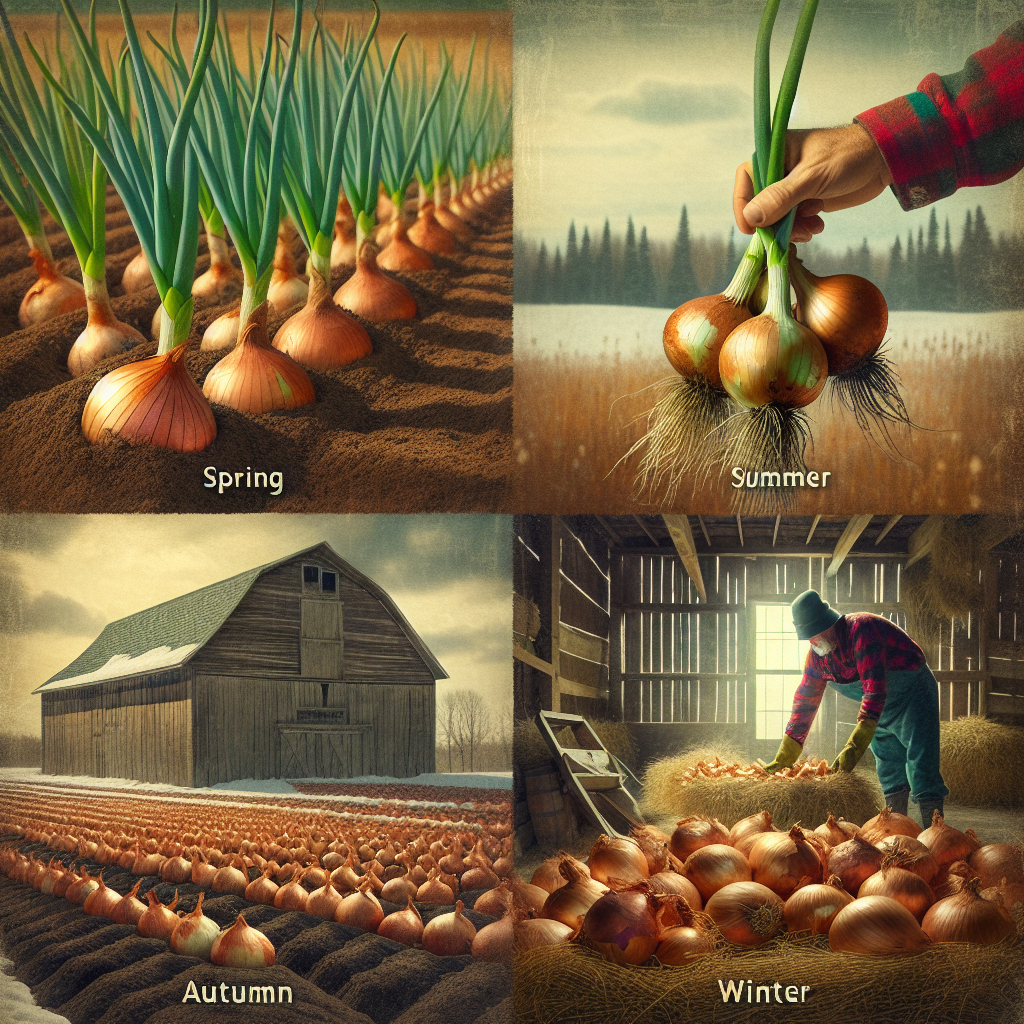
Onions are a staple in many kitchens around the world and boast a robust growth cycle that can yield a bountiful harvest when cultivated properly. For gardeners and farmers in Michigan, growing onions presents a unique opportunity due to the state’s varied climate and fertile soil. This article dives deep into the intricacies of growing onions in Michigan, offering insights, tips, and answers to common questions.
Why Grow Onions in Michigan?
Michigan’s soil and climate provide excellent conditions for onion cultivation. The state boasts fertile, loamy soil enriched by the Great Lakes, which helps moderate temperature extremes and ensures moderate rainfall—ideal factors for growing onions. Many growers appreciate onions not just for their culinary value, but also for their storability; properly cured onions can last for months, making them a valuable cash crop.
The Onion Varieties Best Suited for Michigan
Short-Day vs. Long-Day Onions
Onions can be categorized into two primary types based on the amount of daylight they require to form bulbs:
- Short-Day Onions: These varieties begin bulb formation after about 10-12 hours of daylight. They are typically grown in southern regions and are not well-suited for Michigan.
- Long-Day Onions: These onions need 14-16 hours of daylight to bulb properly, making them ideal for Michigan. Common varieties include Yellow Sweet Spanish, Copra, and Red Wing.
Other Notable Varieties
Aside from the well-known Yukons and Red Wethersfield, you may also explore:
- Vidalia Onions: Sweet and mild, these onions thrive in well-drained soil.
- Green Onions or Scallions: Quick to grow and perfect for salads or garnishes, these can be harvested early without waiting for bulb development.
Preparing Your Soil
Soil Requirements
Onions prefer well-drained, fertile soil rich in organic matter. Soil pH should ideally be between 6.0 and 7.0.
Soil Preparation Steps
- Testing Soil: Conduct a soil test to determine nutrient levels and pH. Local extension offices often offer testing services.
- Amending Soil: Based on the test results, you may need to amend your soil with compost, well-rotted manure, or specific fertilizers to enhance nutrient levels.
- Tilling: Loosen the soil to a depth of 12-15 inches to encourage root growth.
- Mulching: Spread organic material on top to help maintain moisture levels and add nutrients as it breaks down.
When to Plant
Timing Your Planting
In Michigan, the optimal planting time for long-day onions is in early spring, typically from mid-April to early May, depending on your specific region. You can either:
- Start from Seeds: Start seeds indoors 6-8 weeks before the last frost date, or sow seeds directly once the soil has warmed.
- Use Sets or Transplants: Sets are small, immature bulbs, while transplants are young seedlings. Both can be planted after the last frost.
Planting Techniques
Spacing and Depth
- Spacing: Onions should be spaced about 4-6 inches apart in rows 12-18 inches apart. This spacing allows them room to grow while ensuring adequate air circulation.
- Depth: Plant seeds or sets approximately 1-2 inches deep. Ensure the top of the bulb is visible, as this helps prevent rot.
Watering
Onions require consistent moisture, especially during the early growth stages. Here’s how to manage watering effectively:
- Establishing a Routine: Onions benefit from about 1 inch of water per week. It’s essential to keep the soil evenly moist but not waterlogged.
- Drip Irrigation: This method can be effective in reducing weed growth and ensuring consistent moisture to the bulb.
Caring for Your Onion Plants
Weeding
Keeping your onion bed weed-free is crucial, as onions are not strong competitors against weeds.
- Hand Weeding: Pull weeds carefully to avoid disturbing the onion roots.
- Mulching: Use a thick layer of straw or grass clippings around your onions to suppress weed growth.
Fertilizing
- Initial Fertilization: When planting, incorporate a balanced fertilizer to provide immediate nutrients.
- Side-Dressing: Apply nitrogen-rich fertilizer (like blood meal or fish emulsion) when the shoots are about 6 inches tall, and again when they reach 12 inches.
Pest and Disease Management
Onions are prone to certain pests and diseases.
- Common Pests: Onion flies and thrips can be problematic. Consider using row covers or insecticidal soaps if populations get too high.
- Diseases: Avoid diseases like onion downy mildew by ensuring good air circulation and practicing crop rotation.
Harvesting Onions
Signs of Readiness
Typically, onions are ready to harvest when their tops begin to yellow and flop over.
- Timing: Depending on the variety and planting time, onions usually take 100-175 days to mature.
- Testing: Check the size and firmness of the bulbs; they should feel solid and not squishy.
Harvesting Process
- Lifting Bulbs: Gently lift onions with a garden fork or shovel, being careful not to bruise the bulbs.
- Curing: Lay them in a single layer in a shady, dry place for 2-3 weeks. This step is crucial for long storage.
Storing Onions
Proper storage aligns closely with your curing process.
- Ideal Conditions: Store cured onions in a cool, dark, and ventilated area. Ideal temperatures range from 30-50°F, with a humidity level below 70%.
- Long-Term Storage: Braiding green tops can serve as a natural preservation method while also enhancing aesthetic appeal.
Frequently Asked Questions
What variety of onions should I start with as a beginner?
If you’re just starting, consider sticking to easier-to-grow varieties such as Yellow Sweet Spanish or Copra. They are relatively forgiving and yield good results.
Can I grow onions in pots?
Yes, onions can be grown in containers, as long as the pot is deep enough (at least 12 inches) and provides good drainage. Ensure to maintain adequate moisture levels.
Why are my onions not bulbing?
This can be caused by several factors, including poor soil conditions, not enough hours of daylight, or excessive nitrogen before bulbing starts. Verify each of these conditions for better results.
What diseases should I watch for?
Onion growers should be vigilant about diseases like downy mildew and white rot. Always rotate crops and follow best hygiene practices by cleaning tools and removing diseased plants immediately.
When should I start my seeds indoors?
Start your seeds indoors about 6-8 weeks before the last expected frost date in your region. Typically for most areas in Michigan, this means mid to late March.
Can I replant onion sets from last year’s harvest?
You can replant onion sets, but they may not yield as well as new sets or seeds. Older bulbs may quickly go to seed instead of forming new bulbs.
How long do onions last in storage?
Properly cured and stored onions can last several months—often up to six months—depending on conditions. Regularly check for mold or sprouting.
Conclusion: Cultivating Onions for Success
Growing onions in Michigan can be a rewarding experience for both seasoned gardeners and beginners. The process—from soil preparation to careful harvesting—allows for a deep connection with the land. Whether you seek to grow onions for personal consumption or commercial purposes, using the right techniques increases your chances of a successful harvest. Enjoy this journey into the world of gardening and relish the satisfaction of providing fresh, flavorful onions for your table. With thoughtful planning and care, your onion patches will not only thrive but will become a cherished part of your gardening endeavors year after year.
By embracing these practices and guidelines, you can successfully contribute to Michigan’s diverse agricultural heritage and enjoy the many culinary benefits that freshly grown onions have to offer. Happy gardening!