
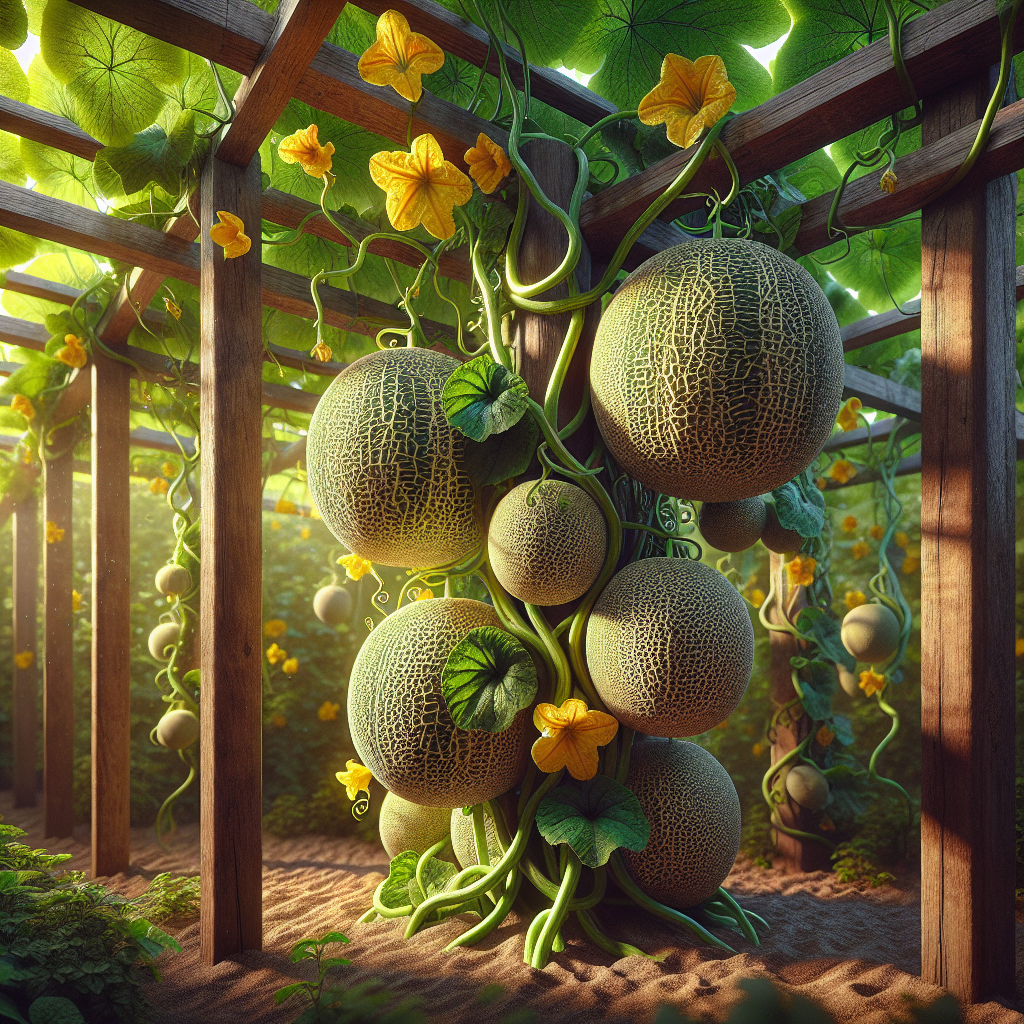
Cantaloupe (Cucumis melo), a juicy and refreshing fruit, is a summer favorite that boasts a sweet aroma, vibrant orange flesh, and numerous health benefits. While usually known for sprawling on the ground, growing cantaloupe on a trellis is steadily gaining popularity among home gardeners and agricultural enthusiasts. This method not only saves space but also enhances air circulation, improves fruit quality, and simplifies harvesting. In this extensive guide, we’ll delve into the intricacies of cultivating cantaloupe on a trellis, answering common questions, and providing you with everything you need to grow this delectable melon like a pro.
Why Grow Cantaloupe on a Trellis?
Advantages of Trellising
-
Space Efficiency: One of the most significant advantages of trellising cantaloupe is maximizing limited garden space. By growing vertically, you can cultivate more plants per square foot, making it ideal for urban gardeners or those with restricted yardage.
-
Improved Air Circulation: Raising cantaloupe off the ground promotes air circulation, which can help reduce the risk of fungal diseases that thrive in damp, crowded conditions. This is particularly beneficial in humid climates where moisture retention is a concern.
-
Better Fruit Quality: Trellised cantaloupe tends to receive better sunlight exposure, which improves the sweetness and color of the fruit. Elevated fruits are also less prone to pests and rot, often resulting in a cleaner harvest.
-
Easier Harvesting: Accessing fruit that is grown on a trellis is simpler, especially for larger pieces. This can be particularly advantageous for gardeners with mobility issues.
-
Enhanced Visibility: A trellis can add vertical interest to your garden, making it aesthetically pleasing. It can also serve as a support for other vining plants, creating a more vibrant and diverse garden.
Understanding Cantaloupe Growth Habits
Cantaloupe is a warm-season crop that thrives in full sun. It is a vigorous vine that requires substantial space when grown traditionally on the ground. Understanding its growth habits helps in better planning for trellising. Here’s what you need to know:
- Vining Nature: Cantaloupe grows as a vine that can reach substantial lengths. The plants send out tendrils to cling onto nearby supports, making them ideal candidates for a trellis.
- Fruit Development: Cantaloupes take approximately 70-90 days from sowing to harvest. They produce large, globe-shaped fruits that require substantial support as they mature.
Preparing for Trellis Cantaloupe Cultivation
Selecting the Right Trellis
When it comes to trellising cantaloupe, choosing the right structure is key. Here are some popular trellis options:
-
A-Frame Trellis: This simple and stable design allows melons to be supported on both sides. It’s easy to build with wooden planks or metal pipes.
-
Vertical Grid Trellis: This design resembles a net that provides multiple points of support, allowing cantaloupe to climb in various directions. It is particularly effective in larger gardens.
-
Arched Trellis: An arch-shaped structure can create a beautiful pathway while providing a solid framework for supporting fruits. This option offers aesthetic appeal as well as functionality.
-
Cattle Panels: These metal panels are durable and convenient. You can cut them to size and bend them into the desired shape, providing a sturdy support for heavy fruits.
Preparing the Soil
Cantaloupe thrives in well-drained, sandy loam soil enriched with organic matter. Follow these steps to prepare your soil:
-
Soil Testing: Test your soil pH to ensure it falls between 6.0 and 6.8, which is ideal for cantaloupe growth.
-
Amendments: Incorporate compost or well-rotted manure into the garden soil to enrich it with nutrients. Adding organic fertilizers can significantly enhance growth.
-
Tilling: Loosen the soil through tilling to help root development and improve drainage.
Planting Cantaloupe
When to Plant
Cantaloupe is sensitive to frost and prefers warm temperatures. Plant seeds outdoors after the last frost date when soil temperatures are consistently above 70°F (21°C). In cooler regions, consider starting seeds indoors 3-4 weeks prior to the last frost.
How to Plant
-
Seedling Preparation: If starting indoors, transplant seedlings into biodegradable pots to minimize root disturbance.
-
Soil Preparation: Create mounds (hills) about 3 feet apart to enhance drainage and warmth.
-
Spacing: When planting directly in the garden, space seeds in mounds 12-18 inches apart, as cantaloupe plants require ample room to spread.
-
Watering: Water gently to avoid displacing the seeds.
Care and Maintenance
Watering
Cantaloupe requires consistent moisture, especially during flowering and fruiting. Follow these tips:
- Drip Irrigation: Consider a drip irrigation system to provide consistent moisture without waterlogging the roots.
- Mulching: Apply straw or plastic mulch around the base of the plants to conserve moisture and suppress weeds.
Fertilization
Cantaloupe is a heavy feeder, requiring regular fertilization throughout its growing period:
- Initial Fertilization: Use a balanced fertilizer at planting time.
- Side-Dressing: Add a nitrogen-rich fertilizer when plants begin to vine and again when fruits are forming.
Pruning and Training
As cantaloupe vines grow, training them to follow the trellis is crucial:
-
Initial Training: As the vines begin to climb, gently guide them toward the trellis. Use soft ties or plant clips to secure the vines if necessary.
-
Pruning: Remove excess foliage from the bottom of the plant to improve airflow and redirect energy toward fruit development.
Managing Pests and Diseases
Cantaloupe can be susceptible to various pests and diseases. Here’s how to manage them:
- Common Pests: Watch for aphids, cucumber beetles, and spider mites. Introducing beneficial insects like ladybugs can help control these pests naturally.
- Diseases: Powdery mildew and root rot are common issues. Ensure good airflow, practice crop rotation, and apply fungicides when necessary.
Supporting the Fruit
As the fruits begin to develop and grow, it’s essential to provide them with adequate support:
-
Slings: Create slings using old pantyhose, fabric, or mesh bags to hold developing melons securely. This prevents them from falling or cracking.
-
Spacing: Make sure that the slings are attached in such a way that the fruits remain elevated and don’t rest on the trellis, as this can cause injuries or deformities.
Harvesting Cantaloupe
Knowing when to harvest is critical for ensuring the best flavor:
-
Signs of Ripeness: Look for the following indicators:
- A slight change in color (from green to a golden yellow on the underside).
- The stem will start to dry out and turn brown.
- A sweet aroma will emanate from the fruit.
-
Harvesting Technique: Use pruning shears to cut the stem about an inch from the fruit. Avoid pulling on the fruit to minimize damage.
Post-Harvest Care
After harvesting, proper storage of the cantaloupes is necessary:
- Storage Temperature: Keep cantaloupes at room temperature for several days to improve sweetness.
- Refrigeration: If not consumed immediately, refrigerate cantaloupes for up to one week after they are ripe.
Frequently Asked Questions
Can I grow cantaloupe in containers?
Yes! Cantaloupe can be successfully grown in large containers (at least 5 gallons) if they receive ample sunlight and have a trellis for support. Ensure that the container has good drainage.
What are the best varieties of cantaloupe for trellising?
Some recommended varieties for trellising include:
- Sugar Cube: A small, sweet variety perfect for small spaces.
- Athena: Known for its high-quality fruit and good disease resistance.
- Hale’s Best Jumbo: A classic variety with large, sweet melons.
What soil amendments are beneficial for cantaloupe?
Aside from compost, you can add aged manure, bone meal, or blood meal to provide necessary nutrients. A soil test will help determine specific amendments needed.
How do I prevent pests in my cantaloupe garden?
Regularly monitoring your plants, maintaining clean garden beds, and practicing crop rotation can help minimize pest problems. Consider using row covers during the early stages to protect young plants.
Is cantaloupe a good choice for beginners?
Absolutely! Cantaloupe is relatively easy to grow and forgiving for novice gardeners. With proper care, you can enjoy a rewarding and sweet harvest.
Conclusion
Growing cantaloupe on a trellis can transform your gardening experience, providing you with delightful fruits and maximizing your gardening space. The myriad benefits of trellising—ranging from enhanced fruit quality to easier access—make it a worthwhile endeavor. With careful planning, diligent care, and a keen eye for detail, your trellised cantaloupe plants can thrive, yielding sweet, succulent fruit that will delight your taste buds throughout the summer months.
Whether you are a seasoned gardener or a beginner, cultivating cantaloupe on a trellis can be one of the most rewarding aspects of your gardening journey. So gather your materials, plant those seeds, and watch as your trellis transforms into a vibrant canopy of cantaloupe waiting to be harvested!