
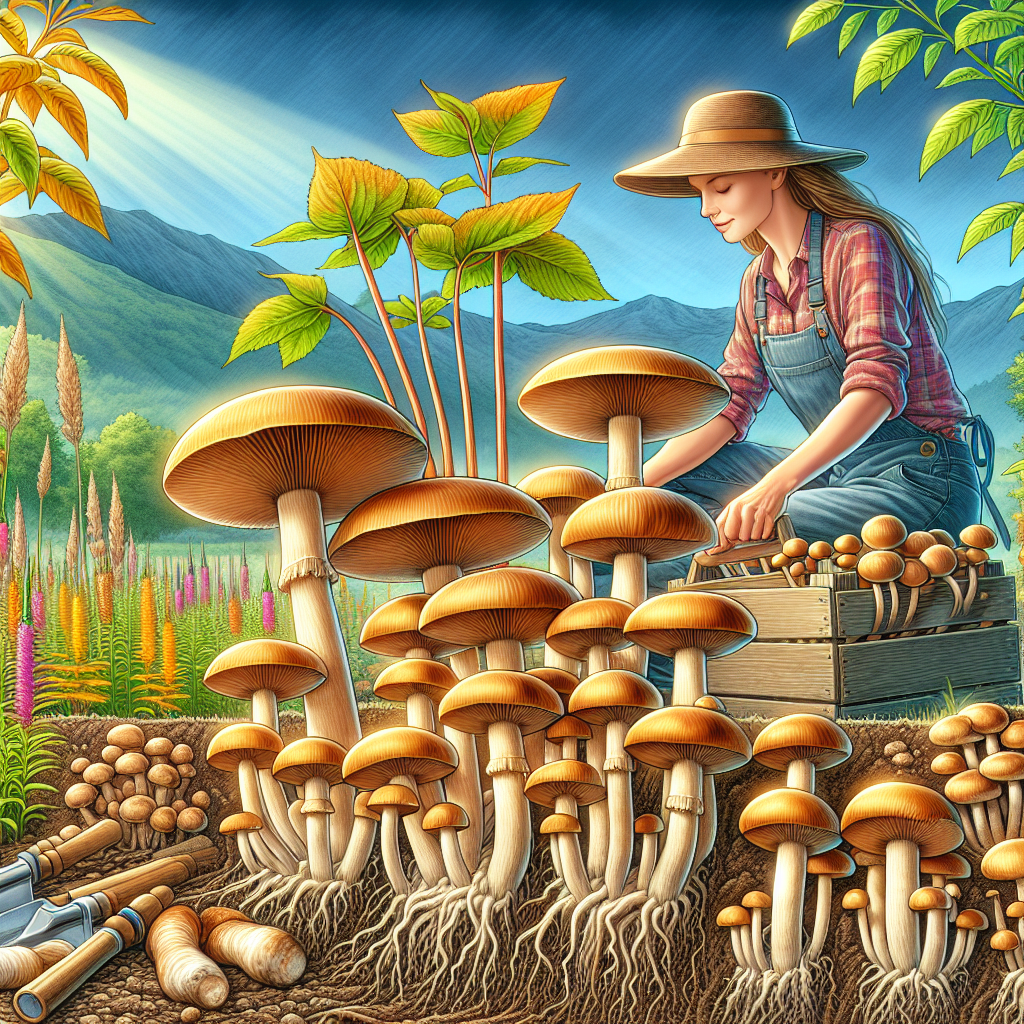
Growing mushrooms in Georgia is an exciting and rewarding venture that is gaining popularity among both seasoned farmers and backyard hobbyists alike. Whether you are motivated by culinary exploration, health benefits, or sustainable cultivation practices, this guide will explore everything you need to know about growing mushrooms in Georgia. From the ideal climate conditions to specific species you can cultivate, we will provide insights and practical advice to help you embark on your mushroom-growing adventure.
Why Grow Mushrooms in Georgia?
Diverse Ecosystem
Georgia’s diverse ecosystems — which range from temperate deciduous forests to coastal plains — provide fertile ground for many types of mushrooms. The state’s humidity, soil quality, and temperate climate are conducive to a variety of fungi growth.
Health Benefits
Mushrooms are a nutritional powerhouse. They are rich in vitamins, minerals, and antioxidants, offering numerous health benefits including improved immune response and reduced risk of chronic diseases.
Culinary Delights
Georgia’s culinary scene is vibrant and evolving. Growing your own mushrooms can enhance your dishes, offering fresh, organic ingredients that add depth and flavor to your meals.
Getting Started: Basic Requirements
Ideal Growing Conditions
- Temperature: Most edible mushrooms thrive in temperatures between 55°F to 75°F.
- Humidity: Mushrooms require high humidity levels, ideally between 80% to 90%.
- Light: While some mushrooms can grow in darkness, most require indirect sunlight or low-level lighting for a few hours each day.
Choosing the Right Substrate
Mushrooms can grow on various substrates, including:
- Straw: Great for growing species like oyster mushrooms.
- Saw Dust: A favorite for wood-loving varieties such as shiitake and lion’s mane.
- Coffee Grounds: A sustainable and nutrient-rich option for a variety of mushrooms.
- Compost: This can be an excellent substrate if it is well-aerated and has been properly prepared.
Equipment Needed
To get started with mushroom cultivation, here’s a list of essential equipment you’ll need:
- Spawn: Mushroom mycelium that will eventually produce fruiting bodies.
- Growing Containers: These could be plastic bags, buckets, or specially-designed trays.
- High Humidity Environment: A growing tent or humidity chamber can help regulate moisture levels.
- Thermometer and Hygrometer: For monitoring temperature and humidity.
Frequently Asked Questions
1. What Types of Mushrooms Can I Grow in Georgia?
Georgia is suitable for the cultivation of various edible mushrooms. Here are some popular choices:
- Oyster Mushrooms: Easy to grow and fast-cycling, making them an excellent choice for beginners.
- Shiitake Mushrooms: Preferred for their rich flavor, these require a hardwood substrate.
- Lion’s Mane: Known for their unique flavor and health benefits, these can be grown on sawdust or logs.
- Button Mushrooms: While more challenging, they can be cultivated indoors on various substrates.
2. Where Can I Buy Mushroom Spawn?
You can purchase mushroom spawn from various suppliers, including:
- Local farms: Check for small-scale, local mushroom farms.
- Online suppliers: Companies like Fungi Perfecti or Mushroom Mountain offer a wide variety and ship across the United States.
- Farmers’ markets: Often, local mushrooms cultivators are willing to share spawn.
3. How Long Does It Take to Grow Mushrooms?
The time required to grow mushrooms depends on the species. For example:
- Oyster Mushrooms: Can yield in as little as 3 to 6 weeks.
- Shiitake Mushrooms: Generally take about 8 to 12 weeks.
- Button Mushrooms: May take approximately 4 to 6 weeks, depending on conditions.
4. How Do I Maintain High Humidity Levels?
Maintaining the humidity level is crucial for a successful mushroom grow. Here are some tips:
- Mist Regularly: Use a spray bottle to mist your growing area and maintain moisture.
- Water Trays: Place water trays in the growing area to naturally increase humidity.
- Use a Humidifier: For larger setups, a small humidifier can be a wise investment.
5. What Are Common Pests and Diseases in Mushroom Cultivation?
Several pests and diseases can affect mushroom crops:
- Maggots: Further complicating matters, they can infest your growing medium.
- Fungal Contamination: Trichoderma fungi can outcompete the mushroom mycelium, causing low yields.
- Insect Pests: Flies and mold can be problematic if not controlled.
The Growing Process
Step 1: Selecting the Spot
Choose a shaded, sheltered environment or an indoor area where you can control the conditions. An existing greenhouse or garage can be modified for optimal growth conditions.
Step 2: Preparing the Substrate
Depending on the type of mushroom you choose, preparing the substrate can vary. Here’s a general process:
- Sterilize the Substrate: It removes any unwanted organisms that can spoil the grow, typically through boiling, microwaving, or using a pressure cooker.
- Inoculate the Substrate: Mix in the mushroom spawn evenly.
- Place in Bags or Containers: Make sure not to pack too tightly; mycelium needs oxygen to grow.
Step 3: Colonization
Place the inoculated containers in a dark, warm area with ventilation. Monitor the temperature and humidity closely. This phase usually lasts 10-14 days.
Step 4: Initiating Fruiting
Once the substrate is fully colonized (it will look white and fuzzy), it’s time to initiate the fruiting process:
- Introduce Fresh Air: Lowering the CO2 levels encourages fruiting.
- Adjust Lighting: Provide indirect light for about 12 hours a day.
- Humidity Maintenance: Continue to mist as necessary.
Step 5: Harvesting
Once you see the mushrooms emerge, they can typically be harvested within a week. Cut the stem at the base using a sharp knife for a clean cut.
Sustainability and the Future of Mushroom Cultivation
Environmental Benefits
Mushroom cultivation can be environmentally sustainable. Many forms of mushrooms can grow on waste products, like agricultural byproducts. This reduces waste and can contribute to a circular economy.
Economic Opportunities
Georgia’s mushroom market is expanding, with new initiatives promoting small-scale farms and local entrepreneurship. Farmers markets and local restaurants are increasingly seeking locally-grown mushrooms, presenting exciting business opportunities for aspiring cultivators.
Community and Educational Programs
In Georgia, various organizations support mushroom growing through workshops, educational programs, and community gardens. Connecting with these resources can provide valuable learning experiences and opportunities for collaboration with fellow mushroom enthusiasts.
Conclusion
Growing mushrooms in Georgia is not only feasible but also a fulfilling endeavor that can yield delicious and nutritious results. With the right conditions, practices, and resources, even beginners can find success in cultivating their own mushrooms. Whether for personal consumption, business ventures, or ecological sustainability, mushroom cultivation is an art form worth exploring. As you embark on your mushroom-growing journey, remember to keep learning, experimenting, and fostering a deep appreciation for the fascinating world of fungi.
By investing your time, effort, and creativity into this venture, you can enjoy the rich rewards of fresh, homegrown mushrooms that play a role in enhancing health, gastronomy, and sustainable agricultural practices in Georgia. Happy mushroom growing!