
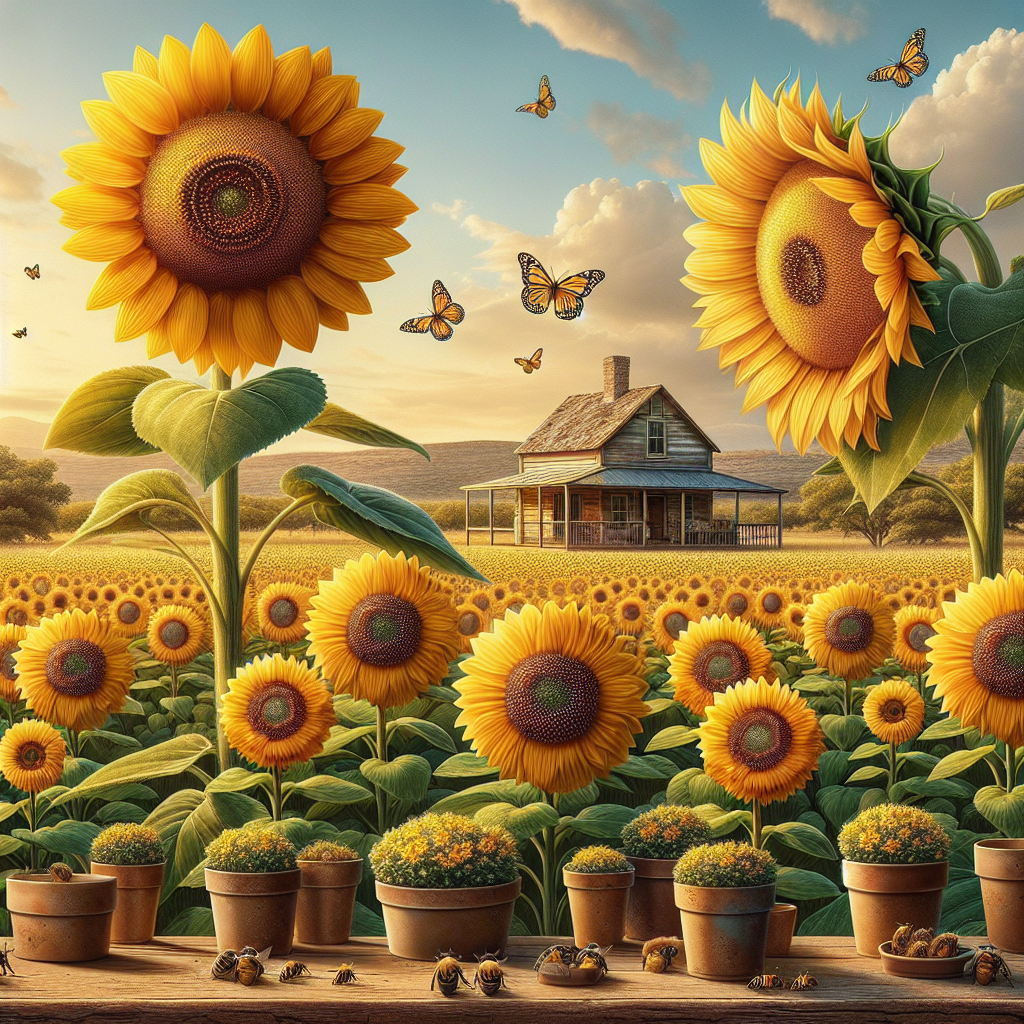
Sunflowers (Helianthus annuus) are much more than just a vibrant emblem of summer; they are a symbol of hope, warmth, and positivity. For those in Texas, cultivating sunflowers not only beautifies the landscape but can also provide a rewarding gardening experience, yield delicious seeds, and support local wildlife. This guide delves into every aspect of growing sunflowers in Texas — from selecting the right type to harvesting your seeds—ensuring that your experience is as sunny as the flowers themselves.
Table of Contents:
- Why Grow Sunflowers in Texas?
- Understanding Varieties and Choosing the Right One
- Preparing the Soil for Sunflowers
- Planting Sunflower Seeds
- Caring for Your Sunflowers
- Pest and Disease Management
- Harvesting and Using Sunflower Seeds
- Frequently Asked Questions (FAQs)
- Conclusion
1. Why Grow Sunflowers in Texas?
The Beauty Factor:
Sunflowers, with their large, cheerful yellow petals and dark centers, can brighten up any garden space. In Texas, where the native flora often includes hardy drought-resistant plants, sunflowers are an excellent addition that can stand out while complementing local vegetation.
Ecological Benefits:
Sunflowers are not just pretty; they are beneficial for local wildlife. These plants attract bees, butterflies, and various pollinators, playing a crucial role in maintaining ecological balance. Additionally, sunflowers are great companion plants that can repel pests from other crops.
Food Production:
Sunflower seeds are a nutritious snack, loaded with vitamins and minerals. They can be eaten raw, roasted, or ground into sunflower butter, making them a perfect addition to your kitchen.
Wellness:
The act of gardening is therapeutic. Working in the soil, nurturing plants, and connecting with nature can reduce stress and elevate mood. With a sunflower garden, you not only create a beautiful space but also promote your mental well-being.
2. Understanding Varieties and Choosing the Right One
Sunflowers come in various species and cultivars. The most common sunflower varieties for growers in Texas include:
-
Mammoth Sunflowers: These giants can grow up to 12 feet tall, making a stunning visual impact. They produce larger seeds, perfect for snacking.
-
American Giant: Slightly shorter than Mammoth sunflowers, they still reach impressive heights. They are resilient and well-suited to Texas climates.
-
Teddy Bear: Known for their fluffy, bushy appearance, Teddy Bear sunflowers are shorter (2-3 feet) and perfect for smaller gardens. Their double blooms make them a favorite among kids and gardeners alike.
-
Dwarf Sunflowers: Perfect for containers or small gardens, these varieties typically grow to a height of 1-2 feet. They are delightful and ideal for landscape borders.
When choosing a variety, consider the following:
- Space available: How much room do you have for growing?
- Height preference: Do you want towering sunflowers or smaller varieties?
- Purpose: Are you looking for ornamental value, seeds for consumption, or a mix?
3. Preparing the Soil for Sunflowers
Soil Requirements:
Sunflowers thrive in well-draining soil rich in nutrients. A pH level between 6.0 and 7.5 is ideal. Conducting a soil test can help determine the nutrient content and pH level of your soil.
Soil Preparation Steps:
-
Clear the Area: Remove all weeds, rocks, and debris from the area where you plan to plant sunflowers.
-
Amend the Soil: Incorporate organic matter like compost or well-rotted manure to improve soil fertility and drainage.
-
Tilling: Loosen the soil to a depth of at least 12 inches. This helps roots penetrate better and find nutrients.
-
Leveling: Rake the area smooth to avoid water pooling, which can lead to root rot.
4. Planting Sunflower Seeds
Ideal Planting Time:
In Texas, the best time to plant sunflowers is from mid-March to mid-June, depending on your specific region (East Texas might require a slightly different window than West Texas).
Seed Planting Instructions:
- Seed Depth: Plant seeds about 1-2 inches deep.
- Spacing: Space seeds about 6-12 inches apart, depending on the variety. For taller species, 12-18 inches is advisable.
- Rows: If planting in rows, keep the rows about 2-3 feet apart to allow for mowing and easy access.
Watering After Planting:
After sowing, water the area lightly to help settle the soil around the seeds. Ensure that the soil remains moist but not soaked.
5. Caring for Your Sunflowers
Watering:
Sunflowers are relatively drought-resistant but require regular watering during their early stages. Water thoroughly but allow the top layer of soil to dry out between watering sessions.
Fertilization:
While sunflowers don’t require excessive nutrients, a balanced fertilizer (10-10-10) can be applied at planting and again midway through the growing season to promote healthy growth.
Staking:
Tall sunflower varieties may require support, particularly in windy areas. Use stakes to secure the plants if necessary.
6. Pest and Disease Management
Common Pests:
- Aphids: These small insects can cluster on the stems and leaves. Use insecticidal soap or neem oil to control their population.
- Sunflower Beetles: They feed on the leaves. Handpicking them or using organic pesticides can help keep them at bay.
- Birds: As your sunflowers mature, birds may start to eat the seeds. Consider using netting or scare tactics to protect the flowers.
Diseases:
- Powdery Mildew: This fungal disease can develop in humid conditions. Plant sunflowers in areas with good air circulation to prevent it.
- Downy Mildew: Affected plants will have yellow spots on the leaves. Remove infected plants and ensure proper spacing.
7. Harvesting and Using Sunflower Seeds
When to Harvest:
Sunflowers are ready for harvest when the backs of the heads turn yellow and the seeds are plump. Cut the heads off the plants, leaving a few inches of stem attached.
Drying:
Hang the cut heads upside down in a cool, dry place, away from direct sunlight. Ensure good air circulation to prevent mold growth. This can take 2-3 weeks.
Removing Seeds:
Once dry, you can easily remove the seeds by rubbing your hand across the sunflower head. Collect them in a bowl or container.
Using Sunflower Seeds:
- Snacking: Roasted sunflower seeds make a nutritious snack.
- Cooking: Use them in salads, granola bars, or baked goods.
- Planting: Save some seeds for next year’s planting!
8. Frequently Asked Questions (FAQs)
Q1: Can I grow sunflowers in pots?
A1: Yes, dwarf sunflowers are ideal for container gardening. Ensure the pot is at least 12 inches wide and deep, filled with quality potting mix.
Q2: What’s the best way to attract pollinators?
A2: By planting diverse flowers around your sunflower garden and avoiding chemical pesticides, you can create a welcoming environment for bees and butterflies.
Q3: How can I save sunflower seeds for the next planting season?
A3: After harvesting and thoroughly drying the seeds, store them in a cool, dry place in a paper bag or envelope. Label them with the date and variety for future reference.
Q4: How tall can sunflowers grow?
A4: Depending on the variety, sunflowers can range from about 1 foot (for dwarf types) to over 12 feet tall (for giant varieties).
Q5: Do sunflowers require full sun?
A5: Yes, sunflowers thrive in full sun. They require a minimum of 6 hours of direct sunlight a day for optimal growth.
Q6: Are sunflowers annual or perennial?
A6: Sunflowers are annual plants, meaning they complete their life cycle within one growing season. However, they often self-seed, and you may find new plants sprouting the following season.
9. Conclusion
Growing sunflowers in Texas can be a fantastic and liberating experience, whether you’re a seasoned gardener or a novice. Their aesthetic appeal, combined with ecological benefits and personal rewards, makes them an ideal choice for anyone looking to beautify their space and contribute positively to the environment.
Celebrate the beauty of sunflowers in your home by investing time, creativity, and care into their growth. With their towering heads following the sun, they will provide joy and positivity in your life, all while being a source of nutritious seeds and a haven for wildlife.
So grab your gardening tools and let the bright, cheerful sunflowers bloom in your Texas backyard! 🌻