
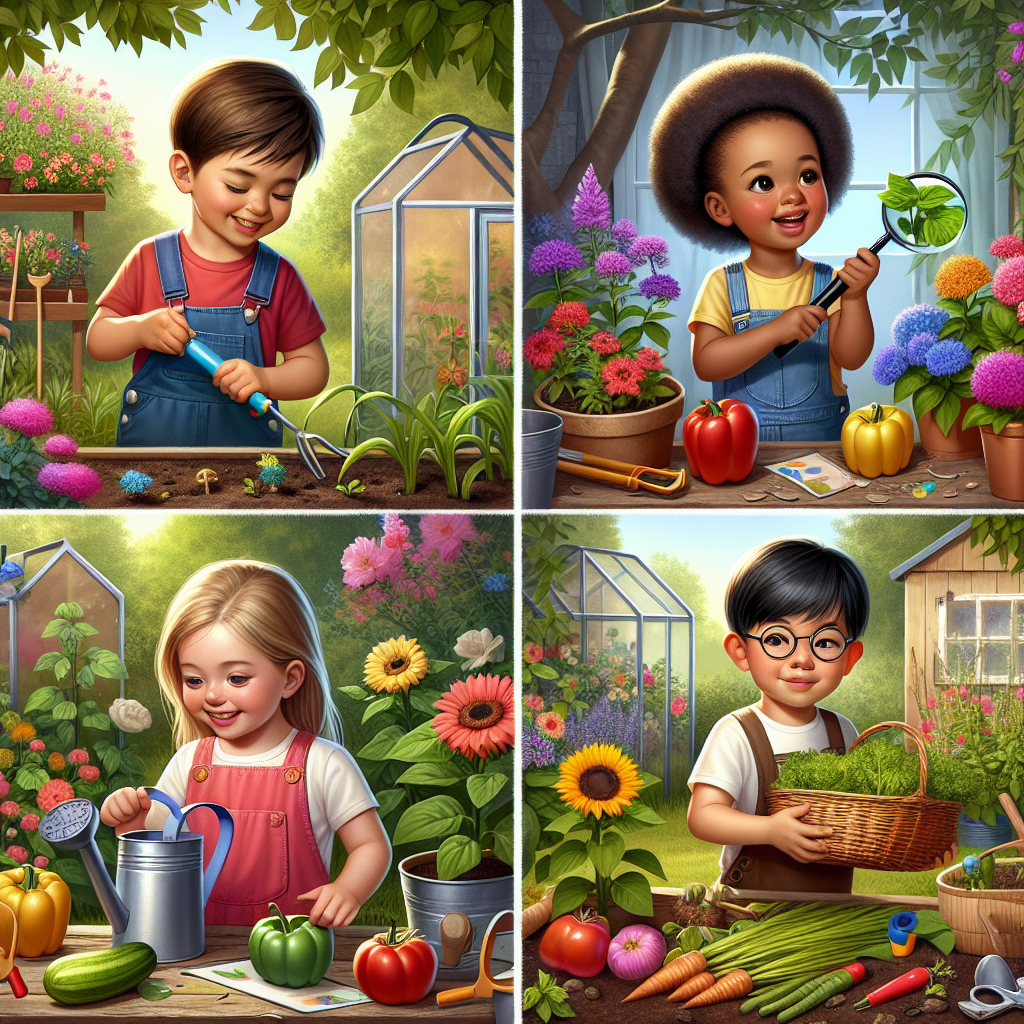
Gardening is often seen as a peaceful, meditative activity pursued by adults in backyards or community plots. However, the benefits of gardening extend into the realm of childhood, particularly for preschoolers. The roots of early childhood development are nurtured in a garden of rich experiences that can nourish young minds and foster emotional, social, cognitive, and physical growth. In this article, we will dive deep into the multifaceted benefits of gardening for preschoolers, addressing common questions and concerns, and providing insights into why introducing children to gardening can be one of the best educational choices for their formative years.
Why Should We Introduce Gardening to Preschoolers?
What age is appropriate for preschoolers to start gardening?
Preschoolers, typically aged 3 to 5 years, are incredibly curious and eager to learn. At this age, they possess a natural inclination toward hands-on activities and are adept at exploring their surroundings. Introducing gardening to children around this age allows them to engage in sensory exploration and develop a deeper connection with nature. Most experts agree that children as young as 2 years old can participate in simple gardening activities, laying the groundwork for lifelong learning.
Physical Benefits of Gardening
How does gardening help improve physical health in preschoolers?
-
Motor Skills Development:
Gardening involves a variety of movements that can enhance fine and gross motor skills. Activities like digging, planting seeds, watering plants, and pulling weeds encourage children to use their hands and arms. These tasks develop hand-eye coordination and strength, essential components of physical development. -
Encouragement of Outdoor Play:
In a time when many children are sedentarious and glued to screens, gardening provides a motivating reason to get outdoors. The physical nature of gardening helps preschoolers expend energy, which can lead to better sleep patterns and improved overall physical health. -
Healthy Habit Formation:
By involving children in gardening, they can learn about the importance of fresh fruits and vegetables firsthand. Growing their own food can make children more likely to try new healthy foods, encouraging better eating habits and an appreciation for nutritious choices.
Cognitive Benefits of Gardening
How can gardening enhance cognitive skills in preschoolers?
-
Scientific Understanding:
Gardening serves as a real-world classroom where concepts of biology, ecology, and weather can be explored. Children learn about plant life cycles, soil health, and the importance of pollinators. Such experiences cultivate curiosity about the natural world. -
Problem-Solving Skills:
From figuring out how to arrange plants in a garden to troubleshooting issues like pests or diseases, gardening challenges preschoolers to think critically and develop problem-solving skills. They learn to assess situations and come up with strategies to address them. -
Sensory Awareness:
Gardens stimulate all five senses. The feel of soil, the scent of flowers, the colors of various plants, the sounds of nature, and the taste of fresh produce make for an immersive learning experience. Such stimulation enhances cognitive development by making learning more interesting and engaging.
Emotional Benefits of Gardening
In what ways does gardening encourage emotional growth in preschoolers?
-
Sense of Responsibility:
Taking care of plants can instill a sense of responsibility in preschoolers. They learn that their consistent efforts yield results, teaching them patience and accountability as they work towards a shared goal—the flourishing of their garden. -
Boost in Self-Esteem:
Cultivating plants and seeing them thrive provides an enormous sense of accomplishment. This intrinsic motivation fosters confidence and self-worth, foundational elements for emotional health and well-being. -
Stress Relief and Emotional Regulation:
Gardens are often serene environments that can serve as safe havens for preschoolers. The act of digging, planting, and tending to plants can have calming effects, helping children learn to regulate their emotions and cope with stress in a constructive manner.
Social Benefits of Gardening
How does gardening foster social skills in preschoolers?
-
Teamwork and Collaboration:
Gardening is a wonderful activity for small groups. It encourages teamwork as preschoolers work together to plant seeds, water plants, and establish a garden. These collaborative efforts teach children how to communicate effectively and work toward a common goal. -
Building Relationships:
Whether gardening with friends, siblings, or family members, this activity fosters meaningful relationships. Sharing the responsibilities of caring for a garden often leads to deeper bonds and enhances interpersonal skills. -
Community Engagement:
When community gardening projects are introduced, preschoolers learn the importance of contributing to their community. Engaging in activities that benefit others fosters a spirit of altruism and teaches children about the significance of giving back.
Environmental Awareness and Appreciation
What role does gardening play in teaching preschoolers about the environment?
-
Understanding Ecosystems:
Gardening allows preschoolers to interact with the environment in a tangible way. As they learn about plants, insects, and soil, they also develop an understanding of ecosystems and biodiversity. This awareness is critical in cultivating environmentally conscious citizens. -
Sustainability Education:
Teaching preschoolers about gardening can access conversations around sustainability. Discussions about composting, using natural fertilizers, and conserving water can imbue a sense of responsibility toward the environment. Given the growing concern about climate change and ecological degradation, introducing these concepts early can create a new generation of eco-minded individuals. -
Connecting with Nature:
Gardening provides children with the opportunity to witness the natural world firsthand. As they observe the growth and changes in their plants, they cultivate a sense of wonder and appreciation for nature, which can lead to lifelong environmental stewardship.
Practical Tips for Engaging Preschoolers in Gardening
What can caregivers do to make gardening an enjoyable experience for preschoolers?
-
Incorporate Play:
Use playful activities to engage preschoolers, such as planting seeds in a sandbox as if they’re playing in a little desert or digging with toy shovels. The goal is to keep it fun, which increases their willingness to participate. -
Choose Easy-to-Grow Plants:
Select plants that are easy to grow and require minimal maintenance. Sunflowers, radishes, and beans are great choices. The faster the results, the more encouraged children will feel to stay involved. -
Use Child-Sized Tools:
Make sure to provide small, lightweight gardening tools that fit their little hands. This practical provision makes it easier for children to engage in tasks and enhances their developmental experience. -
Create a Sensory Garden:
Design a garden that stimulates all five senses. Incorporate herbs like mint, plants with varied textures, and vibrant flowers. This multi-sensory experience is both educational and enjoyable. -
Incorporate Storytime:
Share books about gardening, plants, or nature before or during gardening sessions. Stories can make the experience more meaningful and boost children’s imaginations.
Frequently Asked Questions (FAQs)
1. Can gardening be done in small spaces?
Absolutely! Gardens can be established in small spaces, such as balcony containers or window boxes. Vertical gardening techniques and small raised beds also work well for limited areas, allowing children to participate in the gardening experience no matter the space constraints.
2. Are there age-appropriate gardening activities for preschoolers?
Yes, many age-appropriate activities cater to preschoolers. These can include digging holes for planting, watering plants with child-sized watering cans, picking ripe vegetables or flowers, and creating garden art, such as painted rocks or decorated pots.
3. What if they are not interested in gardening?
Children are often drawn to hands-on experiences. If gardening does not excite them, consider involving them in related activities, such as cooking with the vegetables they’ve grown or creating art inspired by the colors and textures of the garden.
4. Can gardening be integrated into preschool curricula?
Yes, gardening can easily be intertwined with various subjects, including science, art, and nutrition. Many preschools worldwide integrate gardening into their curricula, allowing children to experience cross-disciplinary learning.
5. How can I encourage children to eat vegetables they grow?
Involve them in the cooking process! If they see how their vegetables can be transformed into fun dishes—like veggie pizzas or fresh salads—they’re more likely to eat them. Additionally, allowing children to choose which vegetables to grow can create ownership and excitement around eating them.
Conclusion
The benefits of gardening for preschoolers extend far beyond the mere act of digging in the dirt. It is a holistic experience that fuels physical, cognitive, emotional, and social development. As young children plant seeds, tend to growing life, and ultimately harvest the fruits of their labor, they learn valuable life skills that will serve them into adulthood.
Starting a garden may feel like a small act, but it can provide large dividends. By engaging preschoolers in gardening, we offer them a pathway to understand their place in the world: as nurturers, explorers, and stewards of the earth. As we cultivate gardens filled with blossoming plants, we also cultivate young minds filled with knowledge, hope, and respect for the natural world. Let’s plant those seeds today and watch our children thrive!