
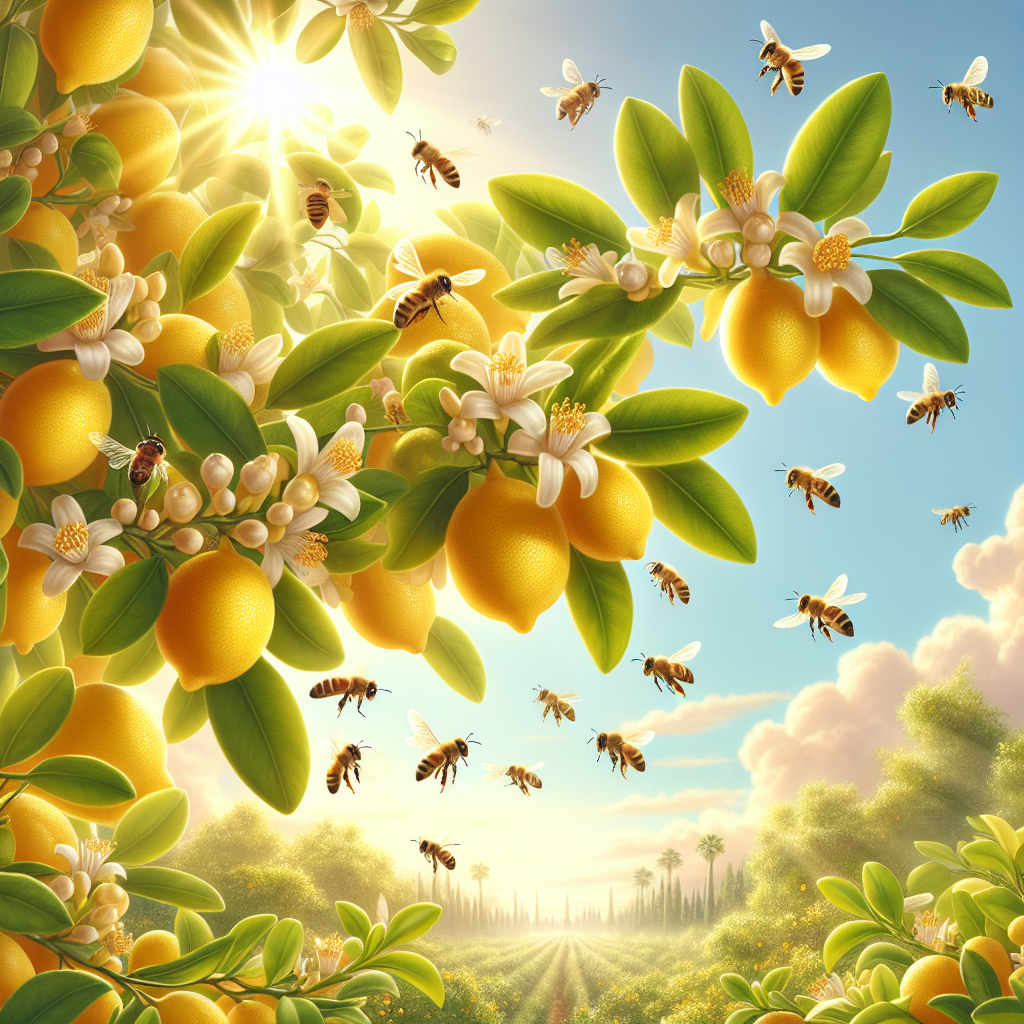
Lemon trees (Citrus limon) are beloved for their vibrant fruit, fragrant blossoms, and glossy green leaves. For gardeners and homeowners cultivating these trees, one significant question often arises: Do lemon trees self-pollinate? The answer to this question is a delightful blend of botany, ecology, and horticulture. In this article, we’ll explore the complexities of lemon tree pollination, offering a comprehensive understanding of how these trees reproduce and thrive.
What is Pollination?
Pollination is the process by which pollen from the male part of a flower (the anther) is transferred to the female part (the stigma). This transfer can occur through various methods, including wind, water, or the action of pollinators like bees and other insects. For a flower to produce fruit and seeds, successful pollination is essential.
Types of Pollination
-
Self-Pollination:
This occurs when pollen from a flower’s anther fertilizes its own stigma. This process often results in fruit that is genetically similar to the parent plant, providing some advantages in maintaining desirable traits. -
Cross-Pollination:
Cross-pollination involves pollen transfer between flowers of different plants. This method often enhances genetic diversity, contributing to healthier and more resilient plants.
Do Lemon Trees Self-Pollinate?
Yes, lemon trees can self-pollinate! They possess perfect flowers, meaning each flower has both male (stamens) and female (pistil) reproductive organs. As a result, they are capable of fertilizing themselves without needing pollen from another tree. However, there are nuances that can affect their fruit production and quality.
The Role of Pollinators
While lemon trees can self-pollinate, they benefit from pollinators. Bees, in particular, are attracted to the sweet-scented blossoms of lemon trees. Their movement from flower to flower aids in the pollination process, increasing the chances of fruit set and improving overall yield. Moreover, cross-pollination by bees can lead to better fruit development, as genetic diversity often results in stronger plants.
Pollination Process in Lemon Trees
-
Flowering Stage:
Lemon trees typically bloom in spring and can produce flowers throughout the year, depending on the climatic conditions. Each flower opens for several days, providing ample opportunity for pollination. -
Pollen Transfer:
When a bee visits a bloom, it collects nectar, inadvertently picking up pollen grains on its body. As it moves to the next flower, some of this pollen may be transferred to the stigma, triggering the fertilization process. -
Fertilization and Fruit Set:
Following successful pollination, the flower will eventually develop into a fruit. Not all flowers will successfully turn into lemons, and environmental factors, as well as the presence of pollinators, can affect the final yield.
Factors Affecting Self-Pollination
While lemon trees are capable of self-pollination, several factors can influence this process:
-
Flower Structure:
The flower’s structure can affect pollination efficiency. In some cases, flowers may not open wide enough for self-pollination to occur effectively. -
Pollen Viability:
The viability of pollen can diminish due to environmental stressors, such as extreme temperatures or lack of moisture. Healthy pollen is vital for successful fertilization. -
Genetic Factors:
Lemon trees can still exhibit variability even though they self-pollinate. Genetic diversity can sometimes result in hybrid vigor, improving overall tree health and fruit quality when cross-pollination occurs. -
Weather Conditions:
Weather plays a vital role in pollination. For example, excessive rain can wash away pollen, and high winds can disrupt the pollination process. Conversely, pleasant weather often attracts more pollinators. -
Tree Health:
The general health of the lemon tree is paramount. Nutrient deficiencies or diseases can lead to reduced flower production or lower fruit set rates.
Best Practices for Lemon Tree Pollination
To maximize fruit production in lemon trees, consider the following best practices:
-
Plant Multiple Trees:
Although lemon trees can self-pollinate, planting multiple trees can increase the likelihood of cross-pollination and lead to a more fruitful harvest. -
Attract Pollinators:
To draw bees and other pollinators to your garden, consider planting various flowering plants nearby. Plants like lavender, clover, and sunflowers can attract these beneficial insects. -
Monitor Weather:
Keep an eye on weather patterns during the flowering season. If you anticipate unfavorable conditions, consider temporarily covering trees to protect blooms from excessive rain or strong winds. -
Maintain Tree Health:
Regularly fertilize your lemon tree with a balanced fertilizer and ensure it receives adequate water. Pruning can also improve air circulation and sunlight exposure, promoting better growth. -
Hand Pollination:
For those eager to ensure optimal fruit development, hand pollination is an option. You can gently use a small brush to transfer pollen from one flower to another, mimicking the action of bees.
Signs Your Lemon Tree May Not Be Pollinating Well
Identifying issues with pollination is crucial for successful fruit production. Here are some signs to look for:
-
Poor Fruit Set:
If your tree is blooming but not producing fruit, it could be a sign of ineffective pollination. Keeping track of flower-to-fruit ratios can help identify this issue. -
Drops Flowers Quickly:
If the flowers fall off prematurely without developing into fruit, pollination may not be occurring effectively. -
Small or Underdeveloped Fruits:
In some cases, even if fruit sets occur, they may be small or not develop properly, indicating potential issues with the pollination process.
Frequently Asked Questions
1. How long does it take for lemons to grow after flowering?
Typically, it takes about 6 to 9 months for lemons to grow and mature after flowering. The exact timeframe can vary depending on the lemon variety, environmental conditions, and care provided.
2. When do lemon trees bloom?
Lemon trees generally bloom during the spring months, but in warm climates, they can flower multiple times a year. This continuous blooming allows for a lengthy harvest season.
3. Can I grow lemons indoors?
Yes! Lemon trees can thrive indoors, given they have ample sunlight (at least 10-12 hours a day) and proper care. Utilizing a dwarf variety like ‘Improved Meyer’ can make indoor gardening easier and more productive.
4. What are the best conditions for growing lemon trees?
Lemon trees prefer a sunny and warm environment. They thrive in well-drained soil with a pH level between 6.0 and 7.5. Consistent watering, especially during the flowering season, is vital for healthy growth.
5. Do lemon trees need a specific roommate for pollination?
While lemon trees can self-pollinate, having another tree nearby enhances the likelihood of successful pollination. This is particularly true if you are aiming for better yield and fruit size.
6. What pests are common in lemon trees?
Lemon trees can face threats from aphids, spider mites, and various diseases. Regular inspections and appropriate treatments will help keep your lemon tree healthy.
7. Are there different lemon varieties regarding pollination?
Yes, there are various lemon varieties, including Eureka, Lisbon, and Meyer lemon. While all can self-pollinate, some may have different flower structures and yield rates based on growing conditions.
Conclusion
Lemon trees are a delightful addition to any garden, providing not only fresh fruit but also aromatic blossoms and beautiful foliage. Understanding whether lemon trees self-pollinate is crucial for anyone enthusiastically engaging in growing these fruitful trees. Due to their ability to self-pollinate, lemon trees are relatively low-maintenance; however, providing the right conditions and encouraging pollinators can lead to exceptional fruit production.
By adopting best practices in cultivation, ensuring the right environmental conditions, and even employing techniques like hand pollination, gardeners can enjoy a bountiful lemon harvest. Whether you’re planting a single tree or creating a citrus grove, the joy of nurturing a lemon tree unfolds through the beauty of its flowers and the satisfaction of harvesting homegrown lemons.
In summary, lemon trees intrinsically possess the ability to self-pollinate, but the interconnectedness of nature can enhance their success through collaboration with pollinators and optimal care. So whether you’re a seasoned gardener or just beginning your journey, the world of lemon trees offers an exciting and rewarding adventure waiting to flourish in your backyard. Happy gardening!