
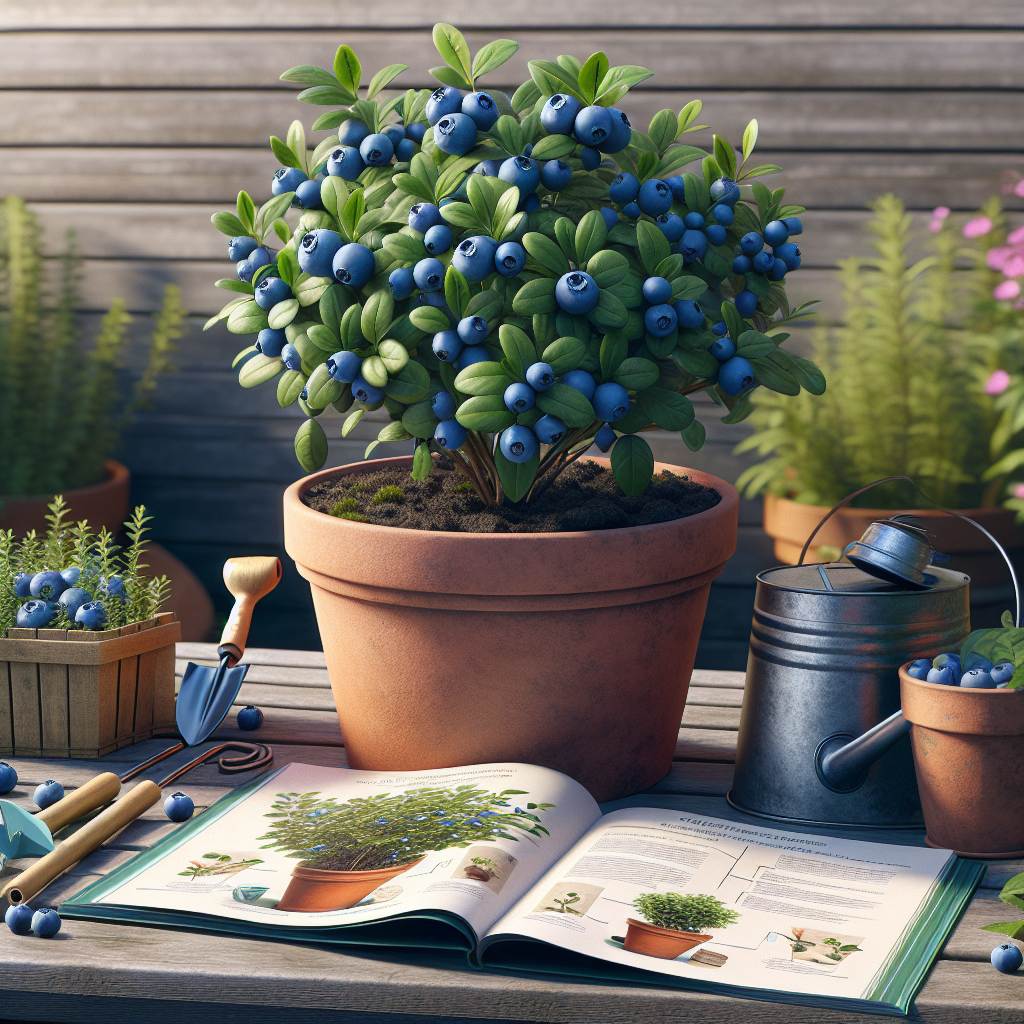
Blueberries, celebrated for their delectable flavor, vibrant color, and impressive health benefits, have captivated home gardeners and food enthusiasts alike. If you’re short on space or simply prefer container gardening, you might wonder: Can you grow blueberries in a pot? The simple answer is a resounding yes! This article will delve deeply into the ins and outs of growing blueberries in pots, discussing everything from the best varieties to care tips, benefits, and common challenges.
Why Grow Blueberries in Pots?
Space Efficiency
One of the most compelling reasons to grow blueberries in pots is space efficiency. Urban dwellers or those with limited garden space can still enjoy homegrown fruit by utilizing containers on patios, balconies, or even in windowsills.
Accessibility
Container gardening makes it easier to tend to your plants. For individuals with limited mobility, pots can be placed at a comfortable height, and they can be easily moved to access sunlight or shelter them from adverse weather conditions.
Versatile and Decorative
Potted blueberry plants can enhance the aesthetic appeal of your outdoor space. They come in various ornamental pots and can serve as decorative pieces in your garden design.
Controlled Environment
Growing blueberries in pots allows you to control the soil quality, moisture levels, and nutrients, leading to healthier plants and potentially higher yields.
Choosing the Right Blueberry Varieties for Pots
Not all blueberry varieties are created equal when it comes to container gardening. Here are the best choices for pot cultivation:
1. Dwarf Varieties
Dwarf blueberries are specifically bred for container growing. Here are a few noteworthy options:
- Top Hat: This compact variety grows to about 1-2 feet tall and produces small but sweet berries.
- Jelly Bean: Reaching heights of around 1-1.5 feet, this variety is known for its high yield of sweet, flavorful berries.
- Sunshine Blue: A semi-dwarf variety that’s slightly larger but still well-suited for containers. It’s particularly important for warmer climates and has a delightful flavor.
2. Half-High Varieties
These varieties are approximately half the height of standard blueberry bushes, making them great for pots:
- Northcountry: Compact and hardy, it produces medium-sized berries with a strong flavor.
- Northblue: Known for its high yield, it can grow up to 2 feet tall and withstand cold temperatures.
3. Standard Varieties (in Large Pots)
With the right care, standard blueberry varieties can also thrive in large pots:
- Bluecrop: A popular choice among growers for its adaptability and large berries. Requires a pot of at least 5-7 gallons.
- Legacy: Known for its long harvest period and flavorful berries, this variety can grow tall and may need a larger container.
Selecting the Right Pot
As you embark on your journey to grow blueberries in pots, the choice of pot is crucial. Here’s what to consider:
1. Size Matters
A larger pot is generally better as it provides more room for roots to grow. Aim for at least a 5-gallon pot for dwarf varieties and a larger pot (10-15 gallons) for standard varieties to ensure new growth and fruit production.
2. Material
While pots can be made from various materials, choose ones that facilitate drainage. Wood, ceramic, and plastic are common options. Terracotta pots are porous, allowing air and moisture to reach the roots but tend to dry out quickly, requiring more frequent watering.
3. Drainage
Good drainage is vital to the health of blueberry plants. Ensure your pots have drainage holes and consider adding gravel or coarse sand at the bottom to improve drainage further.
Soil Requirements for Blueberries
Blueberries thrive in acidic soil. Here’s how to prepare the ideal mix:
1. Soil pH
Aim for a soil pH of around 4.5-5.5. You can purchase soil testing kits to confirm pH levels. If your soil is not acidic enough, you can amend it with sulfur or peat moss to lower the pH.
2. Soil Composition
A well-draining mix is essential. Consider a blend of:
- Peat moss: Provides acidity and moisture retention.
- Pine bark: Improves soil aeration and drainage.
- Perlite: Facilitates drainage and prevents soil compaction.
- Acidic compost: Adds nutrients while maintaining acid levels.
Planting Blueberries in Pots
Now that you have everything ready, it’s time to plant your blueberries. Follow these steps:
1. Preparation
Soak your potted plants in water for about an hour before planting. This helps reduce transplant shock and allows the roots to rehydrate.
2. Fill the Pot
Fill your pot with the prepared acidic soil mix, leaving enough space to accommodate the root ball of your plant.
3. Planting
Create a hole in the soil, place the blueberry plant in it, and cover the roots with soil. Ensure the plant is at the same depth it was in its nursery pot to avoid stress on the plant.
4. Watering
Water the newly planted blueberry thoroughly until moisture drains from the bottom. This settles the soil around the roots and helps eliminate any air pockets.
Care and Maintenance
Growing blueberries in pots requires consistent care. Here are essential tips to ensure healthy plants and productive yields.
1. Watering
Blueberries thrive in moist conditions but dislike sitting in water. Keep the soil consistently moist, but ensure the pot drains well. During extremely hot weather, more frequent watering may be necessary.
2. Fertilization
While blueberries don’t require excessive fertilizer, they benefit from a balanced formula designed for acid-loving plants. Use a slow-release fertilizer in early spring and follow the manufacturer’s guidelines for application.
3. Mulching
Applying a layer of mulch helps retain moisture, suppress weeds, and maintain soil temperature. Use materials like pine needles, shredded bark, or wood chips for best results.
4. Sunlight Requirements
Blueberries need full sun for at least 6-8 hours daily to produce optimal yields. Position your pots in a location where they receive direct sunlight for most of the day.
5. Pruning
Regular pruning encourages bushier growth and increases yield. After the harvest, prune dead or damaged branches and thin out crowded areas to improve air circulation and sunlight penetration.
6. Winter Care
In colder climates, protecting your potted blueberries from freezing temperatures is crucial. Move pots to a sheltered location, or wrap them in burlap or blankets for insulation.
Common Issues and Solutions
Even the best gardeners may encounter issues. Here are some common problems and their remedies:
1. Pest Control
Blueberries can attract pests such as aphids, spider mites, and fruit worms. Regularly inspect your plants and use organic insecticides or insecticidal soap as needed. Maintaining plant health through good cultural practices can reduce pest infestations.
2. Disease Management
Common diseases affecting blueberries include powdery mildew and root rot. Ensure good air circulation, proper watering practices, and avoid overcrowding your plants to reduce disease risk.
3. Berry Burrs
If you notice that your blueberry bushes are flowering but not producing fruit, it could be due to inadequate pollination. Plant two or more varieties of blueberries nearby for cross-pollination, which improves yield.
4. Nutrient Deficiency
If the leaves turn yellow, especially between the veins, your blueberry might be suffering from iron chlorosis, indicating nutrient deficiencies. Consider applying a chelated iron fertilizer to resolve this issue.
Harvesting and Enjoying Your Blueberries
Once your blueberries start ripening, it’s time for the best part: harvesting!
1. When to Harvest
Blueberries typically ripen in late summer. Berries that are firm and fully colored are ready for picking. Taste one to ensure it’s sweet!
2. Harvesting Technique
Gently twist or pull the ripe berries from the cluster. Avoid pulling too hard, as this can damage the plant.
3. Storage
Freshly picked blueberries can be stored in a refrigerator for about a week. For longer-term storage, consider freezing them; spread the washed berries on a cookie sheet and freeze them before transferring them to airtight bags.
Benefits of Growing Blueberries
Growing blueberries in pots offers numerous benefits beyond just the delicious fruit:
1. Health Benefits
Blueberries are rich in antioxidants, vitamins C and K, and fiber. They may contribute to heart health, improve brain function, and even enhance digestion.
2. Sustainability
Homegrown blueberries reduce reliance on store-bought produce, minimizing carbon footprints associated with transportation and packaging. Plus, growing your food is an environmentally friendly practice that promotes sustainability.
3. Cost-Effective
Purchasing fresh blueberries can be expensive, especially out of season. Growing your own can save money in the long run, especially as blueberry plants can live and produce for many years.
Frequently Asked Questions
Q1: How long do blueberry plants take to bear fruit?
Most blueberries will produce fruit within 2-3 years of planting, depending on the variety and growing conditions. Some will begin to yield berries in their first year, though production may be limited.
Q2: Can I grow blueberries indoors?
Yes, blueberries can be grown indoors as long as they receive adequate sunlight (at least 6 hours daily) or are supplemented with grow lights.
Q3: How often should I fertilize my potted blueberries?
Fertilization should typically occur in early spring with a balanced formulation suitable for acidic plants. A slow-release fertilizer helps meet their nutrient needs throughout the growing season.
Q4: Do I need multiple plants for fruiting?
While some blueberry varieties can produce fruit alone, planting at least two different varieties of blueberries nearby significantly improves pollination rates and overall yield.
Q5: Can I reuse potting soil for blueberries?
It’s possible to reuse potting soil, but ensure it’s free from diseases and pests. However, replenishing it with fresh organic matter and adjusting pH may be necessary to maintain the acidic conditions blueberries require.
Conclusion
Growing blueberries in a pot is not only possible; it’s rewarding and practical. With the right variety, pot, soil, and care practices, you can enjoy an abundance of luscious, homegrown berries. As you embark on your blueberry-growing journey, remember to cherish the process. The sweet, plump berries produced in your own pot will taste even better knowing you nurtured them from the very beginning. Happy gardening!