
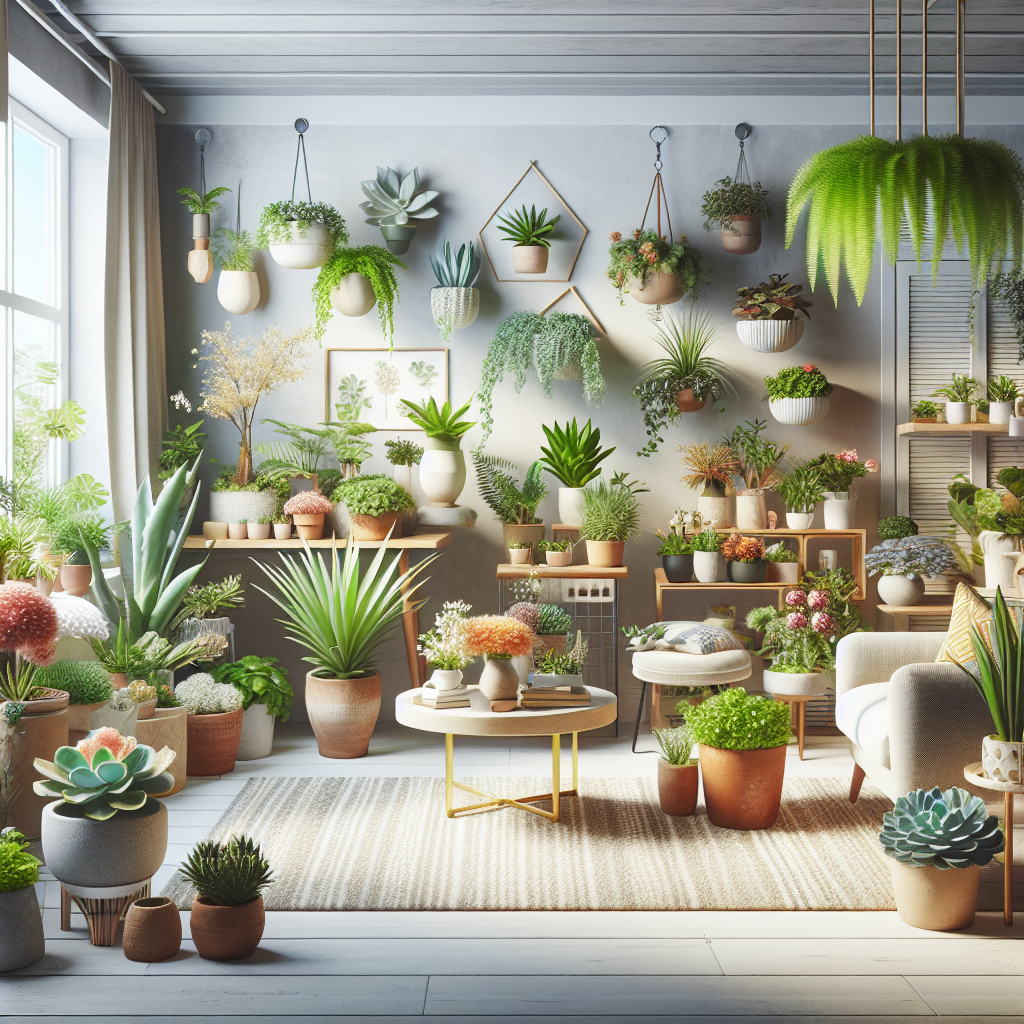
In today’s fast-paced world, urban living often means limited space, especially for those residing in apartments. However, the growing tendency to reconnect with nature and the health benefits of gardening have led many to wonder if they can cultivate a green thumb in their cozy urban abodes. The answer is a resounding “yes”! Container gardening is an ideal solution for apartment dwellers looking to add a splash of greenery to their lives. In this comprehensive article, we will explore the ins and outs of container gardening, addressing common questions and providing practical advice.
Table of Contents
- What is Container Gardening?
- Why Choose Container Gardening?
- Selecting the Right Containers
- Choosing the Best Plants for Your Apartment
- Soil and Fertilizers: The Building Blocks of Container Gardening
- Watering Wisely: How to Keep Your Plants Healthy
- Light Requirements: Finding the Perfect Spot
- Common Mistakes to Avoid in Container Gardening
- Pest Control Naturally
- Creative Ideas for Container Gardening in Apartments
- Conclusion and Final Thoughts
1. What is Container Gardening?
Container gardening is the practice of growing plants in pots or other containers instead of planting them directly into the ground. This method’s flexibility allows you to cultivate a wide variety of plants—herbs, flowers, vegetables, and ornamental plants—within a limited space. Whether you have a balcony, patio, or even just a sunlit windowsill, container gardening presents a unique opportunity for urban dwellers.
2. Why Choose Container Gardening?
Container gardening is perfect for apartments for several reasons:
- Space Efficiency: Containers can be place anywhere, making it easier to utilize awkward or small spaces.
- Mobility: You can move containers according to seasonal changes in light or if you need to reorganize your space.
- Control Over Soil: Different plants have different nutrient needs, which you can easily cater to by choosing the right soil for each container.
- Creative Expression: Containers can serve as beautiful decorations that reflect your personality and style.
- Environmental Benefits: Gardening contributes to reduced air pollution, increased biodiversity, and lower stress levels.
3. Selecting the Right Containers
When it comes to containers, the choices are vast:
- Material: Terracotta, plastic, metal, and ceramic containers are widely available. Each has its pros and cons. For instance, terracotta is porous and absorbs moisture, while plastic containers can be lighter and easier to move.
- Size: The size of the container depends on the plant’s root system. Larger plants need larger pots; smaller herbs can flourish in smaller ones.
- Drainage: Ensure the container has drainage holes to prevent waterlogging, which can lead to root rot.
- Style: Consider colors and patterns that complement your apartment decor. There are countless decorative options that double as artistic statements.
4. Choosing the Best Plants for Your Apartment
Choosing the right plants is crucial for success in container gardening. Here are some types of plants that thrive in containers:
- Herbs: Basil, mint, rosemary, and thyme are great choices. They are relatively low-maintenance and commonly used in cooking.
- Flowering Plants: Marigolds, petunias, and geraniums add beautiful color, are easy to care for, and can thrive in containers.
- Vegetables: Tomatoes, peppers, and lettuce can be grown successfully in containers. Opt for dwarf or space-efficient varieties.
- Succulents and Cacti: Ideal for low-maintenance enthusiasts, these plants require minimal watering and thrive in bright light.
- Indoor Plants: Spider plants, pothos, and peace lilies are great for indoor environments. They can improve air quality and add a touch of greenery to your living space.
5. Soil and Fertilizers: The Building Blocks of Container Gardening
The right soil is essential for your plants’ growth:
- Potting Mix: Use a high-quality, well-draining potting mix specifically designed for container gardening. Avoid garden soil as it can be too dense and may contain pests.
- Fertilization: Container plants require regular feeding since nutrients are leached out of the soil with watering. Use a slow-release fertilizer or organic options like compost or worm castings. Always follow the feeding schedule recommended on the package.
6. Watering Wisely: How to Keep Your Plants Healthy
Watering is one of the most crucial elements of container gardening:
- Frequency: Containers dry out much faster than garden soil. Check your plants daily, especially during hot weather. On average, you may need to water them every 2-3 days.
- Technique: Water thoroughly until it drains from the bottom of the pot. This ensures that the entire root system gets moisture.
- Signs of Overwatering or Underwatering: Yellowing leaves may indicate overwatering, while wilting may be a sign of underwatering. Adjust your watering habits accordingly.
7. Light Requirements: Finding the Perfect Spot
Understanding your plants’ light requirements is vital:
- Types of Light: Most plants thrive in bright, indirect sunlight. However, some, like succulents, prefer direct sunlight, while shade-loving plants do well in low-light conditions.
- Monitoring Light Conditions: Observe how the light changes throughout the day in your apartment. Use sheer curtains to diffuse harsh light for sensitive plants.
- Supplemental Lighting: Consider grow lights if natural light is insufficient, especially during darker winter months.
8. Common Mistakes to Avoid in Container Gardening
To make your container garden successful, here are common pitfalls to avoid:
- Overcrowding: Avoid cramming too many plants into one container. Each plant needs its own space to grow.
- Ignoring Drainage: Always ensure proper drainage. Waterlogged soil can harm your plants.
- Ignoring Seasonal Changes: Seasonal changes affect plant growth. Be ready to move containers based on their light needs or to protect them from harsh weather.
9. Pest Control Naturally
Pests can be a challenge in container gardening:
- Natural Attractants: Invite beneficial insects, like ladybugs and lacewings, to control pests naturally.
- Companion Planting: Some plants, like marigolds, can repel pests, while others can attract beneficial insects.
- Homemade Remedies: Use mild soap sprays or neem oil as natural pest deterrents.
10. Creative Ideas for Container Gardening in Apartments
Your container garden can go beyond just pots on a balcony:
- Hanging Gardens: Use wall-mounted planters or hanging baskets to save floor space.
- Vertical Gardens: Utilize vertical shelving to create a multi-level garden.
- Window Boxes: Attach boxes outside your windows for an instant floral upgrade.
- Lanterns & Jars: Get creative! Old lanterns or glass jars can serve as unique planters.
11. Conclusion and Final Thoughts
Container gardening in apartments allows urban dwellers to connect with nature while maximizing limited space. It provides personal joy, aesthetic beauty, and offers a therapeutic outlet from the hustle and bustle of city life. By choosing the right plants, containers, and care techniques, anyone can become a successful container gardener.
So, whether you’re a novice eager to cultivate your first herb garden or an experienced gardener looking to adapt to life in a small space, the world of container gardening awaits you. Embrace the journey, nurture your plant babies, and watch as your apartment transforms into a lush, vibrant haven. Happy gardening!