
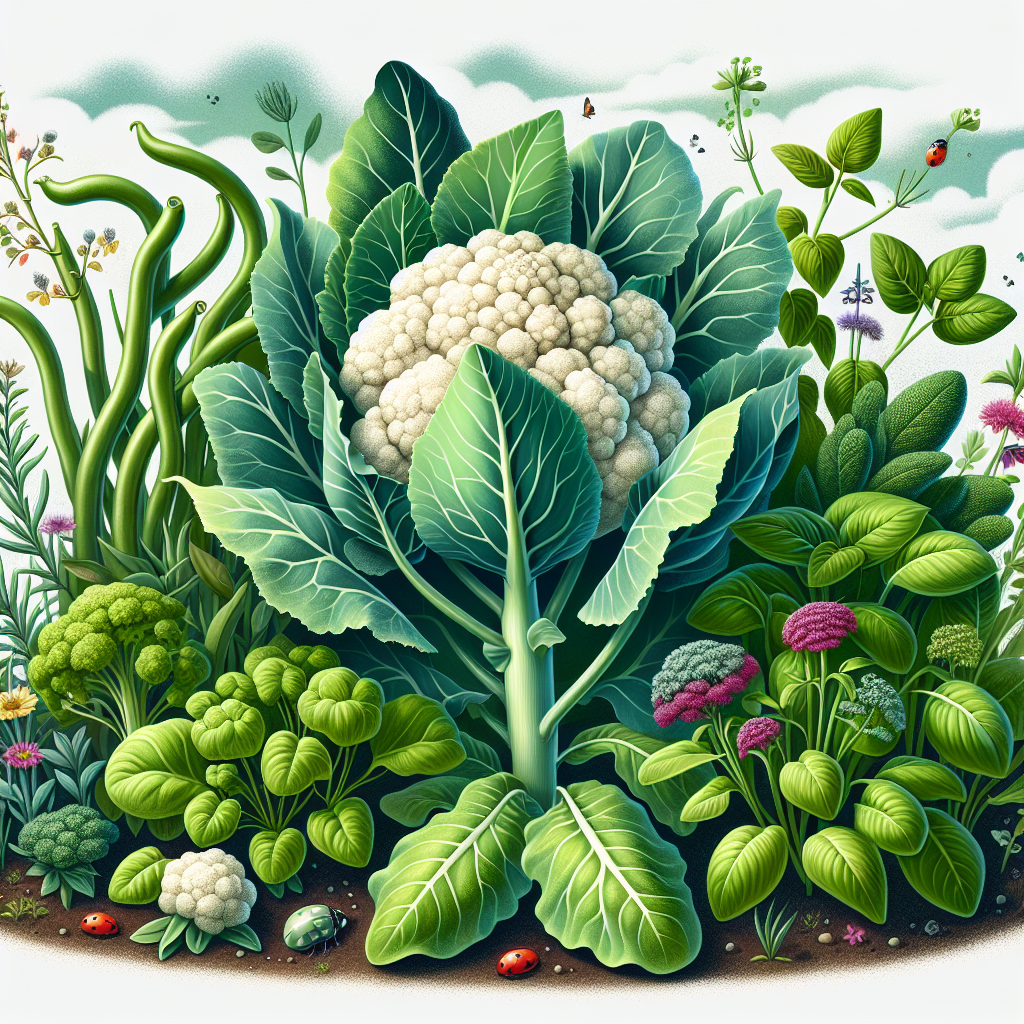
Cauliflower (Brassica oleracea var. botrytis) is a cruciferous vegetable known for its edible flower clusters, commonly referred to as “curds.” Beloved for its versatility in the kitchen, cauliflower is a nutrient-rich vegetable that thrives in cool climates. As a gardener, maximizing the success of cauliflower plants can often come down to understanding the concept of companion planting. This age-old practice enhances growth, deters pests, and promotes optimal health for plants. In this article, we’ll explore the best companion plants for cauliflower, the benefits of companion planting, and answer common questions about gardening with cauliflower.
The Benefits of Companion Planting
-
Pest Control:
Certain plants can detour harmful insects that threaten the growth and health of cauliflower. By planting specific combinations, gardeners can create a natural, pest-repelling environment. -
Nutrient Uptake:
Companion plants can enhance nutrient absorption in the soil, leading to more robust growth for both the cauliflower and its companions. -
Soil Health:
Some companion plants can improve soil structure and fertility. Planting legumes alongside cauliflower can enhance nitrogen levels in the soil. -
Enhanced Flavor:
Some companion plants can even enhance the flavor of cauliflower or improve its growth cycle, leading to a more bountiful harvest. -
Pollinator Attraction:
Certain flowers can attract beneficial pollinators, enhancing the entire garden’s ecosystem and promoting healthy growth.
Best Companion Plants for Cauliflower
1. Herbs
a. Basil
Basil is an excellent companion for cauliflower as it repels pests like aphids and whiteflies. In addition, the aromatic oils from basil can improve the flavor of cauliflower, making it even more delectable in culinary applications.
b. Thyme
Thyme not only repels cabbage worms but also attracts beneficial insects like ladybugs, which feed on pests that can damage your cauliflower plants. Its low growth habit can prevent weeds, providing further protection for cauliflower.
c. Dill
Dill is another beneficial herb for cauliflower. It attracts predatory insects like wasps, which can control aphid populations. Care should be taken, however; since dill can inhibit the growth of certain other plants, it should ideally be planted from seed somewhat distant from cauliflower.
2. Flowers
a. Marigolds
Commonly known for their vibrant colors, marigolds are garden guardians. They serve as a natural deterrent against nematodes and other garden pests. Additionally, marigolds can attract pollinators, promoting healthier cauliflower growth.
b. Nasturtiums
Nasturtiums are not only visually appealing but also serve a pest-repelling role. They can attract aphids, diverting them from more vulnerable plants like cauliflower. Their edible flowers can be a colorful addition to salads, making them a dual-purpose companion plant.
3. Vegetables
a. Onions
Onions have a strong aroma that can significantly deter pests. Planting onions alongside cauliflower can help keep pests such as cabbage moths at bay. They’re also compatible in growth cycles, allowing for effective space management in the garden.
b. Potatoes
Potatoes can benefit from being planted near cauliflower due to their complementary nutrient needs. However, caution should be exercised; planting cabbages and potatoes in close proximity may invite diseases.
c. Beans
Beans, particularly bush types, act as natural fertilizers, fixing nitrogen in the soil and enriching it for neighboring plants like cauliflower. This synergy can lead to healthier, more productive cauliflower.
4. Companion Planting Groups
a. Brassicas
Other members of the Brassica family, such as kale and broccoli, can be excellent companions for cauliflower. They share similar growing conditions and can utilize the same nutrients effectively without competing for space.
b. Celery
Celery is another great companion for cauliflower. Its deep roots can improve soil aeration while its presence can inhibit certain pests.
Frequently Asked Questions
Q1: What should I avoid planting near cauliflower?
It’s essential to be aware of plants that may lead to competition or attract pests. Strawberries, for instance, can attract aphids, and tomatoes may be susceptible to diseases that could spread to your cauliflower. Furthermore, avoid planting brassicas too close to each other, as this can lead to disease proliferation.
Q2: How should I arrange my companion plants in the garden?
Consider grouping plants according to their growth habits and requirements. Taller plants like brassicas can be planted behind shorter herbs like basil. Alternatively, create rows where legumes/fillers like beans can occupy spaces in between larger plants. Pay attention to light requirements—ensuring that all plants get adequate sunlight during the day is key.
Q3: Can companion planting reduce the need for fertilizers?
Yes! Companion planting can enhance soil health over time, often negating the need for harsh chemical fertilizers. Nitrogen-fixing plants like legumes will enrich the soil’s nutrient content, which can ultimately support the growth of cauliflower and other plants.
Q4: How can I encourage pollinators in my garden?
To create a pollinator-friendly environment, include various flowering plants, such as marigolds and nasturtiums, which can attract bees and other beneficial insects. Make sure to plant in clusters to provide visually appealing spaces that draw in pollinators.
Q5: How long does it take for companion plants to affect cauliflower growth?
The extent of beneficial effects from companion plants can vary. Some plants, like beans, may improve soil health relatively quickly, while others may take time to establish their pest-repellent qualities. Regular observation will be vital; you can chart growth patterns on a calendar or journal.
Q6: Can I use companion plants in a container garden for cauliflower?
Absolutely! Companion plants can thrive in containers. Herbs like thyme and basil or flowers like marigolds are fantastic choices. Just make sure to maintain an adequate balance of plants to avoid overcrowding, as container gardens often have limited space.
Q7: What are some tips for ensuring maximum benefit from companion planting?
- Rotate crops: Change planting groups annually to prevent disease buildup.
- Observe your plants: Monitor any pest issues that arise and adjust your companions as needed.
- Layer plant height: Taller plants should be in the back of garden beds while shorter plants in front to optimize sunlight exposure.
- Consult local resources: Local extension services may provide tailored information regarding companion planting specific to your region.
Practical Tips for Companion Planting with Cauliflower
-
Effective Spacing: Give each plant enough room to thrive without overshadowing companions. Proper spacing encourages air circulation and reduces the risk of disease.
-
Monitor for Pests: Regularly check both the cauliflower and their companion plants for any signs of pests or disease. Early detection is crucial to maintain a healthy garden.
-
Use Mulch: Applying organic mulch can help retain soil moisture, keep the soil temperature regulated, and suppress weed growth. This will enhance the benefits of companion planting.
-
Water Wisely: Be mindful of companion plants’ water requirements. Some plants may prefer drier conditions, while others may need more moisture.
-
Fertilize Organically: Consider using organic fertilizers to maintain the health of your soil, which will positively affect all plants in the garden.
-
Enjoy Biodiversity: Embrace a variety of plants in your garden. Not only does this satisfy companion planting principles, but it also creates a more vibrant ecosystem.
-
Experiment: There’s no exact science to companion planting, as different climates and soils behave uniquely. Experiment with various combinations to discover which companions yield the most abundant harvest.
Conclusion
Companion planting is a powerful gardening technique that can significantly enhance cauliflower cultivation. By selecting appropriate companions, you can not only protect your plants from pests but also enrich the soil, improve growth conditions, and create a more sustainable gardening environment. Whether you are growing your garden in a small container or on expansive land, understanding the intricate relationships between plants will lead to healthier, more bountiful harvests. With patience and practice, companion planting can become a cornerstone of your gardening journey, transforming your cauliflower into a thriving centerpiece of your vegetable garden. Happy gardening!