
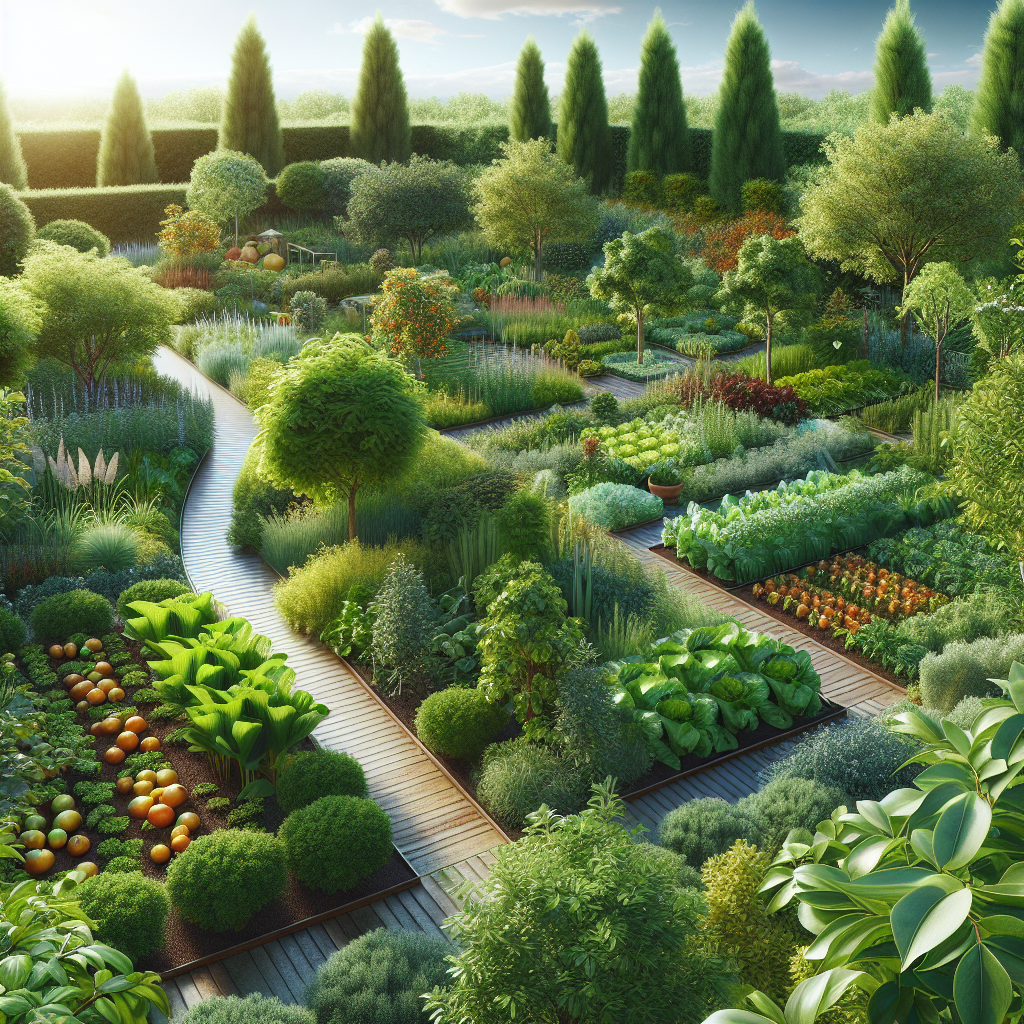
Edible garden landscape architecture is an evocative blend of creativity, sustainability, and functionality. As awareness about food systems and environmental concerns grows, edible gardens are becoming increasingly popular not just in private backyards but also in public spaces, schools, and community centers. This article delves into the fundamentals, benefits, design principles, and practical tips of edible garden landscape architecture, making the case for why these living landscapes resonate deeply with both individuals and community life.
Understanding Edible Garden Landscape Architecture
What is Edible Garden Landscape Architecture?
Edible garden landscape architecture is the design and arrangement of outdoor spaces that integrate food-producing plants with aesthetic landscaping principles. Unlike traditional landscaping that primarily focuses on ornamental plants, edible gardens are functional spaces that prioritize biodiversity, sustainability, and community well-being. They encompass a variety of elements, from vegetable patches and fruit trees to herb spirals and pollinator gardens.
Why Is This Important?
The significance of edible garden landscape architecture extends beyond personal sustenance. Urbanization and climate change have put immense pressure on our food systems, leading to the necessity for local food production. By integrating food gardens into our landscapes, we not only promote self-sufficiency but also enhance biodiversity, improve mental health, and educate communities about sustainable practices.
The Benefits of Edible Gardens
1. Nutritional Benefits
One of the most direct advantages of edible gardens is improved access to fresh, nutrient-rich produce. Growing your food allows you to control the use of pesticides and fertilizers, promoting healthier eating habits.
2. Economic Advantages
Implementing an edible landscape can significantly reduce grocery bills. Home gardens are a cost-effective solution for families, especially in regions where fresh produce can be expensive or hard to find.
3. Environmental Impact
Edible gardens contribute positively to the environment. They support biodiversity by providing habitats for various species, help in carbon sequestration, and can improve soil quality through organic practices. Further, they help reduce food miles by decreasing reliance on commercial agriculture.
4. Strengthening Community Ties
Community gardens promote social interactions and strengthen neighborhood ties. They serve as spaces where people can come together, share gardening tips, and even exchange produce, fostering a sense of community.
5. Educational Opportunities
Edible gardens serve as dynamic educational platforms, teaching individuals, especially children, about the food system, biology, and ecological principles. Gardening can ignite curiosity and encourage a hands-on approach to learning.
Designing an Edible Garden Landscape
1. Assessing Your Space
What factors should I consider when designing my edible garden?
Before you begin, assess your space thoroughly. Consider the following factors:
- Space Availability: What are the dimensions and orientation of your garden space? South-facing areas tend to receive the most sunlight, while shaded areas can be more challenging for growing sun-loving plants.
- Soil Quality: Conduct a soil test to determine pH levels and nutrient content. Soil amendments might be necessary depending on the results.
- Microclimates: Identify different microclimates in your garden that can affect plant growth—some areas might be sunnier or windier than others.
2. Choosing Plants
How do I select the right plants for my edible garden?
The choice of plants will depend on various factors, including:
- Climate Zone: Understand your local climate and which plants thrive in your area.
- Personal Preferences: Consider which fruits, vegetables, and herbs you enjoy most.
- Seasonality: Opt for a mix of perennial and annual plants to ensure there’s always something growing throughout the year.
3. Design Principles
What are key design principles to follow?
A successful edible garden is visually appealing while being functional. Here are some design principles to consider:
- Functional Layout: Position taller plants on the north side of the garden so they won’t shade shorter plants. Group plants according to their water and light needs.
- Vertical Gardening: Use trellises, container gardening, or vertical planters to maximize space, especially in small urban landscapes.
- Natural Aesthetics: Incorporate pathways, seating areas, and ornamental plants to enhance visual appeal and invite people to explore.
4. Incorporating Sustainability
How can sustainability be incorporated into my edible garden design?
Sustainability is at the heart of edible garden landscape architecture. Here are techniques to consider:
- Permaculture Principles: Adopt permaculture practices that embrace natural ecosystems. Techniques such as companion planting can enhance productivity and pest resistance.
- Rainwater Harvesting: Use rain barrels to collect rainwater for watering your plants, reducing reliance on municipal water.
- Soil Health: Implement no-till gardening, cover cropping, and organic composting to enhance soil vitality without chemical involvement.
5. Maintenance and Management
What ongoing care does my edible garden need?
Gardening is an ongoing commitment. Here’s how to keep your garden productive and healthy:
- Regular Watering: During dry spells, be consistent with watering. Consider drip irrigation for efficiency.
- Pest Management: Monitor for pests regularly, and use organic methods such as neem oil or physical barriers.
- Crop Rotation: Rotate crops annually to maintain soil health and prevent disease build-up.
Edible Gardens in Various Settings
1. Home Gardens
Homeowners are increasingly integrating edible gardens into their landscapes, from backyard vegetable plots to front yard gardens that display beautiful arrays of flowering plants intermingled with herbs and vegetables.
2. Community Gardens
Community gardens have exploded in popularity in urban settings. They provide a present solution to food insecurity and give residents the chance to reclaim shared spaces through collective efforts. Often, community gardens are an integral part of local ecosystems and strengthen communal ties.
3. School Gardens
Schools across the world are recognizing the value of edible gardens. They serve as living classrooms for students, teaching them about growing food, nutrition, and ecology while promoting teamwork and responsibility.
4. Commercial Edible Landscapes
Businesses are also leveraging the trend of edible landscaping. From restaurants growing their herbs on-site to offices fostering an environment of well-being with Zen gardens that incorporate food plants, the commercial sector can significantly benefit from edible garden landscapes.
5. Public Parks and Spaces
Local governments are investing in edible landscapes in parks, integrating fruit trees and communal vegetable gardens into public spaces. These can serve as vital resources for local communities, allowing them to engage, learn, and enjoy.
Overcoming Challenges
What are common challenges people face with edible gardens, and how can they be addressed?
-
Pest Infestations: Implement an integrated pest management (IPM) approach that includes biological controls and preventive measures.
-
Soil Quality Issues: Utilize raised beds when soil conditions are poor or contaminated, allowing for control over soil quality.
-
Watering Challenges: Automate irrigation systems for consistency, or plant drought-resistant species to minimize water usage.
-
Seasonal Variability: Expand your growing seasons with cold frames or greenhouses, allowing you to extend your harvest.
The Future of Edible Gardens
As we move toward a more sustainable future, the role of edible gardens will only expand. Architects, urban planners, and communities are recognizing that green spaces infused with edible elements can redefine how we interact with our environment.
1. Urban Rewilding
Cities are moving toward “rewilding” projects that encourage integrating diverse ecosystems into urban landscaping, which includes edible landscapes.
2. Policy Initiatives
There’s an increasing number of policy initiatives aimed at supporting edible gardens, from zoning regulations that permit gardening on vacant lots to school programs promoting culinary education through gardening.
3. Technological Innovations
From hydroponic systems to automated garden monitoring, technology is enhancing gardening practices, making it easier to grow food in limited spaces.
Conclusion
Edible garden landscape architecture is a thriving movement that not only enhances personal and communal well-being but also embodies our collective responsibility toward the planet. Each garden serves as a small but significant step toward a more sustainable future. By integrating beauty, functionality, and biodiversity into our landscapes, we create living spaces that nourish both the body and the soul, celebrating the rich tapestry of our shared environment.
Ultimately, an edible garden isn’t just a collection of plants; it’s a celebration of life, community, and the earth’s abundance. Whether you’re a seasoned gardener or simply intrigued by the concept, there has never been a better time to explore the joys and benefits of edible garden landscape architecture. So gather your seeds, sketch out a plan, and embark on this rewarding journey of integrating life into your landscape!