
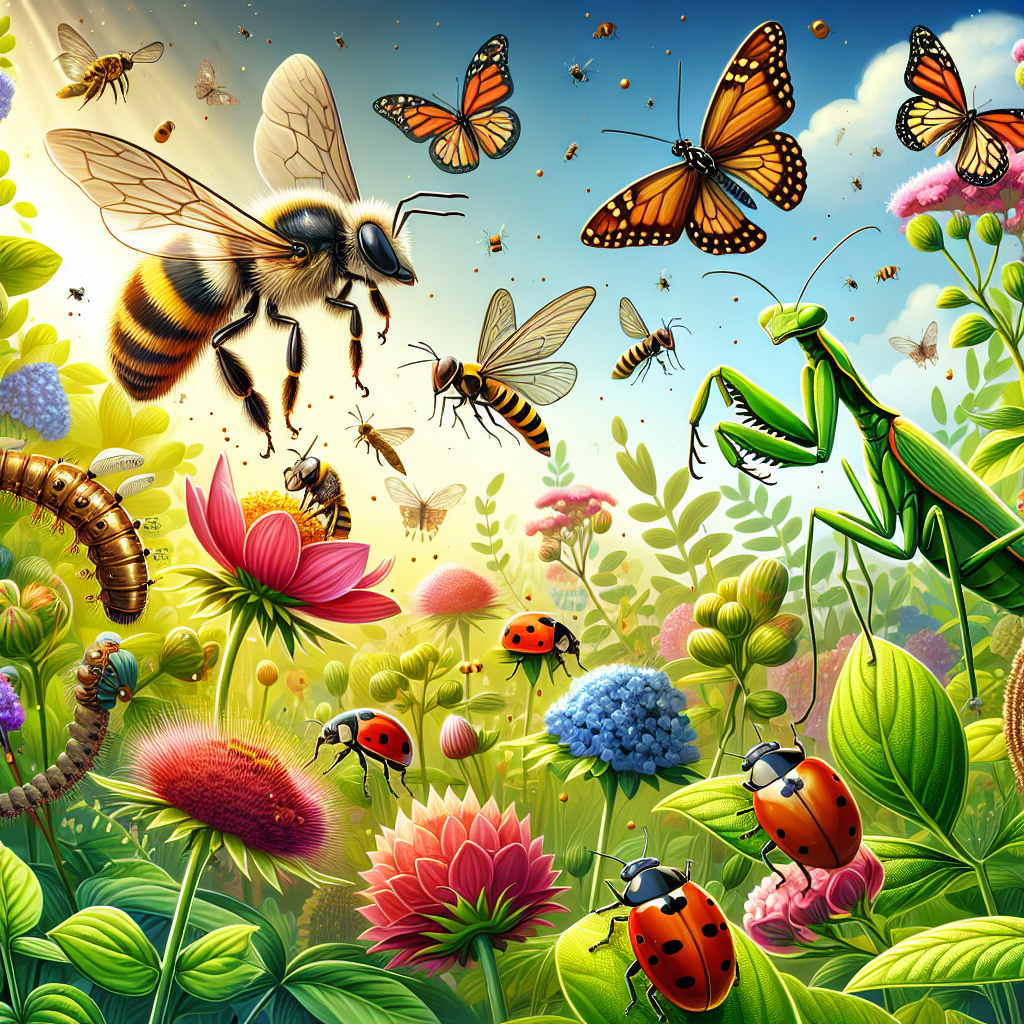
In the intricate tapestry of life that unfolds in our gardens, the roles of insects often go unnoticed. Among the many inhabitants of this small ecosystem, two groups stand out for their remarkable contributions: pollinators, such as bees, and predators, like ladybugs. Both play critical roles not only in maintaining the garden’s ecological balance but also in enhancing its beauty and productivity. Let’s explore these fascinating insects, their beneficial effects on gardening, and their interplay in controlling issues such as aphids while promoting plant growth.
The Importance of Pollination
1. What is Pollination?
Pollination is the process by which pollen from the male part of a flower (the anther) is transferred to the female part (the stigma), facilitating fertilization and subsequent fruit and seed formation. This process is vital for the reproduction of flowering plants, which make up a significant portion of our food sources.
2. Who Are the Primary Pollinators?
While many creatures contribute to pollination, bees are the most prominent. Honeybees, bumblebees, and solitary bees like mason and leafcutter bees are particularly efficient. Beyond bees, other insects like butterflies, moths, and certain beetles also play vital roles in this critical process.
3. Why Are Bees So Effective?
Bees possess specialized adaptations that enhance their pollination effectiveness. Their body structures are equipped with hairs that catch pollen, and their foraging behaviors encourage them to move from flower to flower, increasing the likelihood of successful cross-pollination.
The Role of Bees in the Garden
4. What Types of Bees Are Most Common in Gardens?
-
Honeybees (Apis mellifera): Known for their complex social structures and honey production, honeybees are essential for large-scale agriculture and home gardens alike.
-
Bumblebees (Bombus spp.): Larger than honeybees, bumblebees are excellent pollinators of both wildflowers and domestic plants. They can vibrate at frequencies that release pollen, a process called buzz pollination.
-
Solitary Bees: Unlike honeybees, solitary bee species, such as mason bees and leafcutter bees, do not live in colonies. Though small in size, they are incredibly efficient pollinators, often visiting more flowers than honeybees in a single foraging trip.
5. How Do Bees Benefit Your Garden?
-
Increased Fruit and Vegetable Yield: Gardens with healthy bee populations tend to produce more fruit and vegetables. Crops like tomatoes, peppers, and berries thrive when adequately pollinated.
-
Biodiversity Boost: By facilitating cross-pollination, bees help maintain genetic diversity within plant populations, making them more resilient to diseases and climate changes.
The Challenge of Aphids
6. What Are Aphids?
Aphids are small sap-sucking insects that feed on the phloem of a variety of plants. While they may appear harmless, they can quickly infest a garden, causing significant damage by weakening plants and transmitting diseases.
7. How Do Aphids Impact Gardens?
-
Damage to Plants: Aphids can stunt growth, deform leaves, and negatively affect flowering and fruiting. In severe cases, they can lead to plant death.
-
Honeydew Production: As they feed, aphids excrete a sugary substance called honeydew, which can promote the growth of sooty mold, blocking sunlight and further harming plant health.
The Role of Ladybugs in Aphid Control
8. Who Are Ladybugs?
Ladybugs, or ladybird beetles, belong to the family Coccinellidae and are often recognized by their colorful spots. They are not only visually appealing but also serve as natural pest controllers in gardens.
9. Why Are Ladybugs Effective Against Aphids?
-
Predatory Behavior: Adult ladybugs and their larvae are voracious consumers of aphids. A single ladybug can eat up to 50 aphids a day, while larvae can consume even more.
-
Quick Reproduction: Ladybug populations can increase rapidly during an aphid outbreak, creating a natural balance that prevents aphid populations from spiraling out of control.
10. How Do Ladybugs Help Your Garden?
-
Natural Pest Control: By keeping aphid populations in check, ladybugs reduce the need for chemical pesticides, promoting a healthier and more sustainable gardening environment.
-
Ecological Balance: The presence of ladybugs and their predatory behavior contributes to the overall health of the garden ecosystem, fostering biodiversity and resilience.
Creating a Haven for Pollinators and Predators
11. How Can Gardeners Attract and Support Bees?
-
Diverse Planting: Choose a variety of plants that bloom at different times throughout the growing season. Native flowers are particularly beneficial as they are adapted to local ecosystems.
-
Avoid Pesticides: Reducing or eliminating pesticide use will help protect beneficial insects like bees and ladybugs.
-
Provide Habitats: Include bee hotels, undisturbed ground, and brush piles in your garden to create habitats for solitary bees and other beneficial insects.
12. What Can Be Done to Encourage Ladybug Populations?
-
Plant Aphid-Resistant Varieties: While this won’t eliminate aphids, it reduces their prevalence, providing ladybugs with more stable food sources.
-
Create a Friendly Environment: Maintain a diverse ecosystem with plants that attract ladybugs, such as dill, fennel, and yarrow. These plants provide nectar for adult ladybugs and habitat for their larvae.
-
Release Ladybugs: If aphids appear in your garden, consider introducing ladybugs. Many gardening supply stores sell them, but young larvae have even higher survival rates and effectiveness.
Understanding the Interconnectedness of Insects
13. How Do Bees and Ladybugs Interact Within the Garden?
The relationship between pollinators and natural pest controllers enhances the effectiveness of gardening efforts. A healthy bee population ensures plants produce fruit, which can serve as a nutritious food source for ladybug larvae as well.
14. How Do Environmental Factors Affect Insect Populations?
-
Climate Change: Altered temperature and precipitation patterns can disrupt the natural cycles of both pollinators and pest populations.
-
Habitat Loss: Urban development and agricultural expansion can lead to habitat fragmentation, reducing populations of beneficial insects.
-
Monoculture Practices: Planting large swaths of a single crop can deplete local biodiversity, limiting the food sources available for bees and ladybugs.
Promoting Awareness about Insect Benefits
15. What Can Gardeners Do to Raise Awareness?
Educating neighbors and communities about the benefits of insect diversity in gardens can promote more sustainable practices. Holding workshops or sharing resources online helps bridge the knowledge gap surrounding beneficial insects.
16. How Can Schools Incorporate Insects into Educational Programs?
Incorporating insect study into school curricula encourages students to appreciate the roles insects play in ecosystems. Classroom gardens and projects that encourage outdoor exploration lead to a deeper understanding of the garden ecosystem.
Conclusion
While the modern garden often focuses on aesthetics, it is crucial to recognize that its health is intricately tied to the presence of beneficial insects like bees and ladybugs. These remarkable organisms contribute not just to pollination and pest control but to the overall resilience of our gardens. As gardeners, we hold the responsibility of fostering an environment that supports these indispensable allies. By understanding their roles and implementing practices that encourage their populations, we can create flourishing, biodiverse gardens that provide nourishment both visually and ecologically.
In this dance of life among flowers, bees, and ladybugs, we find a profound connection to the natural world around us—a reminder of the delicate balance that sustains our gardens and our planet. So, as you plan your next gardening project, consider the role these amazing insects play and invite them into your green spaces—after all, they are the unsung heroes that help our gardens thrive.